
Uber pivots to lobbying for robotaxi legislation after self-driving setback
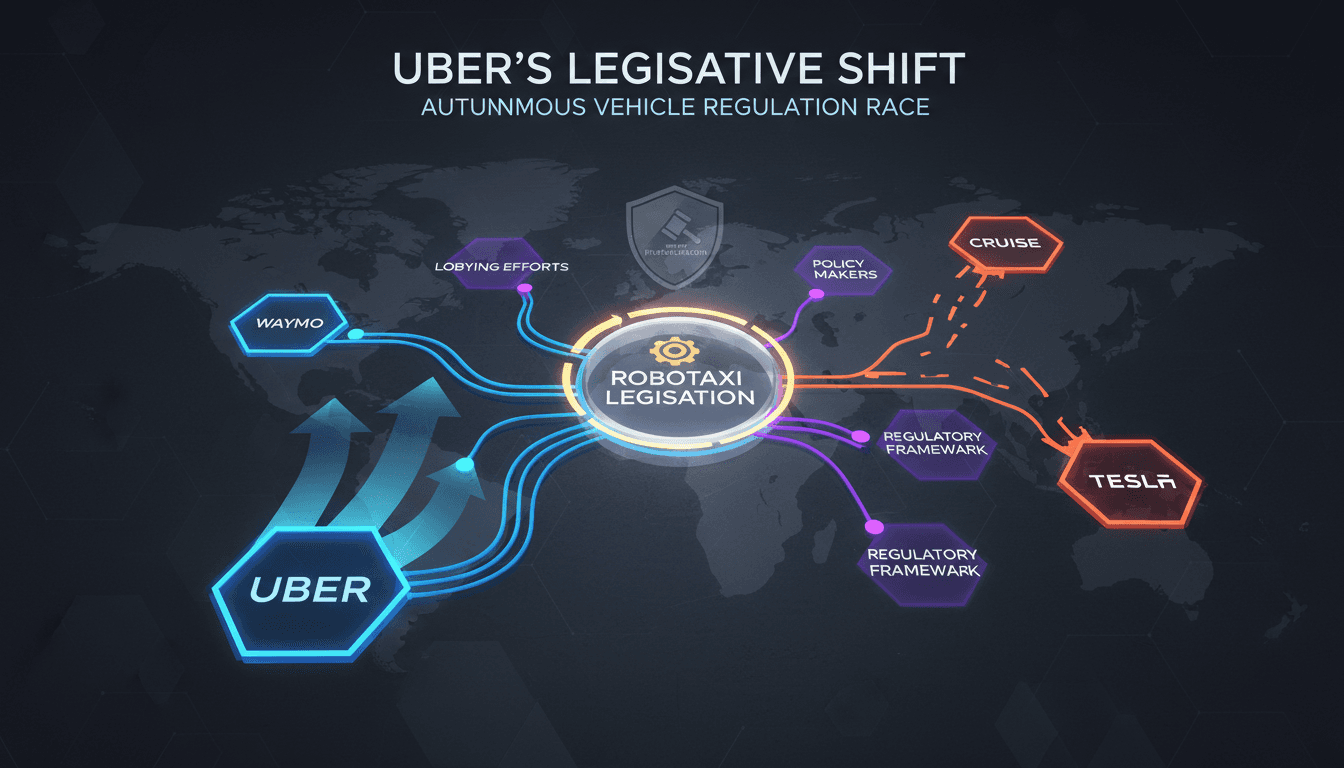
Here's what it means for you.
Uber's strategic shift towards lobbying for robotaxi legislation signals a significant change in the competitive landscape of the ride-hailing industry. By advocating for laws that would require the integration of robotaxis into its app, Uber aims to regain influence after falling behind in the self-driving technology race. This move could reshape regulatory frameworks and impact how autonomous vehicles are deployed in the market. As Uber positions itself against competitors like Waymo, the outcome of these lobbying efforts will be crucial for the future of autonomous vehicle regulations. Stakeholders in the transportation sector should closely monitor these developments, as they may redefine consumer options and industry dynamics.
What happened
Uber is actively lobbying for legislation that would mandate the integration of robotaxis into its app. This strategic pivot comes after the company has lost ground in the race to develop self-driving technology. By focusing on influencing regulations, Uber seeks to create a favorable environment for its business model while addressing concerns about drivers' rights.
The company is currently lobbying in at least two U.S. states, aiming to shape the future of autonomous vehicles. This effort places Uber in direct competition with other players in the market, particularly Waymo, as both companies vie for influence in Washington, D.C.
The Context
Uber's shift in strategy reflects its recognition of the challenges it faces in the self-driving technology arena. While the company has struggled to lead in this space, it is now focusing on controlling the regulatory landscape to maintain its competitive edge. Advocating for a "phased transition" to autonomous vehicles could provide Uber with a unique advantage over its rivals.
The timing of these lobbying efforts is critical, as the regulatory environment for autonomous vehicles is still evolving. By positioning itself as a key player in shaping these regulations, Uber aims to secure its future in the ride-hailing industry while addressing the rights of drivers, which have become a focal point in discussions about autonomous technology.
Takeaway
Uber's lobbying efforts could significantly impact the future of autonomous vehicle regulations and the ride-hailing industry. As the company continues to push for favorable laws, stakeholders should monitor legislative developments in the states where Uber is active. The responses from competitors like Waymo will also be crucial, as they may influence the overall direction of autonomous vehicle policy.
The outcome of these lobbying initiatives could redefine competition in the ride-hailing market and alter consumer choices regarding transportation options. As the landscape evolves, the implications for both drivers and passengers will be significant.
Opinionated AI coverage for general audiences.
"TNW’s AI vertical covering tools, ethics, and trends."
— A47 Editor
Uber lost the self-driving race. Now it wants to write the rules
Uber has shifted its strategy following its failure to lead in the self-driving car race, now lobbying in two U.S. states for regulations that would mandate robotaxis to be integrated into its app. This move reflects a desire to influence the regulat...
Startup news with frequent AI coverage.
"Covers launches, funding, and product updates in AI."
— A47 Editor
Uber’s robotaxi lobbying effort puts it on a collision course with Waymo
Uber's lobbying efforts in Washington, D.C. have intensified as the company positions itself against Waymo, highlighting the competitive dynamics in the autonomous vehicle sector. This confrontation comes after Uber and Waymo ended their partnership ...
Curated tech headlines including AI stories.
"Influential aggregator surfacing the day’s top tech/AI links."
— A47 Editor
Docs: Uber lobbied for a "phased transition" to AVs, giving it an edge over self-driving developers; Uber says AV industry proposals overlook drivers' rights (Aarian Marshall/Wired)
Uber has lobbied for a phased transition to autonomous vehicles (AVs), which could provide the company with a competitive advantage over other self-driving developers. This strategy reflects Uber's desire to shape the regulatory landscape in a way th...