
Tennis Players Protest Revenue Sharing at French Open
Here's what it means for you.
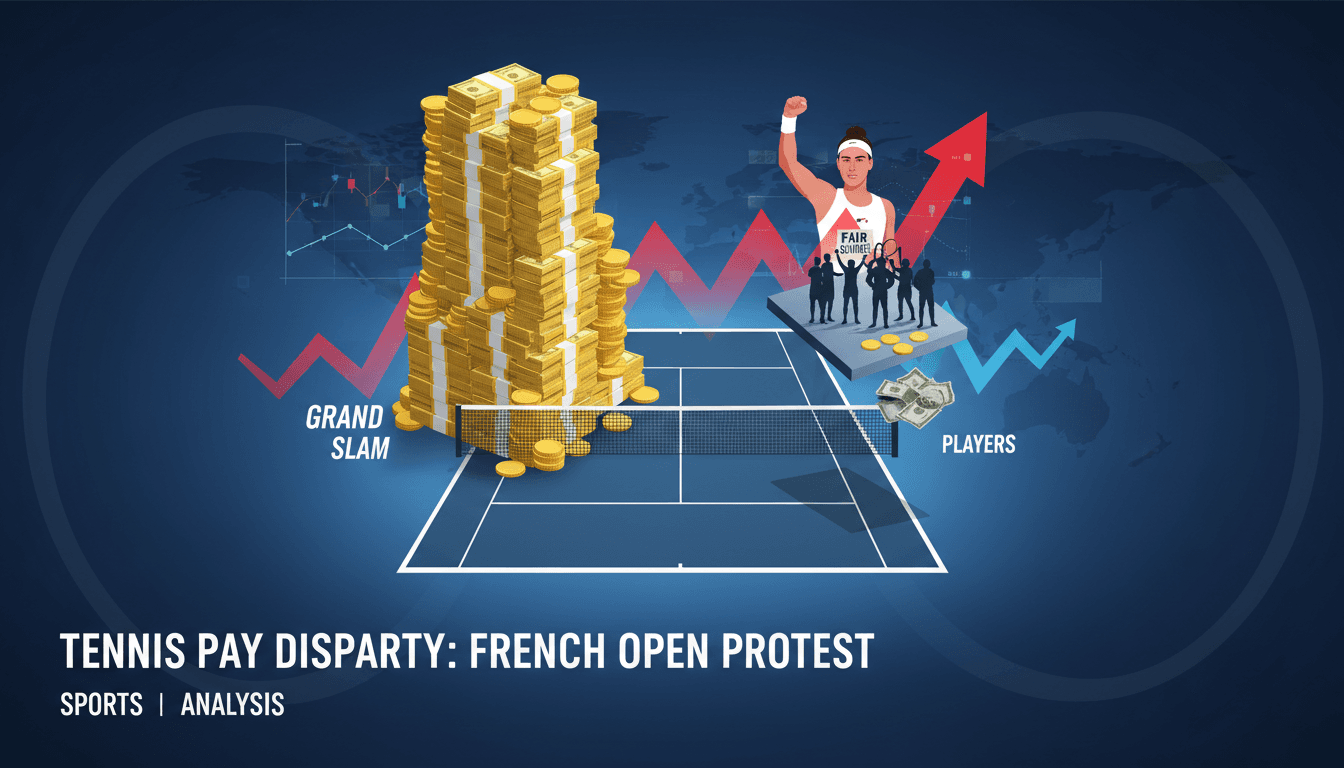
The ongoing protest by tennis players at the French Open highlights significant issues surrounding financial equity in professional sports. As top players demand better revenue sharing and welfare, the implications could reshape governance within tennis. This movement may inspire similar actions across other sports, emphasizing the need for fair compensation and support for all athletes. The outcome of this protest could set a precedent for how Grand Slam tournaments operate and interact with players. If successful, it may lead to a more equitable distribution of prize money, benefiting lower-ranked players who often struggle financially.
What happened
Tennis players, spearheaded by Aryna Sabalenka, have staged a protest at the French Open, calling for improved financial support from Grand Slam tournaments. The protest escalated as players boycotted media commitments in solidarity, showcasing their unified stance on the issue. Notably, Novak Djokovic chose not to participate in the media boycott, indicating differing opinions among players regarding the protest's approach.
Despite the players' grievances, the French Open has rejected calls for changes to prize money, which has further fueled tensions. The situation underscores the growing dissatisfaction among athletes regarding financial disparities in the sport.
The Context
The protest primarily aims to enhance the welfare of lower-ranked players who often face financial hardships. With Aryna Sabalenka currently ranked as the world's No. 1 player and Coco Gauff, ranked No. 4, voicing their concerns, the movement has gained significant traction. The timing of the protest coincides with the players' dissatisfaction over prize money, which has remained stagnant despite rising operational costs.
As the Grand Slam tournaments continue to resist changes, the potential for a boycott looms large, indicating a critical moment for player relations and governance in professional tennis. The situation reflects broader issues of financial disparity that have long plagued the sport.
Takeaway
The ongoing tensions at the French Open may lead to significant changes in how revenue is shared within professional tennis. As players continue to advocate for their rights, the Grand Slam organizers will need to respond to avoid further unrest. Future developments could include more organized player solidarity and potential boycotts at upcoming tournaments.
The outcome of this protest will likely influence the landscape of professional tennis governance and player welfare. Observers should watch for the Grand Slam's responses to player demands and any shifts in the dynamics of player-organizer relations.
Covers global sporting events, athlete news, and cultural perspectives on sports.
"The Guardian is known for progressive editorial analysis, often exploring social and cultural dimensions of sports."
— A47 Editor
‘As world No 1, I have to stand up and fight’: Sabalenka leads players in grand slam protest
Aryna Sabalenka, the world No. 1 tennis player, led a protest at the French Open, advocating for increased financial contributions from Grand Slam tournaments to support lower-ranked players. This protest comes amid ongoing disputes regarding prize m...
Top international stories selected by The Guardian editors.
"The Guardian is known for its progressive editorial stance and in-depth analysis."
— A47 Editor
‘As world No 1, I have to stand up and fight’: Sabalenka leads players in grand slam protest
Aryna Sabalenka, the world No. 1 tennis player, led a protest at the French Open, advocating for increased financial contributions from Grand Slam tournaments to support lower-ranked players. This protest comes amid ongoing disputes regarding prize m...
International sporting events, tournament updates, and athlete profiles.
"France 24 is viewed as a globally focused outlet with balanced coverage, offering a European perspective on international sports."
— A47 Editor
French Open tennis stars turn up the heat on Grand Slams over revenue row
Tensions escalated at the French Open as Novak Djokovic highlighted the risk of deeper divisions in tennis over demands for fairer revenue sharing and increased player influence. Several players, including Aryna Sabalenka, showed solidarity by skippi...
24/7 international news from a French perspective in multiple languages.
"France 24 is viewed as a globally focused outlet with balanced coverage and a European perspective."
— A47 Editor
French Open tennis stars turn up the heat on Grand Slams over revenue row
Tensions escalated at the French Open as Novak Djokovic highlighted the risk of deeper divisions in tennis over demands for fairer revenue sharing and increased player influence. Several players, including Aryna Sabalenka, showed solidarity by skippi...
Global news coverage with extensive reporting on Middle Eastern conflicts and geopolitics.
"Al Jazeera is a Qatar-based broadcaster known for wide regional coverage and alternative perspectives."
— A47 Editor
French Open rejects prize money change despite tennis stars’ boycott threat
The French Open has decided not to change its prize money structure despite threats of a boycott from top players, including Aryna Sabalenka and Coco Gauff, who have voiced concerns over reduced pay. This decision comes amidst growing dissatisfaction...
Comprehensive coverage of Middle Eastern and global issues.
"Al Jazeera is a prominent voice from the Global South, especially the Middle East, with an emphasis on underreported stories."
— A47 Editor
French Open rejects prize money change despite tennis stars’ boycott threat
The French Open has decided not to change its prize money structure despite threats of a boycott from top players, including Aryna Sabalenka and Coco Gauff, who have voiced concerns over reduced pay. This decision comes amidst growing dissatisfaction...