
Tripartite agreement reached to curb Hezbollah's influence in Lebanon
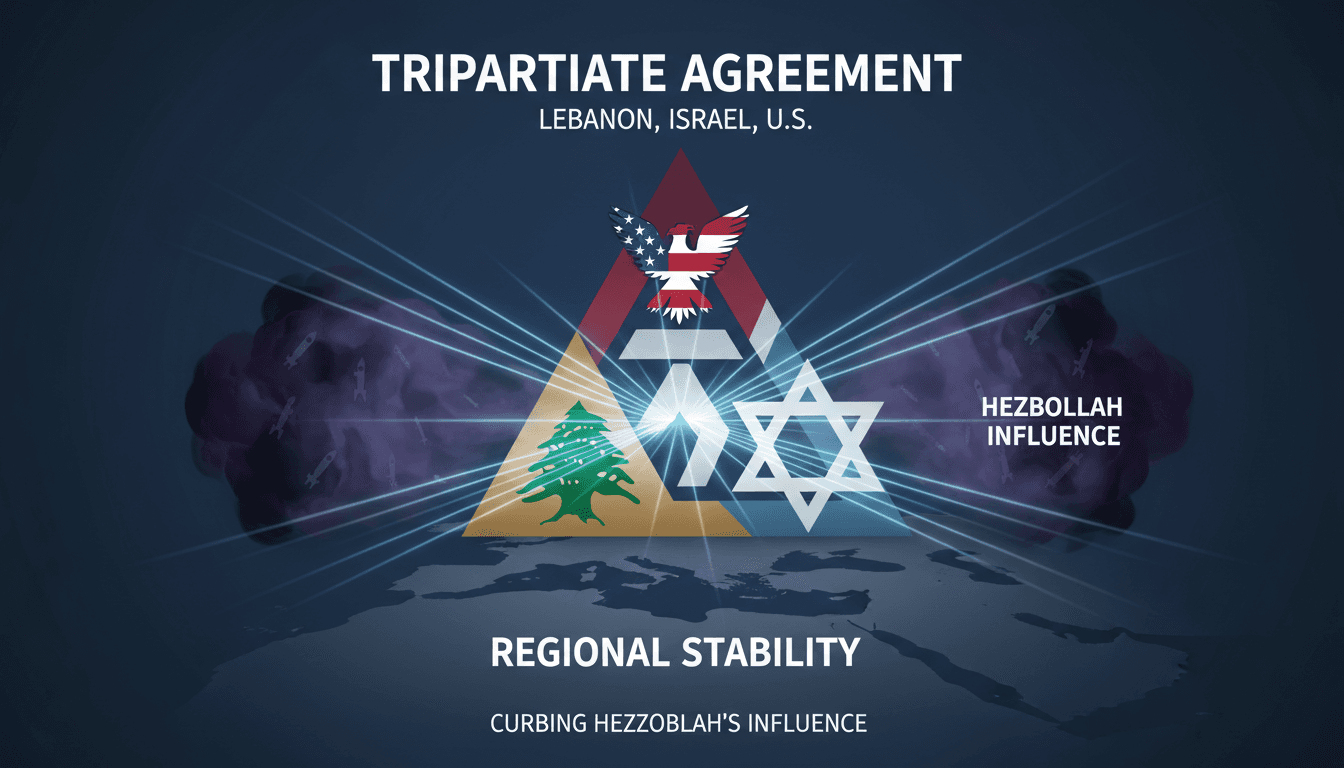
Here's what it means for you.
The recent tripartite agreement between Lebanon, Israel, and the U.S. signals a significant shift in regional dynamics, particularly concerning Hezbollah's military presence. This development could reshape Lebanon's political landscape and influence international relations in the Middle East. Stakeholders in the region will need to closely monitor the implications of this agreement, especially regarding security and governance in Lebanon. The agreement's success hinges on the cooperation of all parties involved and the Lebanese government's ability to assert control over its territory. The potential for internal conflict remains high, particularly with Hezbollah's strong opposition to the terms outlined.
What happened
A tripartite agreement has been established between Lebanon, Israel, and the U.S. to implement a ceasefire and reduce Hezbollah's military presence. This agreement includes a complete ceasefire and the withdrawal of Hezbollah from southern Lebanon, aiming to dismantle the group's military capabilities. The U.S. has committed to providing military and financial support to the Lebanese army as part of this initiative.
The agreement was publicly announced on June 4, 2026, following negotiations that took place on June 2-3. Hezbollah has publicly rejected the agreement, indicating potential for further conflict and highlighting the internal tensions within Lebanon's political landscape.
The Context
Lebanon is navigating a complex geopolitical landscape, with Iran attempting to leverage its influence in negotiations with the U.S. The tripartite agreement aims to establish a stronger Lebanese state while curbing Hezbollah's military capabilities. The involvement of three key parties—Lebanon, Israel, and the United States—marks a significant shift in regional dynamics.
Hezbollah's rejection of the agreement underscores the challenges facing Lebanon's political stability. The internal opposition from Hezbollah poses significant hurdles to the successful implementation of the agreement and the future stability of Lebanon.
Takeaway
The future stability of Lebanon hinges on the successful implementation of this agreement and Hezbollah's response to it. Observers should monitor Hezbollah's internal response and potential military actions in the coming weeks. Additionally, upcoming political and security discussions scheduled for June 22 will be crucial in determining the trajectory of this agreement.
As Lebanon navigates this new political landscape, the effectiveness of the agreement will depend on the cooperation of all parties involved and the ability of the Lebanese government to assert control amidst external pressures.
Pan-Arab news coverage spanning politics, business, sports, and regional affairs.
"Asharq Al-Awsat reflects a broad Arab editorial perspective with strong attention to regional geopolitics."
— A47 Editor
لبنان يتصدّى لتوظيفه إيرانياً في المفاوضات
Lebanon has responded to what it perceives as Iranian attempts to leverage its position in negotiations with the United States, particularly following Tehran's rejection of certain proposals. Speaker Nabih Berri suggested a mutual withdrawal between ...
Arabic-language coverage of political affairs and current events.
"Okaz political coverage typically follows mainstream Saudi framing on national and regional affairs."
— A47 Editor
لبنان بعد غزة.. هل يتكرر الطلاق الإستراتيجي الإيراني؟
Tehran is currently managing its regional policy amid a stark contrast of military silence and diplomatic noise, particularly in response to increasing Israeli threats against Beirut. While Iranian military actions are cautious, diplomatic efforts ar...
Arabic-language coverage of political affairs and current events.
"Okaz political coverage typically follows mainstream Saudi framing on national and regional affairs."
— A47 Editor
اتفاق ثلاثي يرسم ملامح «لبنان جديد» دون سلاح حزب الله
The U.S. State Department announced a surprising tripartite agreement between Lebanon, Israel, and the United States to cease hostilities, following extensive negotiations on June 2 and 3. This agreement not only aims for military de-escalation but a...