
U.S. and Iran suspend negotiations amid escalating military exchanges
Here's what it means for you.
The suspension of negotiations between the U.S. and Iran signals a troubling escalation in military tensions that could have significant implications for global markets and regional stability. As both nations engage in military exchanges, the potential for further conflict raises concerns about the security of vital shipping routes, particularly in the Strait of Hormuz. Stakeholders in energy markets should remain vigilant, as disruptions in this region could lead to fluctuations in oil prices. The current trajectory suggests that without effective diplomatic intervention, the situation may deteriorate further, complicating future negotiations and increasing the risk of broader conflict. Policymakers and analysts will need to monitor developments closely to assess the potential impacts on international relations and economic stability.
What happened
Negotiations between the U.S. and Iran were suspended following a series of military exchanges that heightened tensions between the two nations. Iran's refusal to attend scheduled talks in Switzerland is directly linked to recent hostilities, including U.S. strikes on Iranian positions. The U.S. targeted four Iranian sites in a military operation, marking a significant escalation in the ongoing conflict.
In retaliation, Iran has conducted attacks against U.S.-linked sites, further complicating the diplomatic landscape. The exchanges of strikes have raised alarms about maritime security in the Strait of Hormuz, a critical shipping route for global oil supplies.
The Context
The backdrop to this escalation includes a series of military actions that have intensified hostilities between the U.S. and Iran. Iran's absence from the negotiations reflects its dissatisfaction with the current state of affairs and unmet conditions. The U.S. has accused Iran of violating agreements, while Iran points to U.S. military actions as provocations.
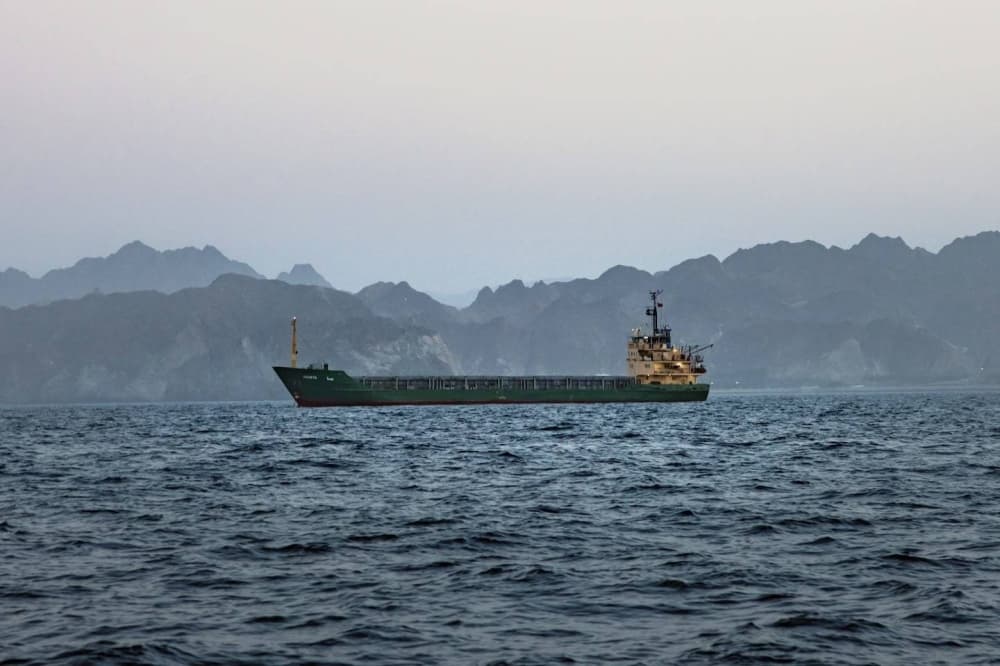
The situation is particularly precarious in the Strait of Hormuz, where a recent report indicated damage to a tanker amid the conflict. As military actions continue, the potential for further escalation looms large, impacting not only regional stability but also global economic interests.
Takeaway
The ongoing military exchanges between the U.S. and Iran suggest a shift towards a more aggressive stance from both sides, complicating future diplomatic efforts. Observers should monitor for any further military actions from both nations, as well as potential diplomatic initiatives from international mediators. The current trajectory indicates that without significant intervention, the conflict may escalate, with serious implications for regional and global stability.
As tensions rise, stakeholders in energy markets and international relations will need to stay informed about developments that could affect both security and economic conditions in the region.
Arabic-language coverage of political affairs and current events.
"Okaz political coverage typically follows mainstream Saudi framing on national and regional affairs."
— A47 Editor
بعد التصعيد.. إيران ترفض المشاركة في محادثات سويسرا الفنية
Iran has declined to participate in the scheduled technical talks in Switzerland, citing recent attacks and unmet conditions as reasons for its absence. Reports indicate that plans for resuming discussions between the U.S. and Iran have stalled amid ...
Arabic-language coverage of international news and geopolitics.
"RT Arabic is a Russian state-funded outlet often criticized for promoting Kremlin-aligned narratives."
— A47 Editor
"وول ستريت جورنال": تعليق المفاوضات بين واشنطن وطهران بعد تبادل الضربات
The Wall Street Journal reported that negotiations between the United States and Iran, which were scheduled to resume in Switzerland during the ongoing weekend, have been suspended following a series of exchanges of strikes. This development marks a ...
Coverage of political affairs and regional developments from a Saudi perspective.
"Al Watan political coverage typically follows a mainstream Saudi framing of regional and national issues."
— A47 Editor
البحرين تدين هجوما إيرانيا ومذكرة التفاهم تحت ضغط التصعيد
Bahrain condemned an Iranian attack following a missile strike on a tanker in the Strait of Hormuz, marking a significant escalation in tensions between the United States and Iran. This incident occurred after both nations exchanged accusations of vi...