
U.S. military strikes against Iran trigger surge in oil prices
Here's what it means for you.
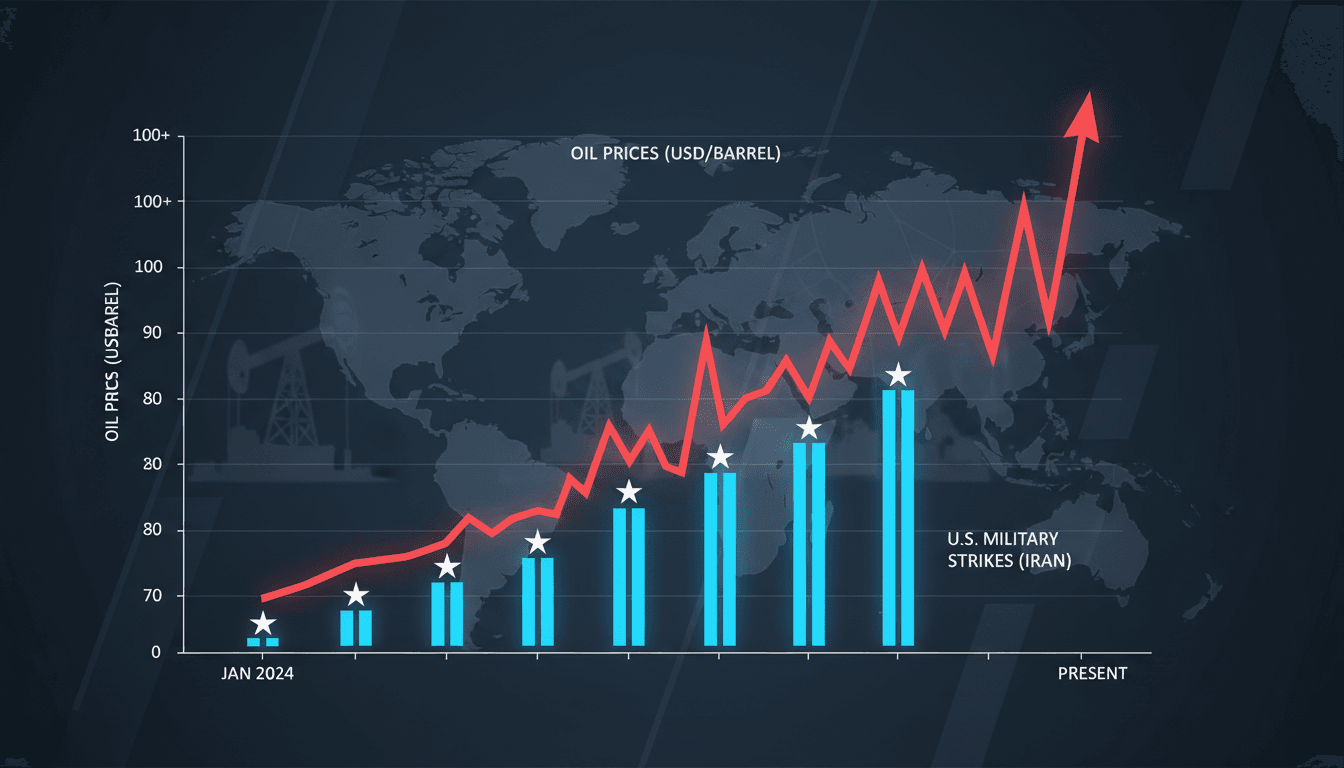
The recent U.S. military strikes against Iran have led to a notable increase in oil prices, raising concerns about potential disruptions in supply. This escalation in geopolitical tensions could have far-reaching implications for inflation rates and financial markets globally. Investors should remain vigilant as these developments may lead to increased volatility, particularly in the Asia-Pacific region where government bonds are already feeling the pressure. As oil prices rise, the economic landscape may shift, impacting consumer spending and overall economic stability. Stakeholders across various sectors must prepare for potential fluctuations in costs and market dynamics.
What happened
The U.S. launched military strikes against Iran on July 9, 2026, which resulted in a significant rise in oil prices. This military action is part of ongoing tensions between the two nations, which have been escalating for some time. The immediate aftermath of the strikes has sparked fears of potential disruptions in oil supply, further complicating the global energy market.
As a direct consequence of these strikes, oil prices began to climb, reflecting the market's reaction to heightened geopolitical risks. The situation has prompted concerns about inflationary pressures that could ripple through the global economy.
The Context
The military strikes are a continuation of the fraught relationship between the U.S. and Iran, characterized by a series of confrontations and diplomatic failures. Rising oil prices are contributing to inflationary pressures worldwide, which could have significant implications for economic growth. In the Asia-Pacific region, government bonds are experiencing declines in value as investors react to these economic concerns.
This escalation in tensions comes at a time when the global economy is already grappling with various challenges, making the situation particularly precarious. The potential for further military actions or retaliatory measures from Iran adds another layer of uncertainty to the oil market and broader financial landscape.
Takeaway
As geopolitical tensions persist, the oil market may face further fluctuations that could impact global economic stability. Investors should monitor any additional U.S. military actions in the Middle East, as well as economic indicators related to inflation and oil supply. The situation remains fluid, and the potential for increased volatility in oil prices and financial markets is high.
In the coming weeks, stakeholders will need to stay informed about developments in this area to navigate the potential economic ramifications effectively. The interplay between military actions and market responses will be crucial to watch.
Oil, metals, and agriculture: supply/demand headlines, OPEC chatter, inventories, and price action.
"Solid tape for energy and metals traders tracking macro and micro catalysts."
— A47 Editor
Oil rises after US launches fresh strikes against Iran
Oil prices have risen significantly following the United States' recent military strikes against Iran, which were initiated in response to missile attacks by Iranian forces on commercial vessels in the Strait of Hormuz. This escalation marks a notabl...
Oil, metals, and agriculture: supply/demand headlines, OPEC chatter, inventories, and price action.
"Solid tape for energy and metals traders tracking macro and micro catalysts."
— A47 Editor
Oil prices extend gains as fresh U.S. strikes on Iran revive supply concerns
Oil prices have extended their gains following fresh military strikes by the United States against Iran, which were initiated in response to missile attacks by Iranian forces on commercial vessels in the Strait of Hormuz. This escalation has raised c...
Markets desk coverage, trading insights, and investor updates.
"WSJ’s markets reporting provides in-depth analysis and context for investors."
— A47 Editor
Oil Prices Rise After Fresh U.S. Attacks in the Middle East
Oil prices have surged following recent military strikes by the U.S. against Iranian targets, a response to escalating tensions in the Strait of Hormuz where Iranian attacks on commercial vessels have raised concerns. This development has led to a de...