
U.S. and Iran negotiate temporary sanctions waiver amid nuclear inspection disputes
Here's what it means for you.
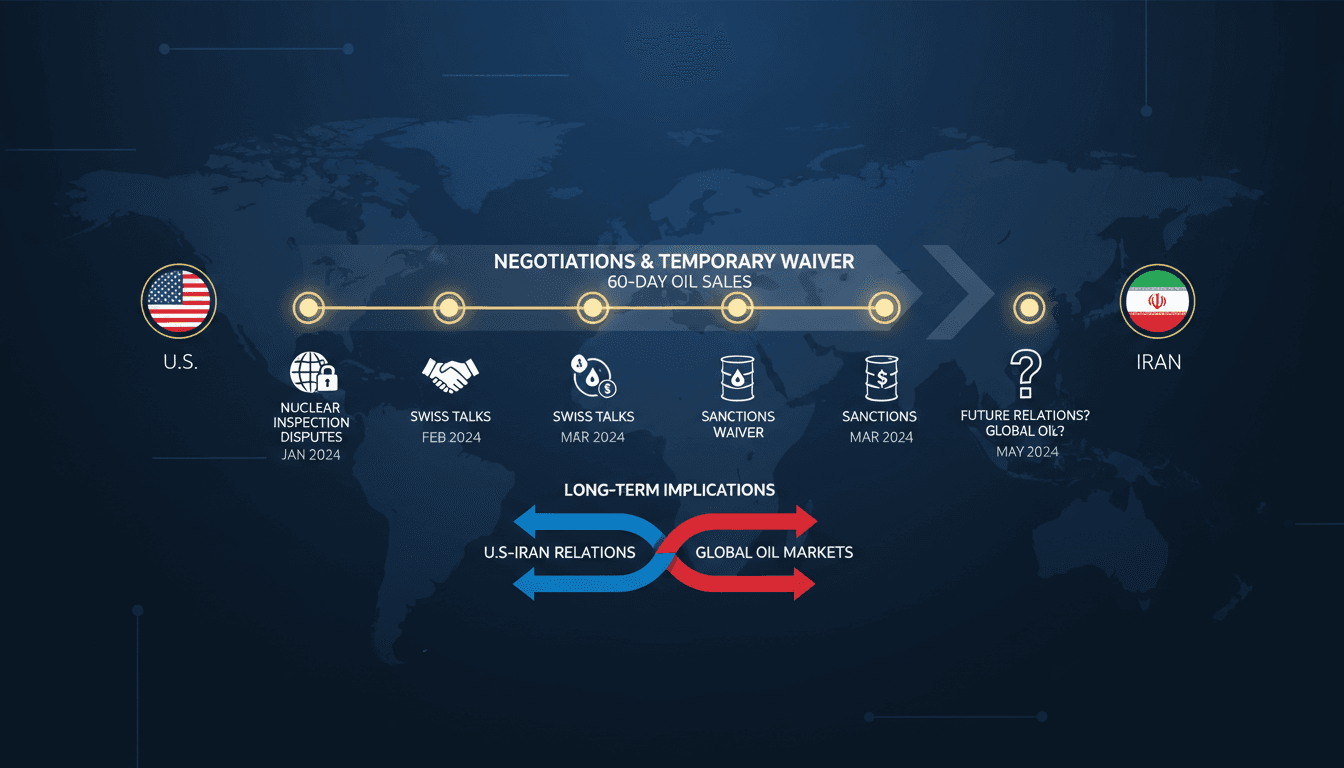
The recent negotiations between the U.S. and Iran signal a pivotal moment in international relations, particularly concerning energy markets. The temporary sanctions waiver allows Iran to resume oil sales, which could influence global oil prices and supply chains. However, the ongoing disputes over nuclear inspections complicate the path toward a lasting peace agreement, raising questions about future stability in the region. As these discussions unfold, stakeholders in the energy sector and policymakers will need to monitor developments closely. The outcome could reshape U.S.-Iran relations and have broader implications for Middle Eastern geopolitics.
What happened
The U.S. and Iran recently held negotiations in Switzerland, culminating in a temporary sanctions waiver that permits Iranian oil sales for a duration of 60 days. This waiver represents a significant shift in U.S. policy, aimed at facilitating a broader peace deal in the region. Despite this progress, Iran has denied any commitments regarding nuclear inspections, contradicting statements made by U.S. officials.
The negotiations took place on June 22, 2026, and were marked by discussions on sanctions relief and nuclear oversight. Following these talks, the U.S. Treasury issued the waiver, aligning it with the timeline for reaching a final peace agreement.
The Context
The easing of sanctions allows Iran to sell oil, a critical economic lifeline for the country, while also reflecting a broader strategy to stabilize the Middle East. However, Iran's rejection of claims regarding nuclear inspections adds complexity to the negotiations, as it raises concerns about the country's nuclear ambitions. The U.S. is navigating internal and external pressures as it seeks to balance sanctions relief with security concerns.
This diplomatic engagement comes at a time when the geopolitical landscape is shifting, and the implications of these negotiations could resonate beyond U.S.-Iran relations. The outcome may influence global oil markets and set the stage for future diplomatic efforts in the region.
Takeaway
As the negotiations progress, the potential for a comprehensive peace deal remains uncertain, particularly given Iran's firm stance on nuclear inspections. Observers should watch for further developments regarding the status of these inspections and reactions from international stakeholders. The next steps in this dialogue will be crucial in determining the future of U.S.-Iran relations and the broader implications for global energy markets.
The situation is fluid, and the interplay between sanctions relief and nuclear oversight will be pivotal in shaping the trajectory of these negotiations.
English-language reporting on Saudi politics, policy, and society.
"Saudi Gazette reflects mainstream Saudi institutional perspectives."
— A47 Editor
Iran denies Vance claim, says no new commitments on nuclear inpections
Iran has denied claims made by US Vice President JD Vance regarding new commitments for UN nuclear inspectors to access its facilities, particularly those damaged during last year's conflict with Israel and the United States. The Iranian foreign mini...
Global business headlines with AI angles.
"General business outlet that frequently covers AI."
— A47 Editor
Iran Rejects Agreeing To Inspection Of UN Watchdog To Nuclear Sites, Contradicting JD Vance
Iran has firmly rejected the idea of allowing inspections by the United Nations watchdog at its nuclear sites, contradicting claims made by U.S. Vice President JD Vance, who suggested that progress was being made towards an agreement. This rejection ...
Focused political reporting and governmental affairs.
"NBC News is a mainstream media outlet known for comprehensive national and international news coverage with a centrist to slightly left-leaning editorial tone."
— A47 Editor
Trump Defends Iran Concessions as Vance Touts Negotiations
Vice President JD Vance has defended the Trump administration's recent concessions to Iran, highlighting the initial success of negotiations aimed at establishing a lasting peace deal. This comes amid a 60-day waiver allowing Iran to sell oil freely,...
Capitol Hill news, legislation, and policy insight.
"The Hill specializes in U.S. politics and policy, with a focus on Capitol Hill developments and a reputation for insider reporting."
— A47 Editor
Iran-US peace deal faces various threats, from Lebanon, Israel and Trump
U.S. President Donald Trump and Vice President JD Vance are navigating significant challenges in negotiations with Iran, despite initial positive reports from talks held in Switzerland. Vance indicated that a solid foundation was established during t...
Coverage of current events and conflicts in the Middle East.
"France 24 is viewed as a globally focused outlet with balanced coverage and a European perspective."
— A47 Editor
US, Iran agree on Lebanon ceasefire and lifting sanctions on Iranian oil, but much remains
Recent negotiations in Switzerland between the US and Iran have resulted in an agreement to establish a ceasefire in Lebanon and lift sanctions on Iranian oil, marking a significant step towards resolving ongoing conflicts in the Middle East. US Vice...
European coverage of Middle East politics and security issues.
"France 24 offers international reporting with a European editorial perspective."
— A47 Editor
US, Iran agree on Lebanon ceasefire and lifting sanctions on Iranian oil, but much remains
Recent negotiations in Switzerland between the US and Iran have resulted in an agreement to establish a ceasefire in Lebanon and lift sanctions on Iranian oil, marking a significant step towards resolving ongoing conflicts in the Middle East. US Vice...
English-language reporting on Saudi politics, policy, and society.
"Saudi Gazette reflects mainstream Saudi institutional perspectives."
— A47 Editor
US eases sanctions to allow Iranian oil sales amid peace talks
The United States has eased sanctions on Iranian oil sales, allowing Tehran to sell oil, including to U.S. buyers, for a period of 60 days. This decision follows Vice President JD Vance's announcement that Iran has agreed to permit the return of nucl...