
JD Vance's Defense of U.S.-Iran MOU Sparks GOP Division on Foreign Policy
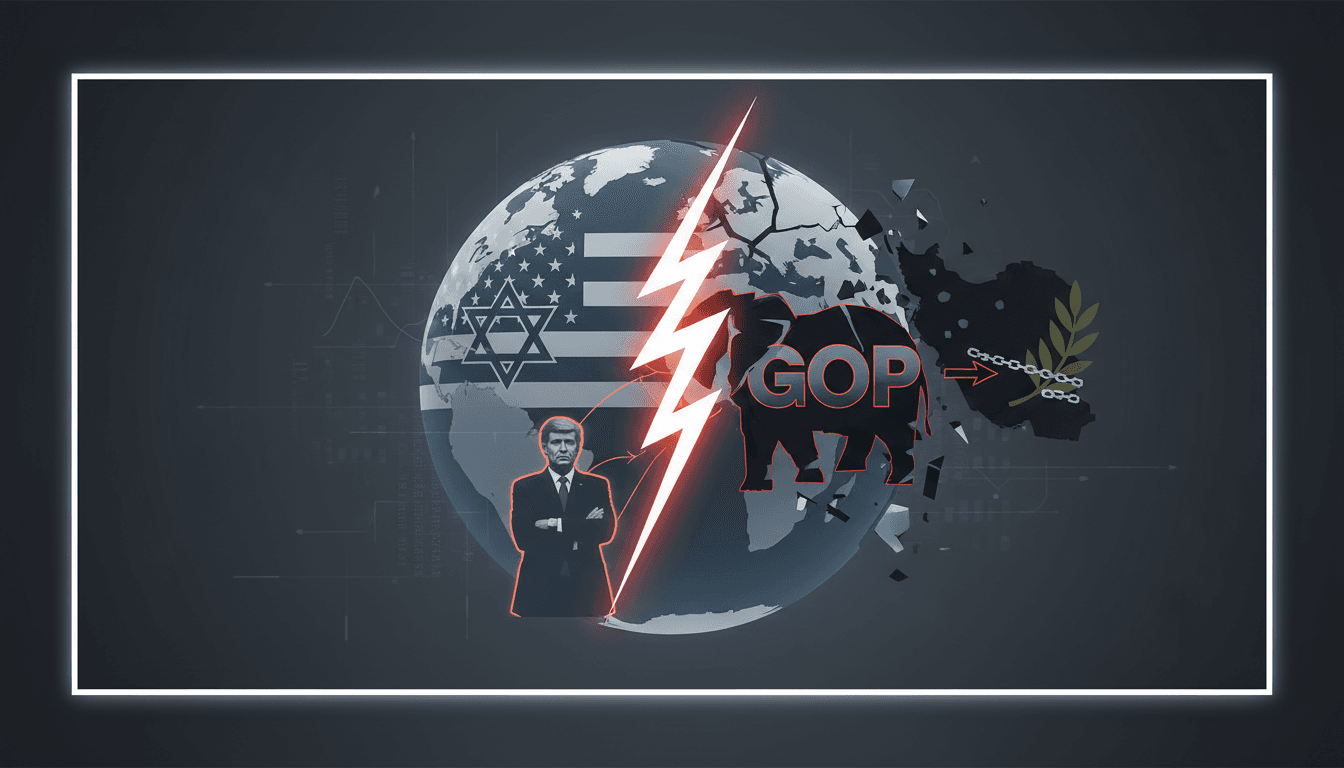
Here's what it means for you.
Vice President JD Vance's defense of the U.S.-Iran memorandum of understanding (MOU) signals a potential shift in Republican foreign policy, particularly regarding relations with Israel. This division among GOP members could reshape the party's approach to international diplomacy, especially in the context of Iran. As discussions evolve, stakeholders will need to navigate the implications of this split on future negotiations and alliances.
What happened
Vice President JD Vance recently defended the U.S.-Iran memorandum of understanding, which establishes a 60-day window for peace talks. His comments included a rebuke of Israeli officials who criticized the deal, highlighting a growing division within the Republican Party. This defense of the fragile agreement indicates a significant shift in the traditionally uncritical U.S.-Israeli relationship.
The fallout from Vance's remarks has led to notable splits among Republicans on Capitol Hill. As the administration grapples with internal divisions regarding trust in Tehran and the nuclear deal, Vance's stance may further complicate the GOP's foreign policy narrative.
The Context
The memorandum of understanding aims to facilitate peace talks between the U.S. and Iran, a move that has sparked debate among Republicans about the future of U.S.-Israeli relations. Vance's comments reflect a broader discussion within the party regarding foreign policy and the implications of engaging with Iran. The timing of this division is critical, as it coincides with ongoing negotiations and the fragile nature of the MOU.
As the GOP navigates these internal divisions, the implications for U.S. foreign policy could be profound. The traditional alignment with Israel may be challenged, prompting a reevaluation of diplomatic strategies and alliances in the region.
Takeaway
Looking ahead, it will be essential to monitor how GOP leaders respond to Vance's defense of the Iran deal and its impact on party unity. The evolving dynamics of U.S.-Israeli relations may lead to more critical discussions about foreign policy within the GOP. Additionally, developments in U.S.-Iran negotiations will be crucial in assessing regional stability and the future of international diplomacy.
As these discussions unfold, the potential for reshaping U.S. foreign policy regarding Iran and Israel remains significant, with implications that could resonate throughout the political landscape.
Capitol Hill news, legislation, and policy insight.
"The Hill specializes in U.S. politics and policy, with a focus on Capitol Hill developments and a reputation for insider reporting."
— A47 Editor
GOP divided over Vance rebuke of Israeli critics on US-Iran deal
Republicans in Congress are experiencing divisions over Vice President JD Vance's criticism of Israeli officials who have voiced concerns regarding the U.S.-Iran memorandum of understanding (MOU), which aims to initiate a 60-day period for peace nego...
Conservative-leaning coverage of current events.
"Fox News is a highly influential conservative news outlet known for right-leaning political commentary and coverage."
— A47 Editor
Vance takes lead selling Trump’s Iran gamble as Rubio, Hegseth and Ratcliffe cede spotlight on fragile deal
Vice President JD Vance is currently defending a fragile memorandum of understanding (MOU) with Iran during negotiations in Switzerland, amidst reports of internal divisions within the administration regarding Tehran's reliability in nuclear discussi...
Global news coverage with extensive reporting on Middle Eastern conflicts and geopolitics.
"Al Jazeera is a Qatar-based broadcaster known for wide regional coverage and alternative perspectives."
— A47 Editor
Vance’s warning to Israel signals a new phase in US-Israeli relations
U.S. Vice President JD Vance has issued a warning to Israel, indicating a shift in U.S.-Israeli relations, suggesting that while a complete rupture is unlikely, the traditional dynamics of cooperation will not continue as before. This statement refle...
Comprehensive coverage of Middle Eastern and global issues.
"Al Jazeera is a prominent voice from the Global South, especially the Middle East, with an emphasis on underreported stories."
— A47 Editor
Vance’s warning to Israel signals a new phase in US-Israeli relations
U.S. Vice President JD Vance has issued a warning to Israel, indicating a shift in U.S.-Israeli relations, suggesting that while a complete rupture is unlikely, the traditional dynamics of cooperation will not continue as before. This statement refle...