
MIT Develops Ultrasound Wristband for Enhanced Robot Training
Here's what it means for you.
The development of an ultrasound wristband by MIT researchers signifies a pivotal advancement in the field of robotics. This technology enhances the training of humanoid robots, allowing for more intuitive control through the tracking of hand movements. As industries increasingly rely on automation and robotic assistance, this innovation could reshape how robots interact with their environments, particularly in healthcare and rehabilitation. The implications extend beyond mere functionality; they touch on the future of human-robot collaboration. Enhanced robotic capabilities could lead to improved patient outcomes in medical settings and more efficient workflows in various sectors.
What happened
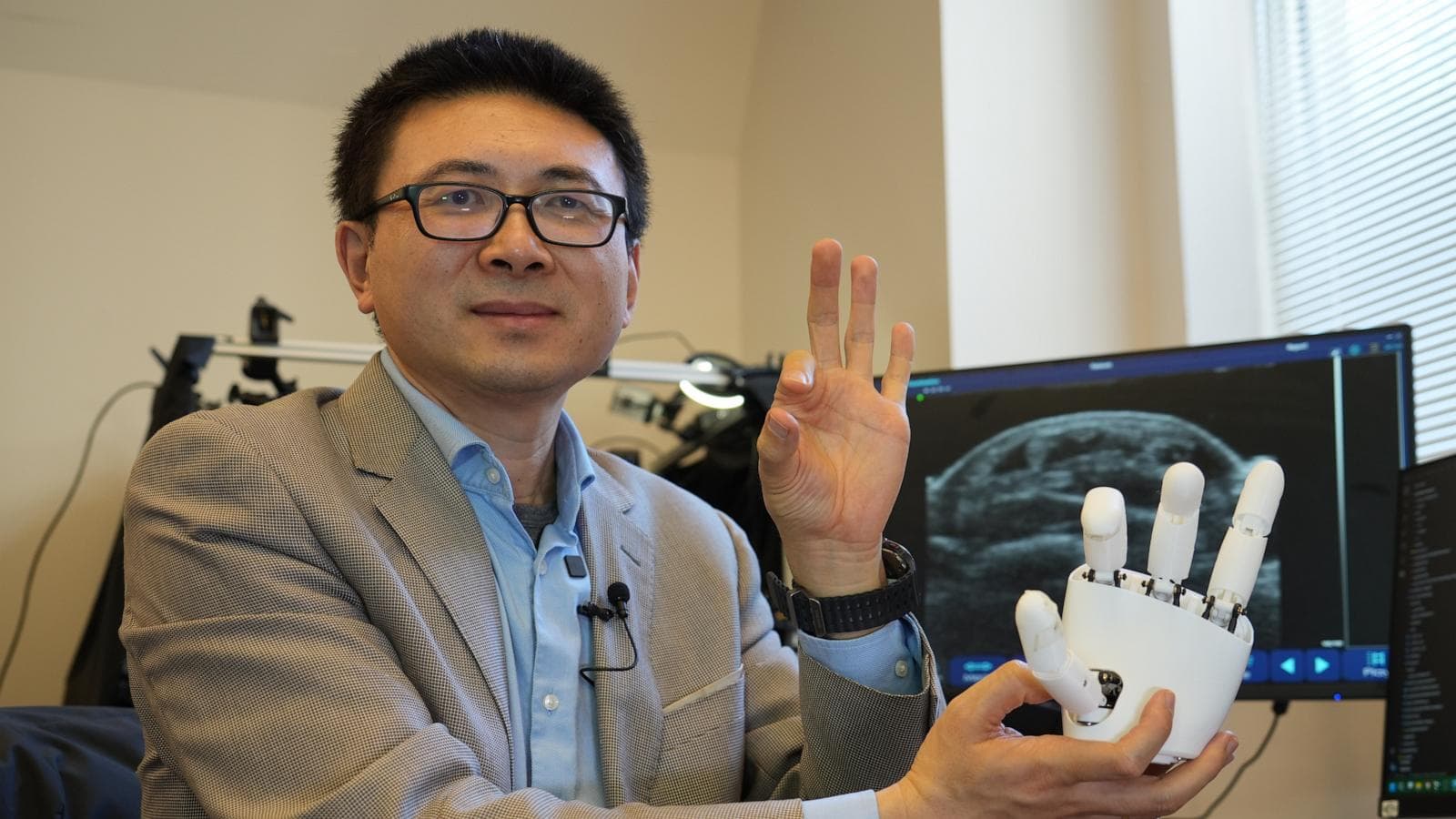
MIT engineers have unveiled an innovative ultrasound wristband designed to capture hand movements, significantly improving the training of humanoid robots. This wristband tracks the intricate movements of muscles, tendons, and ligaments beneath the skin, allowing for real-time control of robotic hands. It is capable of monitoring 22 degrees of freedom in the human hand, showcasing its precision in capturing complex gestures.
The research detailing this technology was published in Nature Electronics in March 2026. This breakthrough aims to address the challenges humanoid robots face, particularly in tasks such as grasping objects. By translating human gestures into actionable data, the wristband enhances the learning capabilities of robots.
The Context
The development of the ultrasound wristband comes at a time when the demand for more intuitive robotic control is critical across various applications. As industries increasingly integrate automation, the need for robots that can seamlessly interact with humans becomes paramount. The wristband's ability to track 22 degrees of freedom highlights its potential to revolutionize how robots learn and perform tasks.
Stakeholders in healthcare and rehabilitation are particularly poised to benefit from this technology. The ability to improve robotic assistance could lead to significant advancements in patient care and rehabilitation processes. As the research gains traction, further developments in AI-driven robotics are anticipated, paving the way for more sophisticated human-robot interactions.
Takeaway
Looking ahead, the ultrasound wristband technology could significantly advance the capabilities of humanoid robots in various applications. Its potential impact on rehabilitation and assistive technologies is particularly noteworthy, as it may enhance the effectiveness of robotic systems in supporting human activities.
As this technology matures, we can expect to see more sophisticated interactions between humans and robots, transforming industries reliant on automation. The ongoing research and subsequent developments will be crucial in determining how this innovation shapes the future of robotics.
Opinionated AI coverage for general audiences.
"TNW’s AI vertical covering tools, ethics, and trends."
— A47 Editor
MIT’s ultrasound wristband tracks every finger movement and lets you control a robot hand in real time
Engineers at MIT have developed an innovative ultrasound wristband capable of tracking 22 degrees of freedom in hand movements, allowing users to control a robotic hand in real time. This technology, detailed in a recent publication in Nature Electro...
AI/ML research and technology news.
"Sister site to Phys.org focusing on tech research."
— A47 Editor
MIT researchers channel AI to turn hand gestures into robot training data
MIT researchers have developed a novel approach to enhance the training of humanoid robots by utilizing an ultrasound wristband that captures the movements of muscles, tendons, and ligaments. This technology allows for the conversion of hand gestures...
Technology innovations, startups, and trends.
"ABC News delivers broad national coverage with a mainstream editorial stance, focusing on accessibility and balanced reporting."
— A47 Editor
MIT researchers channel AI to turn hand gestures into robot training data
Researchers at MIT have developed a method to convert hand gestures into training data for humanoid robots using an ultrasound wristband that captures muscle movements. This innovative approach aims to enhance the robots' ability to perform tasks suc...