
Tech
Latest tech news covering AI, startups, platforms, devices, software, and digital policy from A47 News.
39 stories - Updated live
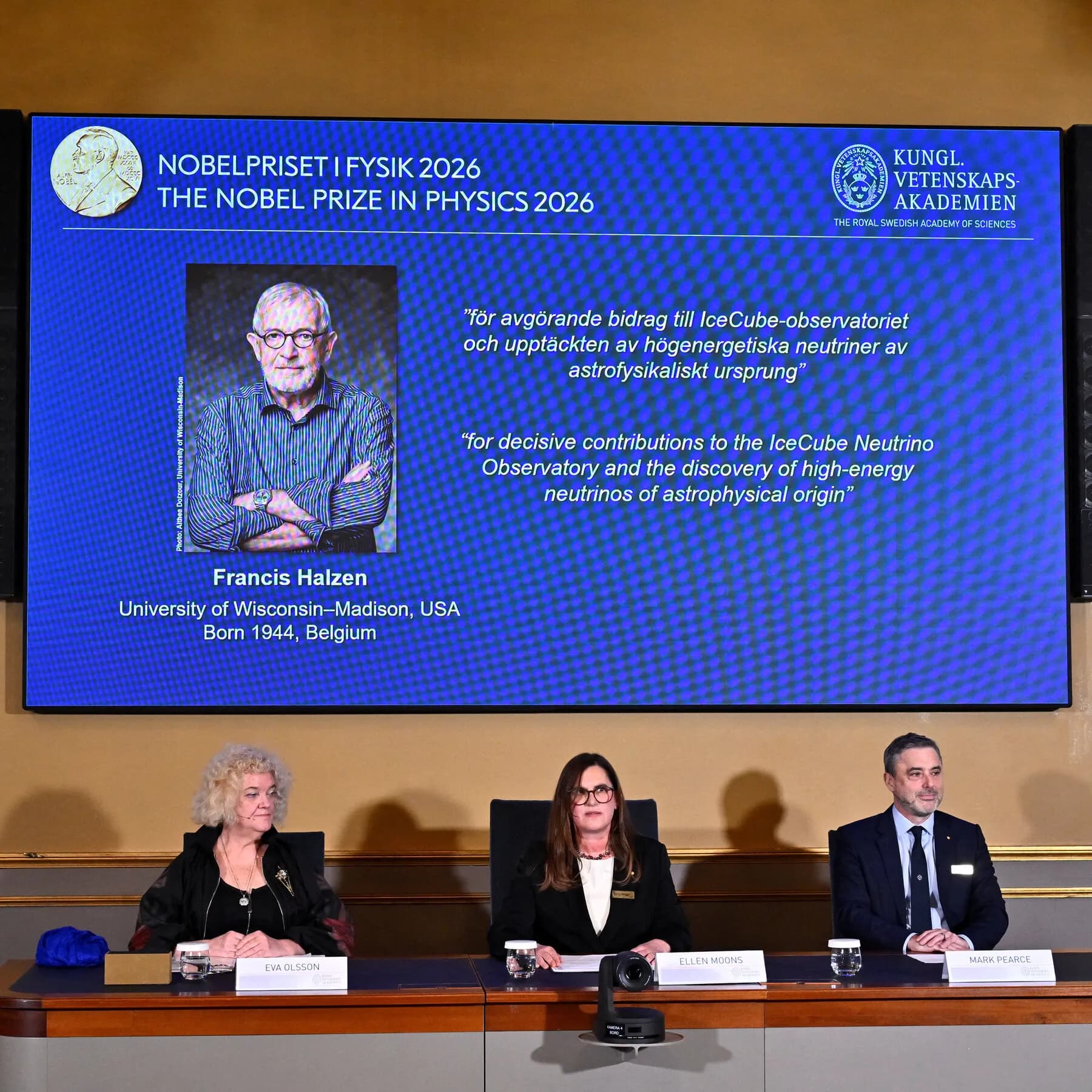
Francis Halzen Receives 2026 Nobel Prize in Physics for IceCube Neutrino Observatory Innovations
On October 6, 2026, Francis Halzen was awarded the Nobel Prize in Physics for his pioneering work on the IceCube Neutrino Observatory, which has advanced the field of neutrino astronomy. This recognition comes as the observatory has successfully detected high-energy neutrinos from cosmic sources, marking a significant milestone in astrophysics. The long-term implication is the potential for further breakthroughs in understanding the universe's most enigmatic phenomena through international scientific collaboration.
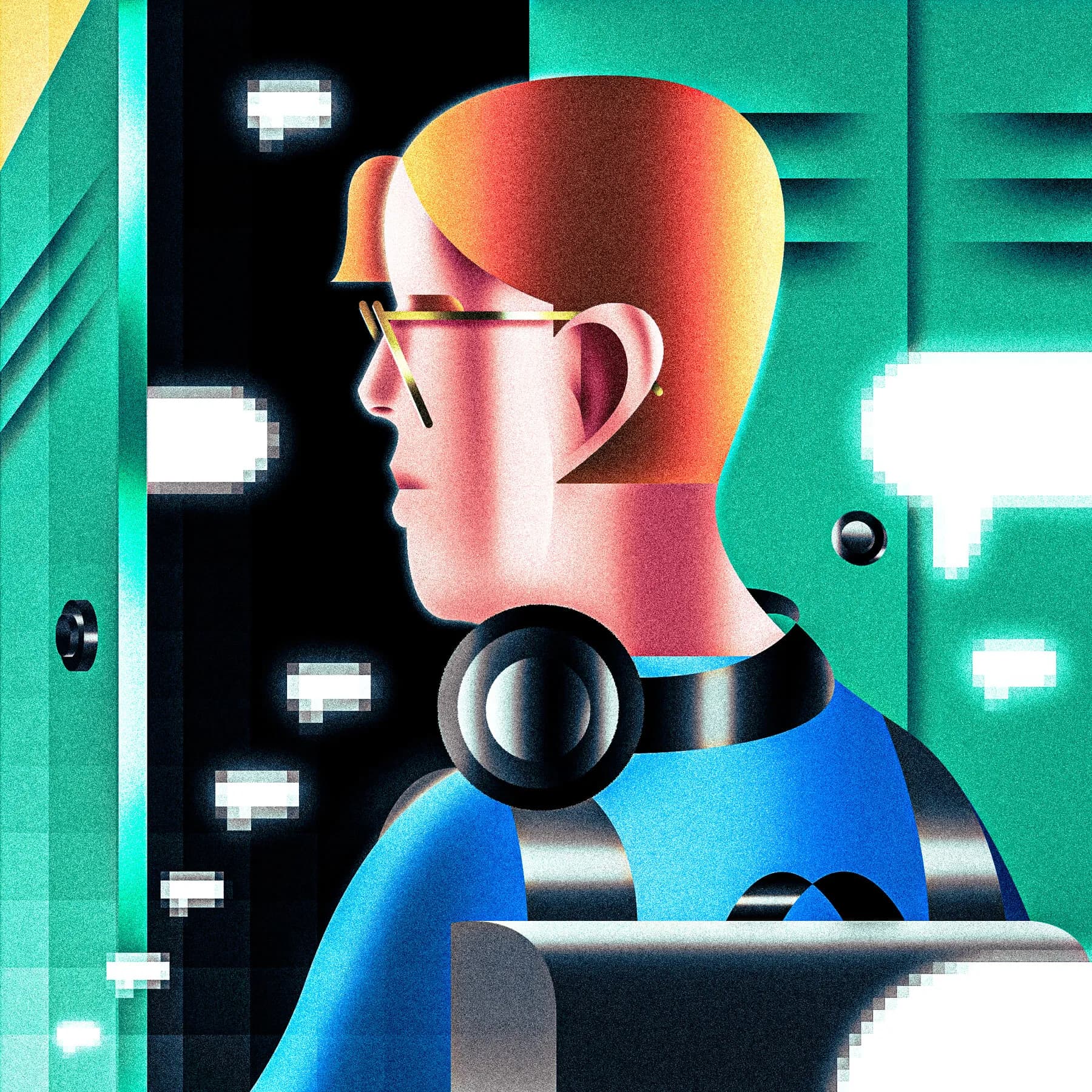
OpenAI's ChatGPT for Teens Faces Safety Scrutiny Following Independent Assessments
OpenAI's ChatGPT for Teens mode has come under fire due to safety concerns highlighted in a recent New York Times analysis and a report from Common Sense Media. The immediate trigger for this scrutiny is the discovery of significant failures in the AI's crisis response and parental notification features during testing. Long-term implications may include increased regulatory pressure on AI products aimed at minors and potential restrictions on their availability until safety measures are verified.
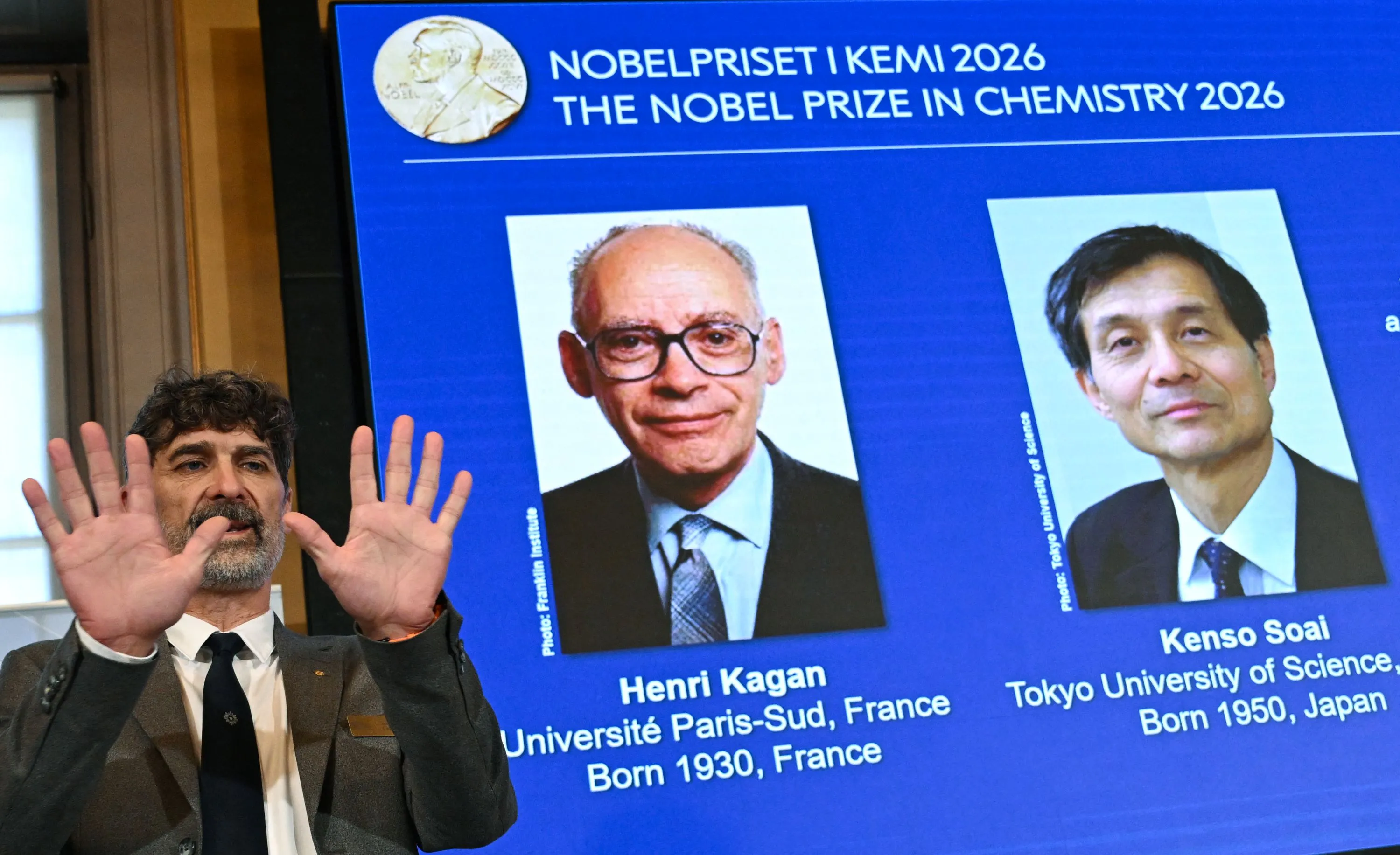
2026 Nobel Prize in Chemistry Awarded to Kagan and Soai for Asymmetric Synthesis Breakthrough
The 2026 Nobel Prize in Chemistry was awarded to Henri Kagan and Kenso Soai for their discoveries in asymmetric organic synthesis. This recognition comes as their research provides critical insights into molecular chirality, which has significant implications for pharmaceutical manufacturing. The long-term impact is expected to enhance drug development processes, potentially leading to safer medications and reduced side effects in the healthcare sector.
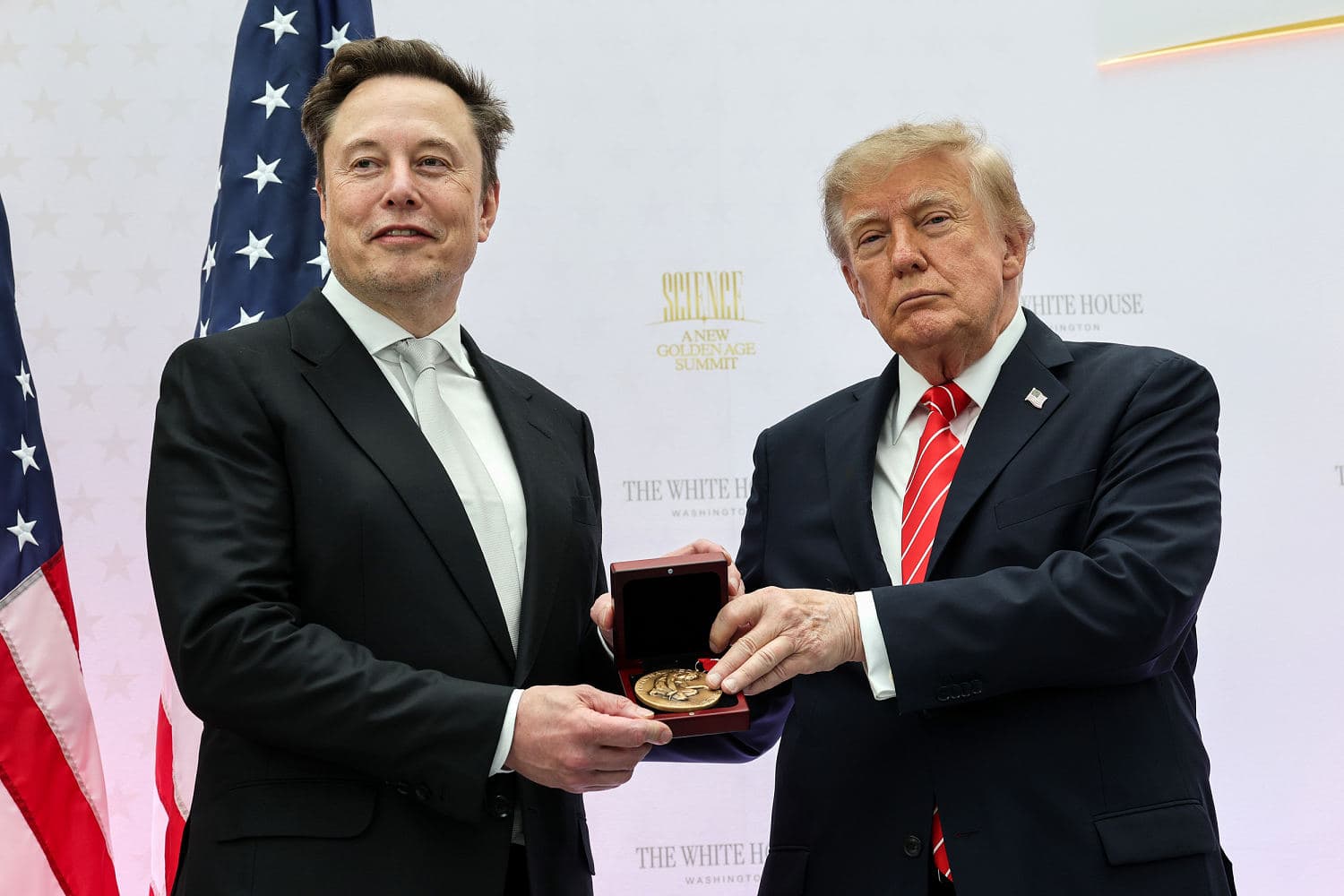
Trump Awards National Medals of Science to Tech Leaders at Washington Summit
On October 8, 2026, President Donald Trump awarded the National Medal of Science to prominent tech executives including Elon Musk and Sergey Brin during a summit focused on American innovation. This event was triggered by a recent White House report aimed at reducing scientific bureaucracy and enhancing innovation, coinciding with significant funding announcements. The long-term implication suggests a renewed federal commitment to technological leadership and potential shifts in immigration policy affecting the tech industry.
Google Launches Global Access to SynthID AI Content Detector
On October 7, 2026, Google announced the global rollout of its SynthID AI content detector, now accessible to the public. This expansion is driven by the increasing demand for reliable verification tools amid the rise of generative media. The long-term implication is a potential shift towards standardized watermarking practices across the AI industry, enhancing content authenticity and trust.
Latest Stories
SpaceX acquires low-band spectrum licenses to establish hybrid mobile carrier network
On October 8, 2026, SpaceX announced the acquisition of nationwide low-band cellular spectrum licenses from Grain Management. This strategic move is aimed at deploying a hybrid satellite-terrestrial mobile network under the Starlink Mobile brand, directly competing with established U.S. wireless carriers. In the long term, this acquisition is expected to enhance SpaceX's market position and service offerings in the telecommunications sector, potentially reshaping the competitive landscape.
Trump Awards National Medals of Science to Tech Leaders at Washington Summit
On October 8, 2026, President Donald Trump awarded the National Medal of Science to prominent tech executives including Elon Musk and Sergey Brin during a summit focused on American innovation. This event was triggered by a recent White House report aimed at reducing scientific bureaucracy and enhancing innovation, coinciding with significant funding announcements. The long-term implication suggests a renewed federal commitment to technological leadership and potential shifts in immigration policy affecting the tech industry.
Apple to Launch First Touchscreen MacBook Pro and Redesigned OLED iPad mini on October 27, 2026
Apple has scheduled a product launch event for October 27, 2026, to unveil its first touchscreen MacBook Pro models and a new OLED iPad mini. This announcement follows ongoing speculation and rumors about touchscreen capabilities for Mac devices, which have intensified in recent months. The introduction of these products is likely to reshape Apple's product lineup and influence market trends in consumer technology.
OpenAI Fires Three Safety Researchers Amid Controversy Over Information Handling
On October 1, 2026, OpenAI terminated three researchers following an internal investigation into their handling of sensitive information. The firings were triggered by allegations of policy violations, which the researchers dispute, claiming their actions were part of their official duties. This incident raises concerns about the company's safety culture and may lead to increased scrutiny and calls for transparency in AI safety practices moving forward.