
Semiconductors
Latest news, analysis, and updates on Semiconductors from A47 News.
10 stories in Tech · Updated live
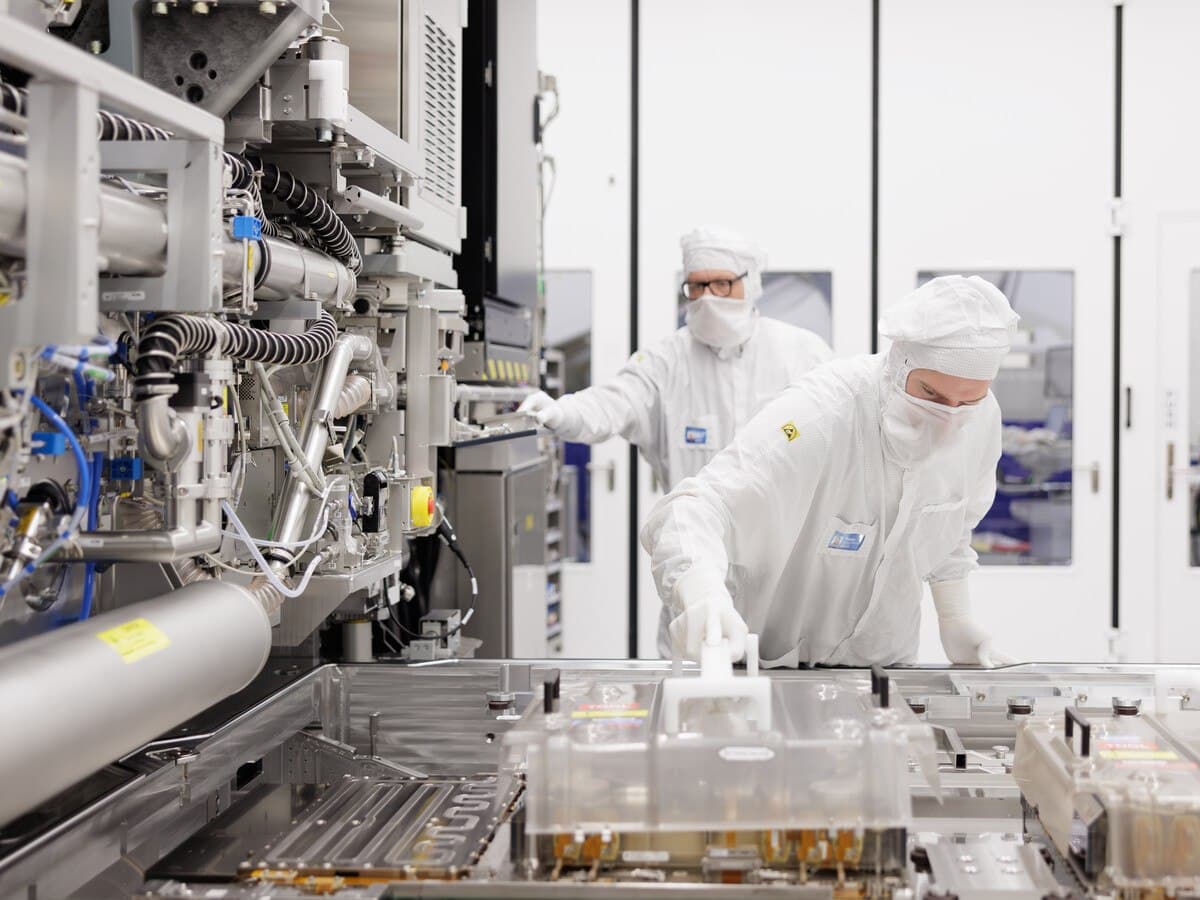
ASML Warns 2027-2028 Capacity Expansions Will Fall Short of AI Demand
ASML announced that its planned supply capacity for 2027 and 2028 will not meet the surging demand driven by AI investments from major clients. This shift is triggered by increased customer forecasts and interest in orders extending into 2029 and 2030, surpassing previous capacity increase plans. The long-term implication is a potential supply shortage in the semiconductor industry, prompting ASML to explore further capacity expansions beyond its current targets.
Applied Materials Launches $5 Billion EPIC Center for Semiconductor R&D
Applied Materials has unveiled its $5 billion EPIC Center in Sunnyvale, California, aimed at accelerating semiconductor research and development for AI applications. This initiative is driven by the urgent need to enhance U.S. competitiveness in semiconductor manufacturing amid rising global competition and demand for advanced AI chips. The establishment of this facility is expected to significantly shorten development cycles, potentially reshaping the semiconductor landscape and bolstering the U.S. tech industry’s leadership.

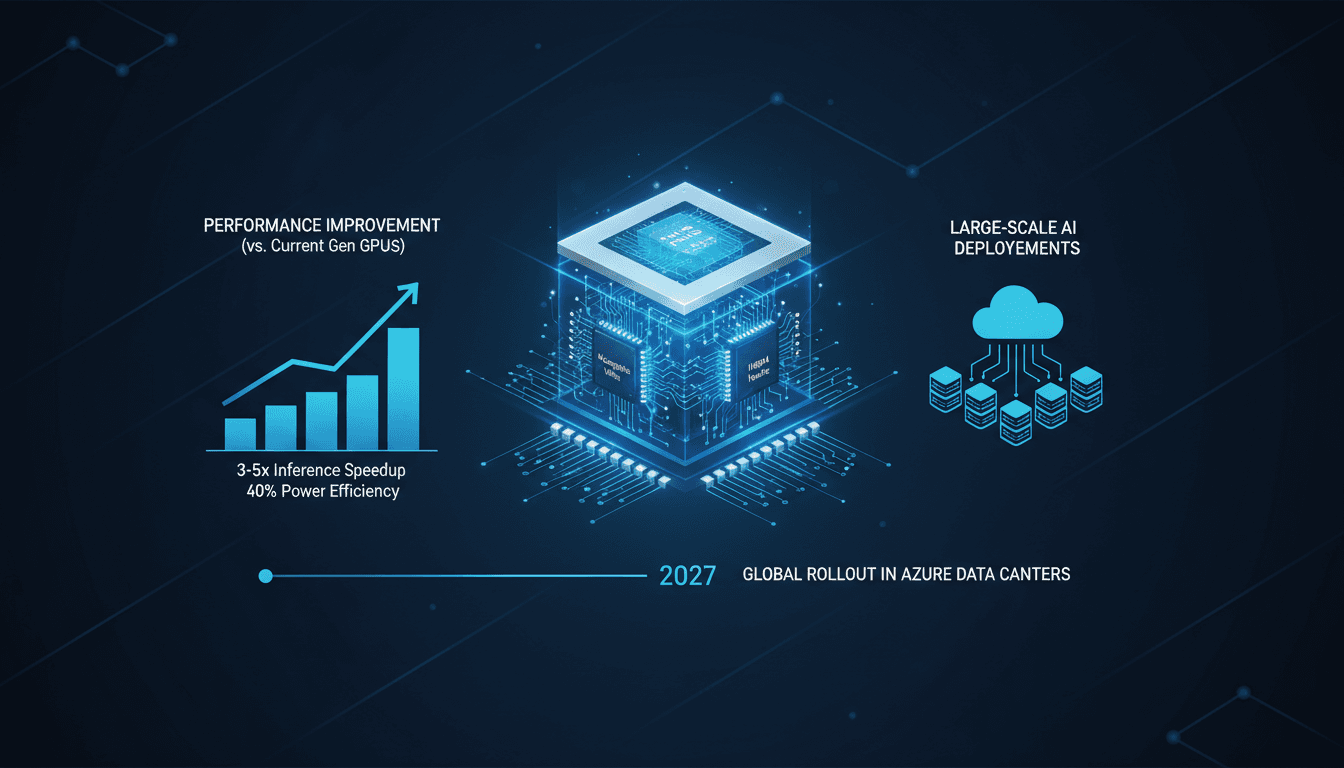
Microsoft Launches Maia 300 AI Accelerator for Large-Scale Deployments Starting 2027
Microsoft has announced the Maia 300 AI accelerator, a third-generation custom chip designed for large-scale AI inference workloads. This launch is driven by the need to reduce reliance on external suppliers and optimize costs amid increasing demand for AI capabilities. The long-term implication is a potential shift in cloud economics and accelerated adoption of custom ASICs across the industry.
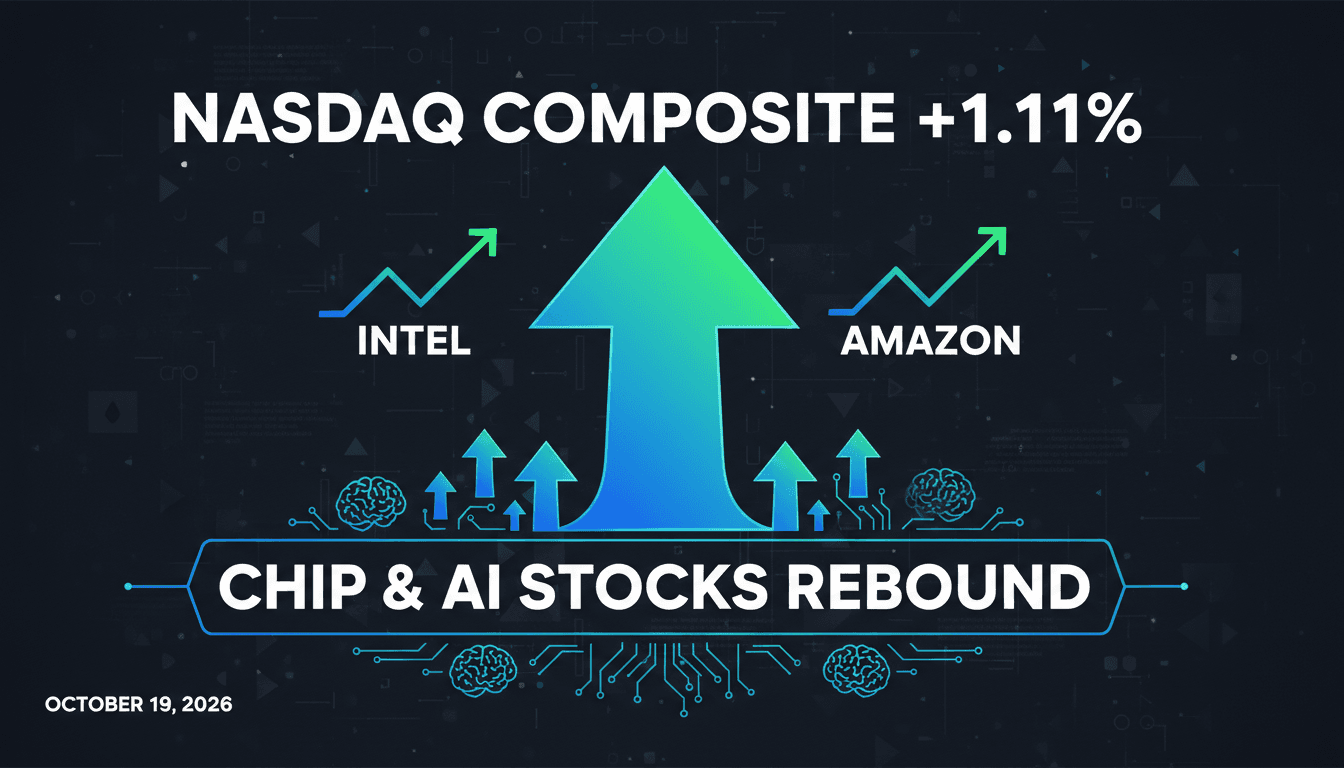
Nasdaq Composite Gains 1.11% as Chip and AI Stocks Rebound
On October 19, 2026, the Nasdaq Composite rose 1.11% following a rebound in semiconductor and AI-linked stocks after a significant selloff. This recovery was triggered by investors returning to oversold conditions amid concerns over elevated interest rates impacting AI infrastructure spending. The long-term implication suggests that upcoming earnings reports will be critical in determining the sustainability of AI investments and market confidence.
Latest Stories
Nasdaq Composite Gains 1.11% as Chip and AI Stocks Rebound
On October 19, 2026, the Nasdaq Composite rose 1.11% following a rebound in semiconductor and AI-linked stocks after a significant selloff. This recovery was triggered by investors returning to oversold conditions amid concerns over elevated interest rates impacting AI infrastructure spending. The long-term implication suggests that upcoming earnings reports will be critical in determining the sustainability of AI investments and market confidence.
Wall Street AI Stocks Plummet as Brent Crude Hits $110 per Barrel
On October 16, 2026, Wall Street experienced a significant selloff in AI-related stocks coinciding with Brent crude oil prices soaring to $110 per barrel. This market correction was triggered by rising energy costs that intensified inflation fears and raised expectations for prolonged higher interest rates, adversely impacting capital-intensive AI investments. The long-term implication suggests a potential reevaluation of investment strategies in the tech sector, particularly those reliant on low borrowing costs amidst escalating energy prices.
Microsoft Unveils Maia 300 AI Inference Accelerator Focusing on Memory Bandwidth
Microsoft announced the Maia 300 AI accelerator, emphasizing memory bandwidth and efficiency, at the OCP Global Summit on October 12, 2026. This launch is driven by the company's ongoing strategy to develop custom silicon to optimize AI workloads in Azure data centers, reducing reliance on external GPU suppliers. The long-term implication is a potential shift in the AI hardware landscape, pressuring traditional GPU suppliers as demand for specialized accelerators grows.
Philadelphia Semiconductor Index Experiences Longest Losing Streak Since 2008 Amid AI Investment Concerns
The Philadelphia Semiconductor Index recorded its longest losing streak since October 2008, declining for eight consecutive sessions as of October 17, 2026. This downturn is driven by investor apprehension regarding the sustainability of AI spending, rising financing costs, and overall technology valuations. The long-term implication suggests a potential reevaluation of capital allocation in AI infrastructure projects as market volatility increases.