
Lebanon faces renewed conflict risks as Israeli airstrikes escalate tensions with Hezbollah
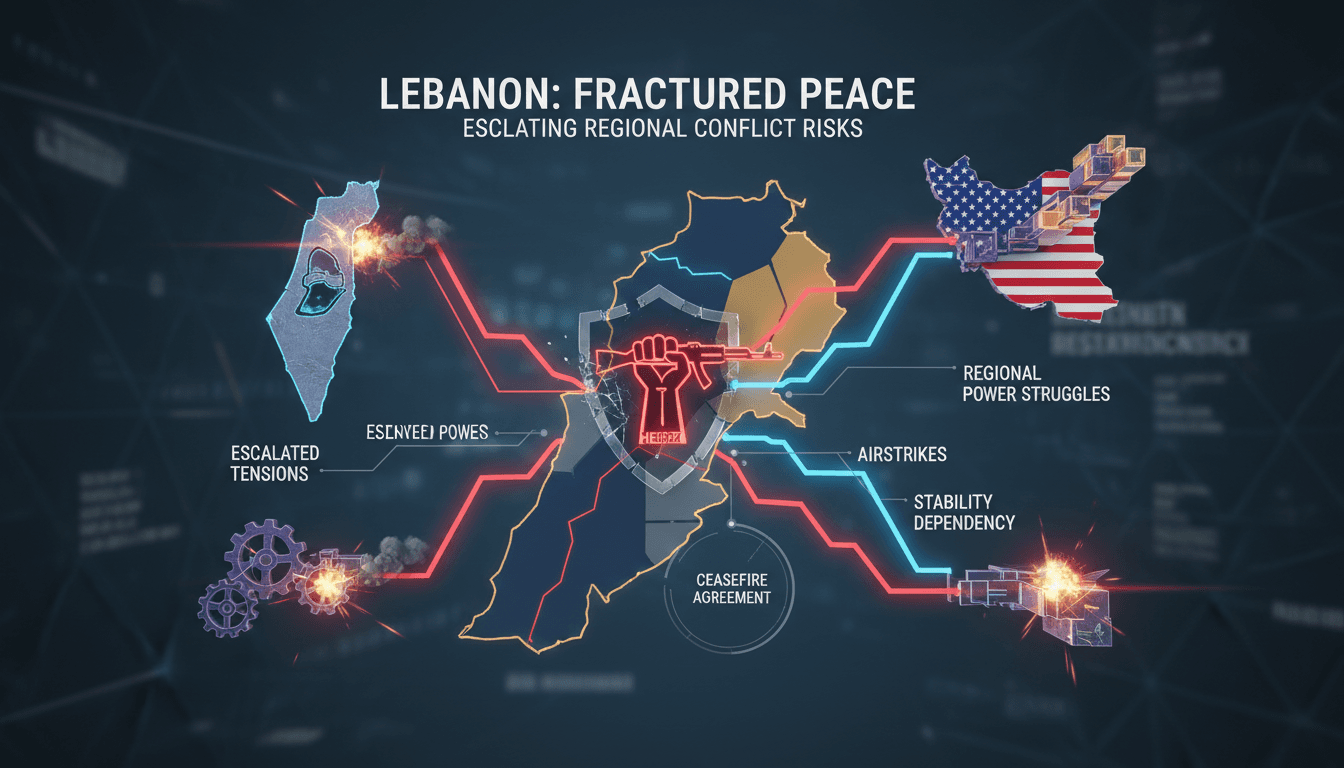
Here's what it means for you.
The recent Israeli airstrikes in southern Lebanon signal a critical escalation in regional tensions, particularly concerning Hezbollah's influence and the Lebanese government's response. Stakeholders, including U.S. policymakers, must closely monitor these developments as they could reshape foreign relations and security strategies in the Middle East. The potential for renewed conflict poses risks not only to Lebanon's stability but also to broader geopolitical dynamics involving Iran and Israel.
What happened
Israel conducted airstrikes in southern Lebanon, raising alarms about the possibility of renewed conflict in the region. This military action is linked to a ceasefire agreement that requires the Lebanese government to dismantle Hezbollah, a move that has reignited sectarian tensions within the country. The airstrikes specifically targeted areas in the southern suburbs of Beirut, intensifying fears of a new civil war.
Lebanese President Joseph Aoun has emphasized the need to prioritize national interests amid these rising tensions, particularly concerning Hezbollah's ties to Iran. The situation is further complicated by criticisms directed at Lebanese authorities for their perceived alignment with U.S. interests, which adds another layer of complexity to the ongoing conflict.
The Context
Lebanon is currently navigating a precarious situation as it grapples with internal sectarian divisions and external pressures from regional powers. The ceasefire agreement with Israel has heightened existing tensions, particularly regarding Hezbollah's role in the conflict and its connections to Iran. Approximately one-third of Lebanon is affected by the ongoing conflict, underscoring the widespread implications for the nation.
The dynamics of this conflict are intertwined with broader regional struggles, particularly those involving Iran and Israel. As these two nations continue to vie for influence, Lebanon's stability increasingly hinges on the outcomes of these power struggles. The Lebanese government's response to the airstrikes and its ability to manage internal dissent will be crucial in determining the country's future.
Takeaway
The potential for renewed conflict in Lebanon remains high, necessitating careful monitoring of both local and regional developments. Observers should keep an eye on U.S.-Iran negotiations, as their outcomes could significantly impact Lebanon's political landscape. Additionally, any escalations in military confrontations between Israel and Hezbollah will be critical to watch, as they could further destabilize the region.
As Lebanon continues to navigate its internal divisions and external pressures, the implications for U.S. foreign policy in the region are profound. The situation calls for a nuanced understanding of the interplay between local actors and international interests, as the stakes are increasingly high.
Global political, business, and cultural coverage from WSJ international desks.
"The Wall Street Journal offers extensive international reporting with a reputation for financial insight and a center-right editorial stance."
— A47 Editor
Lebanon Is Teetering at the Abyss of a New Civil War
Lebanon is facing a precarious situation as a ceasefire agreement with Israel, which requires the government to dismantle Hezbollah, has reignited sectarian tensions. This development comes amid ongoing military actions, including Israeli airstrikes ...
European coverage of Middle East politics and security issues.
"France 24 offers international reporting with a European editorial perspective."
— A47 Editor
Lebanese 'stuck between a rock and a hard place' as Israel strikes south of country
Recent Israeli airstrikes targeted southern Lebanon, particularly the suburbs of Beirut, following the interception of Hezbollah rockets. This escalation has resulted in fatalities and injuries, prompting criticism of Lebanese authorities for their p...
Coverage of current events and conflicts in the Middle East.
"France 24 is viewed as a globally focused outlet with balanced coverage and a European perspective."
— A47 Editor
Lebanese 'stuck between a rock and a hard place' as Israel strikes south of country
Recent Israeli airstrikes targeted southern Lebanon, particularly the suburbs of Beirut, following the interception of Hezbollah rockets. This escalation has resulted in fatalities and injuries, prompting criticism of Lebanese authorities for their p...
Arabic-language coverage of political affairs and current events.
"Okaz political coverage typically follows mainstream Saudi framing on national and regional affairs."
— A47 Editor
عودة المواجهات تثير المخاوف.. لبنان في قلب العاصفة
Lebanon has once again become a focal point in the Middle East following an Israeli airstrike on the southern suburbs of Beirut, which has escalated tensions between Iran and Israel. This incident marks a new phase in the ongoing conflict, intertwini...