
Escalating U.S.-Iran tensions threaten global oil supply through Strait of Hormuz
Here's what it means for you.
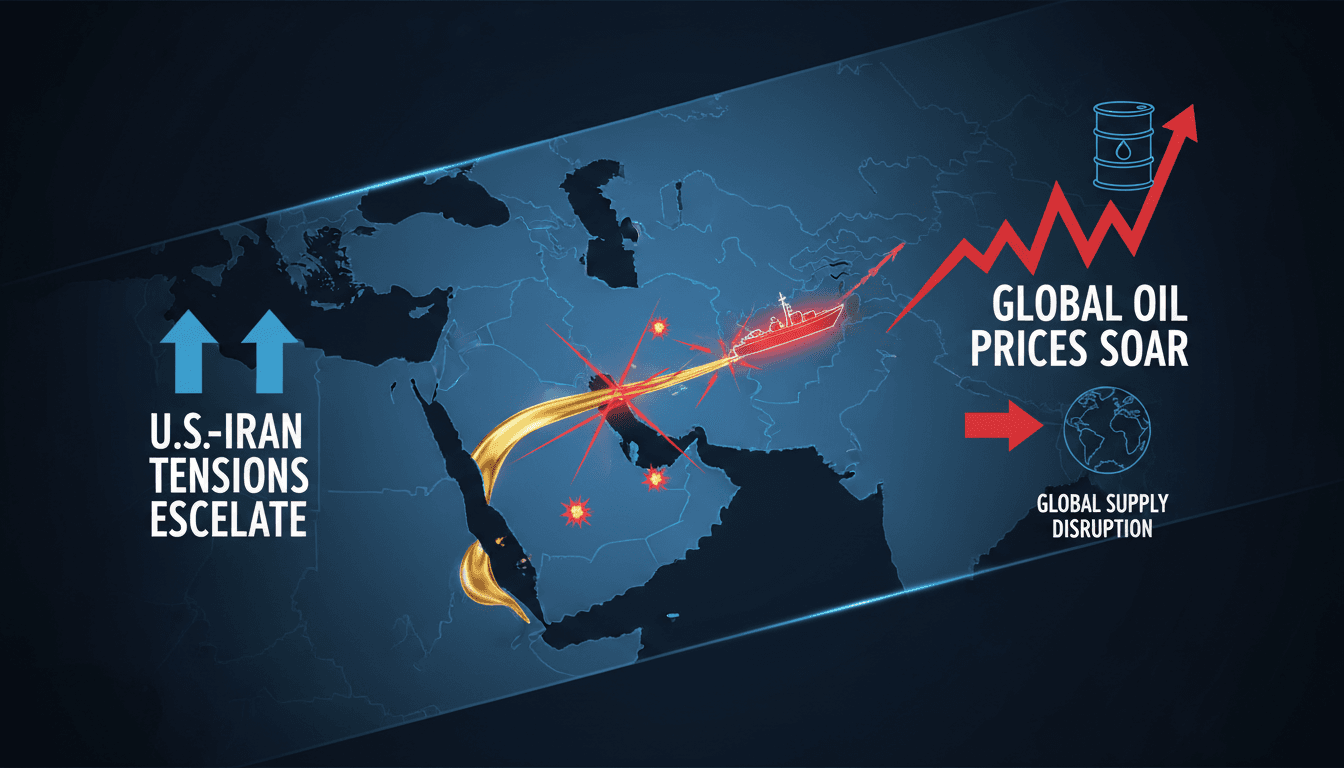
The escalating tensions between the U.S. and Iran over the Strait of Hormuz could have significant implications for global oil markets. With approximately 20% of the world's oil passing through this critical shipping route, any disruption could lead to increased prices and volatility in energy markets. Policymakers and businesses should closely monitor developments, as the situation may affect international relations and energy security. The potential for military engagement raises concerns not only for oil supply but also for broader geopolitical stability in the region. Stakeholders in the energy sector must prepare for possible fluctuations in oil prices as the conflict unfolds.
What happened
The U.S. military has intensified its strikes against Iran, leading to retaliatory threats from Tehran. In response to these military actions, Iran's Revolutionary Guards have vowed to keep the Strait of Hormuz closed until U.S. aggression ceases. This escalation marks a significant increase in hostilities between the two nations, with both sides engaged in military confrontations over control of this vital shipping route.
The situation has developed rapidly, with military strikes occurring as recently as July 14, 2026. Following these events, Iran announced on July 16, 2026, that the Strait would remain closed, further heightening tensions in the region.
The Context
The Strait of Hormuz is a strategic maritime chokepoint, crucial for global oil shipments. Approximately 20% of the world's oil flows through this narrow passage, making it a focal point for geopolitical conflict. The ongoing military campaign between the U.S. and Iran has raised alarms about potential disruptions to international oil supplies and the stability of energy markets.
Iran's Revolutionary Guards play a significant role in this conflict, asserting their commitment to keeping the strait closed until U.S. military actions cease. The implications of this standoff extend beyond the immediate region, affecting global energy security and international relations.
Takeaway
The situation remains volatile, with the potential for further military engagement that could disrupt international shipping and oil prices. Stakeholders should monitor developments in U.S.-Iran relations closely, as any escalation could have far-reaching consequences for global oil markets. Changes in oil prices are likely as tensions continue to rise, prompting businesses and policymakers to prepare for potential impacts.
As both nations remain entrenched in their positions, the likelihood of continued conflict appears high. Observers should stay alert to shifts in military actions and diplomatic efforts that may arise in response to this ongoing crisis.
Conservative-leaning political and national coverage.
"The Washington Times is a conservative-leaning newspaper known for its political coverage and advocacy of right-of-center viewpoints."
— A47 Editor
3 islands help control access to the Strait of Hormuz. They're in the crosshairs of the Iran war
The ongoing U.S. military campaign against Iran has intensified focus on three small islands located at the junction of the Persian Gulf and the Strait of Hormuz, a critical maritime route. These islands are now seen as pivotal in controlling access ...
Regional coverage and analysis focused on politics, diplomacy, and business across the Middle East.
"Al-Monitor is known for analytical reporting on Middle East politics and policy developments."
— A47 Editor
US-Iran strikes: latest developments
The United States has intensified its military engagement with Iran, launching a series of airstrikes while reimposing a blockade on Iranian ports. In response, Iran's Revolutionary Guards declared that the Strait of Hormuz would remain closed until ...
Editor-curated FT homepage stories spanning markets, business, world, and opinion.
"The Financial Times is a globally respected business publication with a centrist/center-left tone and strong markets focus."
— A47 Editor
US hits tanker heading for Kharg Island under renewed Iran blockade
The United States has conducted military strikes on a tanker heading for Kharg Island amid a renewed blockade on Iranian shipping in the Strait of Hormuz. This escalation follows a series of missile attacks on commercial vessels attributed to Iranian...
International coverage of politics, culture, and current affairs.
"BBC News is widely regarded as a reputable international news organization, known for its impartial tone and public service mandate."
— A47 Editor
Watch: The clash between US and Iran for control of the Strait of Hormuz
Recent tensions have escalated between the United States and Iran over control of the strategically vital Strait of Hormuz, marked by military exchanges and threats that have raised concerns about shipping safety in this key international waterway.