
G7 summit concludes with focus on tech sovereignty and AI regulation
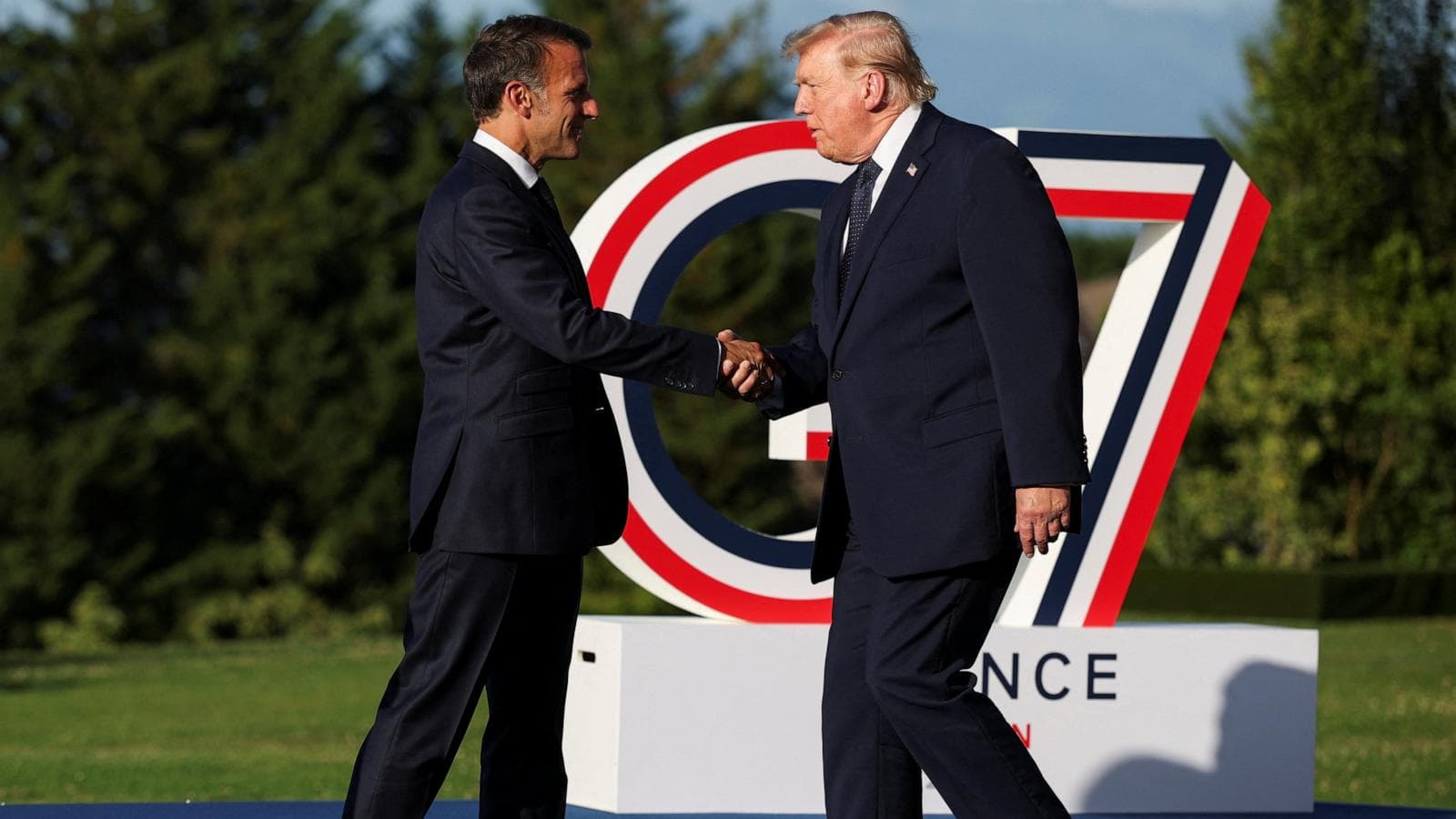
Here's what it means for you.
The recent G7 summit in Evian marks a pivotal moment for global tech policy, particularly concerning artificial intelligence and social media regulations. As leaders express a unified stance on tech sovereignty, businesses and policymakers must prepare for potential shifts in regulatory landscapes across member countries. The emphasis on protecting minors online indicates a growing recognition of the need for safer digital environments. This summit could lead to significant changes in how AI technologies are accessed and regulated, particularly concerning American dominance in the sector. Stakeholders in the tech industry should closely monitor these developments, as they may influence market dynamics and operational strategies.
What happened
G7 leaders concluded their summit in Evian, focusing on the critical issues of tech sovereignty and the regulation of artificial intelligence. The discussions highlighted the need for a collaborative approach to manage the influence of American tech giants. A proposal for a 'trusted partners' scheme was introduced to facilitate access to AI technologies among allied nations.
Additionally, the summit addressed the pressing need for social media regulations aimed at protecting minors. With all G7 members supporting a social media ban for teenagers, the UK has already taken steps in this direction, setting a precedent for other nations.
The Context
The G7, comprising seven major advanced economies, convened to tackle pressing global issues, with AI regulation taking center stage. Concerns over American dominance in the AI sector have prompted G7 leaders to seek a more balanced approach to technology governance. The timing of this summit is crucial, as digital platforms increasingly impact youth and societal norms.
France's consideration of a social media ban similar to the UK's reflects a broader trend among G7 nations to prioritize the safety of minors online. As these discussions unfold, the implications for tech companies and policymakers are significant, potentially reshaping the digital landscape.
Takeaway
The G7's discussions on AI and social media regulation signal a potential shift in policy across member countries. As nations move towards implementing new regulations, stakeholders should watch for the potential rollout of social media bans in more G7 countries. The proposed 'trusted partners' scheme for AI access may also evolve, influencing how technologies are shared among allied nations.
These developments could reshape global tech policies and impact how businesses operate within these frameworks. The outcomes of the summit will likely set the tone for future discussions on technology governance and youth protection online.
European current affairs, EU politics, and regional developments.
"France 24 is viewed as a globally focused outlet with balanced coverage and a European perspective."
— A47 Editor
AI and tech sovereignty top last day of G7 summit in Evian
The G7 summit in Evian, France, concluded with a focus on technology sovereignty and the protection of minors on social media, with all member nations supporting a social media ban for teenagers. The UK has already implemented such a ban, while Franc...
Opinionated AI coverage for general audiences.
"TNW’s AI vertical covering tools, ethics, and trends."
— A47 Editor
G7 leaders weigh a ‘trusted partners’ route to America’s top AI models
At the G7 summit in Evian-les-Bains, leaders discussed a 'trusted partners' initiative with US Commerce Secretary Howard Lutnick, aimed at granting allied nations access to America's leading AI models. This proposal reflects a growing recognition of ...
Technology innovations, startups, and trends.
"ABC News delivers broad national coverage with a mainstream editorial stance, focusing on accessibility and balanced reporting."
— A47 Editor
AI executives gather at G7 as Europeans seek checks on American dominance
Executives from leading artificial intelligence companies, including OpenAI and Anthropic, gathered at the G7 summit in France to discuss the implications of AI technology and the need for regulatory frameworks to address American dominance in the se...