
Qatari Delegation Visits Iran to Mediate US-Iran Tensions
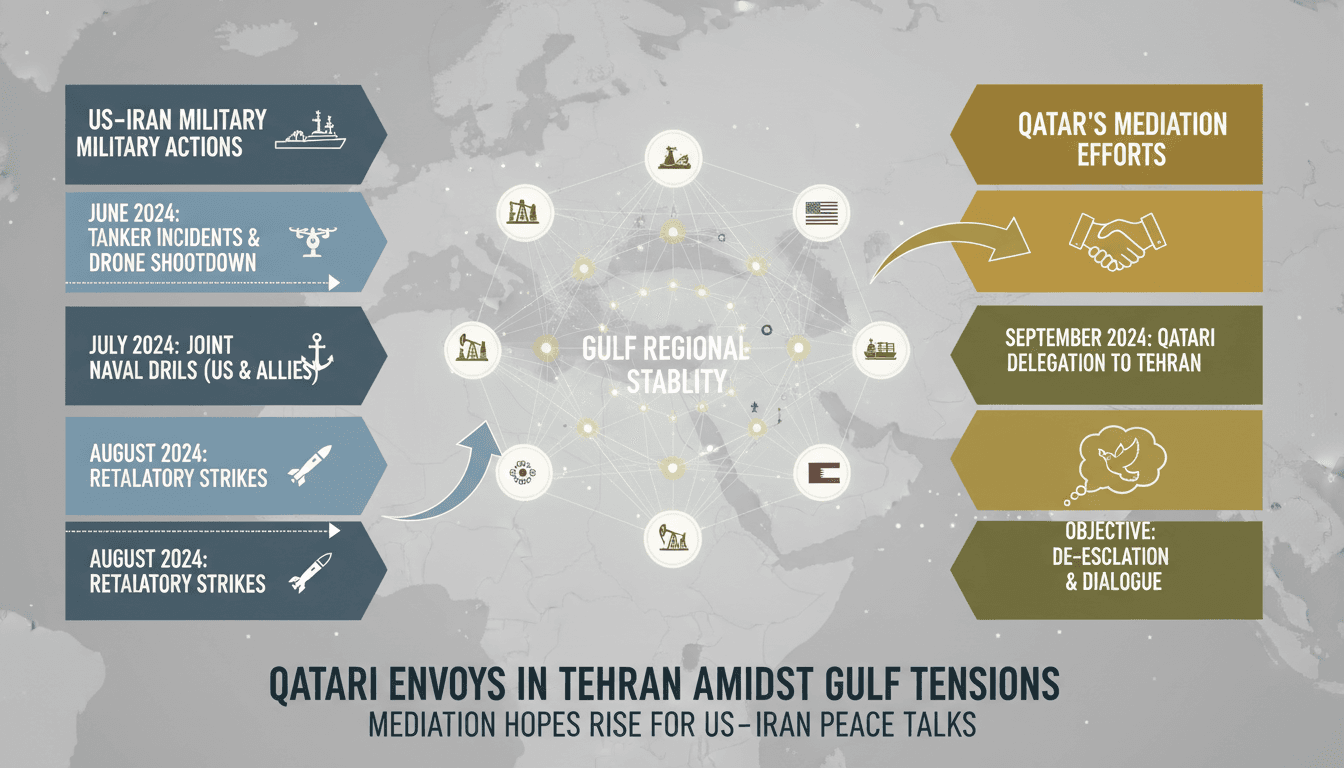
Here's what it means for you.
The recent visit by a Qatari delegation to Iran underscores the delicate balance of power in the Gulf region amid escalating US-Iran tensions. As Qatar seeks to mediate, the implications for regional stability and energy security are significant. Stakeholders in international relations should closely monitor the outcomes of these discussions, as they could pave the way for renewed peace talks.
What happened
A Qatari delegation traveled to Iran on July 10, 2026, to mediate escalating tensions following recent military hostilities in the Gulf. This visit comes in the wake of accusations exchanged between Qatar and Iran, particularly concerning incidents in the Strait of Hormuz. The delegation's primary goal is to de-escalate the situation and facilitate dialogue between the involved parties.
The backdrop of this mediation effort includes a significant increase in military actions, with the US reportedly striking over 170 targets in Iran. These developments have heightened the conflict, prompting Qatar to take a proactive role in addressing the crisis. The outcome of these discussions could have far-reaching implications for regional stability.
The Context
The ongoing conflict between the US and Iran has created a volatile environment in the Gulf, particularly around the strategically vital Strait of Hormuz. Recent attacks on commercial vessels have intensified tensions, leading to threats from Iran to expand military actions if US strikes continue. Qatar's mediation efforts are part of its broader strategy to position itself as a key diplomatic player in the region.
As the situation evolves, the willingness of both the US and Iran to engage constructively will be crucial. The timing of the Qatari delegation's visit is critical, as it follows a series of military escalations that have raised concerns about global energy security. The stakes are high, and the potential for further conflict looms large.
Takeaway
The success of the Qatari mediation efforts could be pivotal in preventing further escalation between the US and Iran. Observers should monitor the outcomes of the discussions closely, as they may influence future military strategies and diplomatic engagements. The potential for renewed peace talks hinges on the ability of both parties to find common ground amid rising tensions.
As the situation remains fluid, any missteps could lead to a rapid deterioration of relations. Stakeholders should remain vigilant as developments unfold, particularly regarding changes in US military strategy in response to ongoing tensions.
Regional coverage and analysis focused on politics, diplomacy, and business across the Middle East.
"Al-Monitor is known for analytical reporting on Middle East politics and policy developments."
— A47 Editor
Qatari delegation is in Iran, aims to boost mediation role, Tasnim news agency says
A Qatari delegation visited Iran on July 10, 2026, as part of efforts to strengthen Doha's mediation role amid escalating tensions in the Gulf region, particularly following Iranian missile attacks on commercial vessels in the Strait of Hormuz. This ...
English-language reporting on Saudi politics, policy, and society.
"Saudi Gazette reflects mainstream Saudi institutional perspectives."
— A47 Editor
Mediators trying to pull US and Iran back from brink, salvage deal
Qatar, Pakistan, and other regional mediators are actively working to de-escalate tensions between the United States and Iran, as both nations have recently engaged in military strikes. Qatari negotiators have traveled to Iran to facilitate discussio...
Oil, metals, and agriculture: supply/demand headlines, OPEC chatter, inventories, and price action.
"Solid tape for energy and metals traders tracking macro and micro catalysts."
— A47 Editor
Qatari delegation is in Iran, aims to boost mediation role, Tasnim news agency says
A Qatari delegation has arrived in Iran with the aim of enhancing its mediation role, as reported by Tasnim news agency. This visit comes amid ongoing geopolitical tensions in the region, particularly concerning relations between the US and Iran.