
Iran Closes Strait of Hormuz Amid Rising US Tensions Causing Oil Price Surge
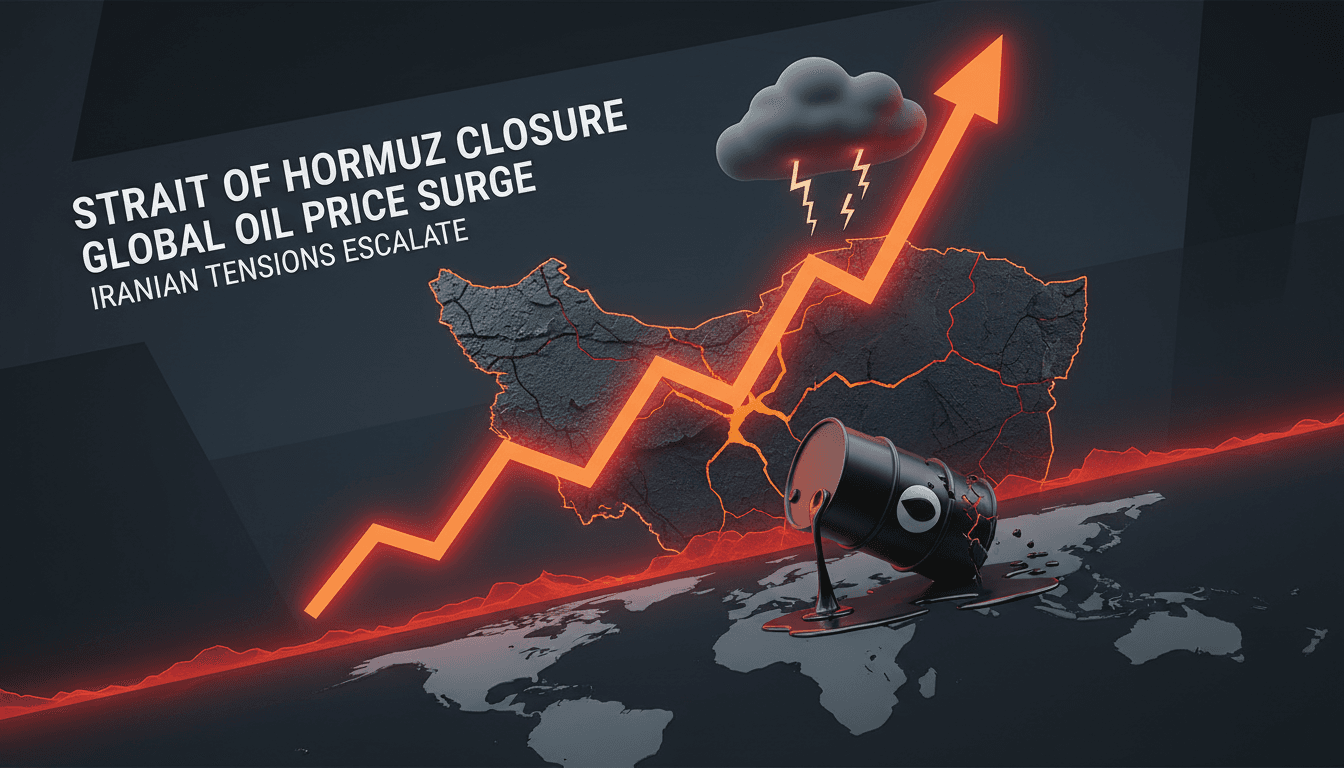
Here's what it means for you.
The closure of the Strait of Hormuz by Iran has triggered a significant surge in oil prices, raising concerns about potential supply disruptions. This escalation in tensions, particularly following President Trump's military threats, complicates the already fragile peace negotiations between the US and Iran. For businesses and consumers alike, this situation could lead to increased costs and volatility in the oil market. As the situation develops, stakeholders in the energy sector should prepare for potential fluctuations in oil prices and supply chain disruptions. Policymakers will need to closely monitor these developments to mitigate risks associated with rising energy costs.
What happened
Iran has once again closed the Strait of Hormuz, a critical passage for global oil shipments, leading to a sharp increase in oil prices. This closure follows President Trump's recent threats of military action against Iran, further escalating tensions between the two nations. The situation has raised fears of significant supply disruptions in the oil market.
The closure comes just days after a peace agreement was signed on June 17, which has now unraveled. The announcement from Iran's military command on June 20 has sent shockwaves through the global oil market, with prices expected to potentially reach $150 per barrel.
The Context
The Strait of Hormuz is vital for oil transport, with a substantial percentage of the world's oil passing through it. The recent peace deal between the US and Iran, signed on June 17, was intended to stabilize relations but lasted only three days before the closure was announced. President Trump's military threats have complicated these negotiations, raising the stakes for both countries.
This situation is critical not only for the involved nations but also for global economies that rely heavily on stable oil prices. The potential for military conflict in the region adds another layer of complexity, making it essential for stakeholders to remain vigilant.
Takeaway
As tensions between the US and Iran escalate, the potential for military conflict looms large, which could lead to further disruptions in oil supply. Stakeholders should closely monitor developments in US-Iran negotiations and military posturing, as these will significantly impact oil prices and market stability.
The situation remains fluid, and any changes could have immediate repercussions on global oil markets and economies reliant on stable energy supplies.
Oil, metals, and agriculture: supply/demand headlines, OPEC chatter, inventories, and price action.
"Solid tape for energy and metals traders tracking macro and micro catalysts."
— A47 Editor
Oil rises as Trump threatens new attacks on Iran; Hormuz closed again
Oil prices have surged following President Donald Trump's renewed threats of military action against Iran, coinciding with the closure of the Strait of Hormuz by Iran amid escalating regional tensions. This closure significantly impacts global oil su...
Global markets, investing, and macroeconomics from a premier financial newsroom.
"Bloomberg is respected for in-depth financial reporting and data-driven analysis."
— A47 Editor
Oil Climbs, US Futures Dip on Tense US-Iran Talks: Markets Wrap
Oil prices rose while US stock futures dipped as tensions escalated in ongoing negotiations between the US and Iran, with President Donald Trump reiterating threats of military action against Iran. This situation has created uncertainty in the market...
Stock market news, investing ideas, and trading analysis.
"TheStreet provides market news and retail-investor-focused analysis."
— A47 Editor
Oil prices face sudden $150 spike after vital route shuts
Oil prices have surged dramatically, experiencing a sudden spike of $150 following Iran's announcement to close the Strait of Hormuz, a critical maritime route for global oil shipments. This closure comes just three days after a peace deal was signed...
Editor-curated FT homepage stories spanning markets, business, world, and opinion.
"The Financial Times is a globally respected business publication with a centrist/center-left tone and strong markets focus."
— A47 Editor
Iran says it closed Strait of Hormuz after Israel and Hizbollah exchange fire
Iran has announced the closure of the Strait of Hormuz following an exchange of fire between Israel and Hezbollah, marking a significant escalation in regional tensions. This decision comes as U.S. Vice President heads to Switzerland for peace talks ...