
US Denies Cash Payments in Proposed Iran Peace Deal Amid Military Tensions
Here's what it means for you.
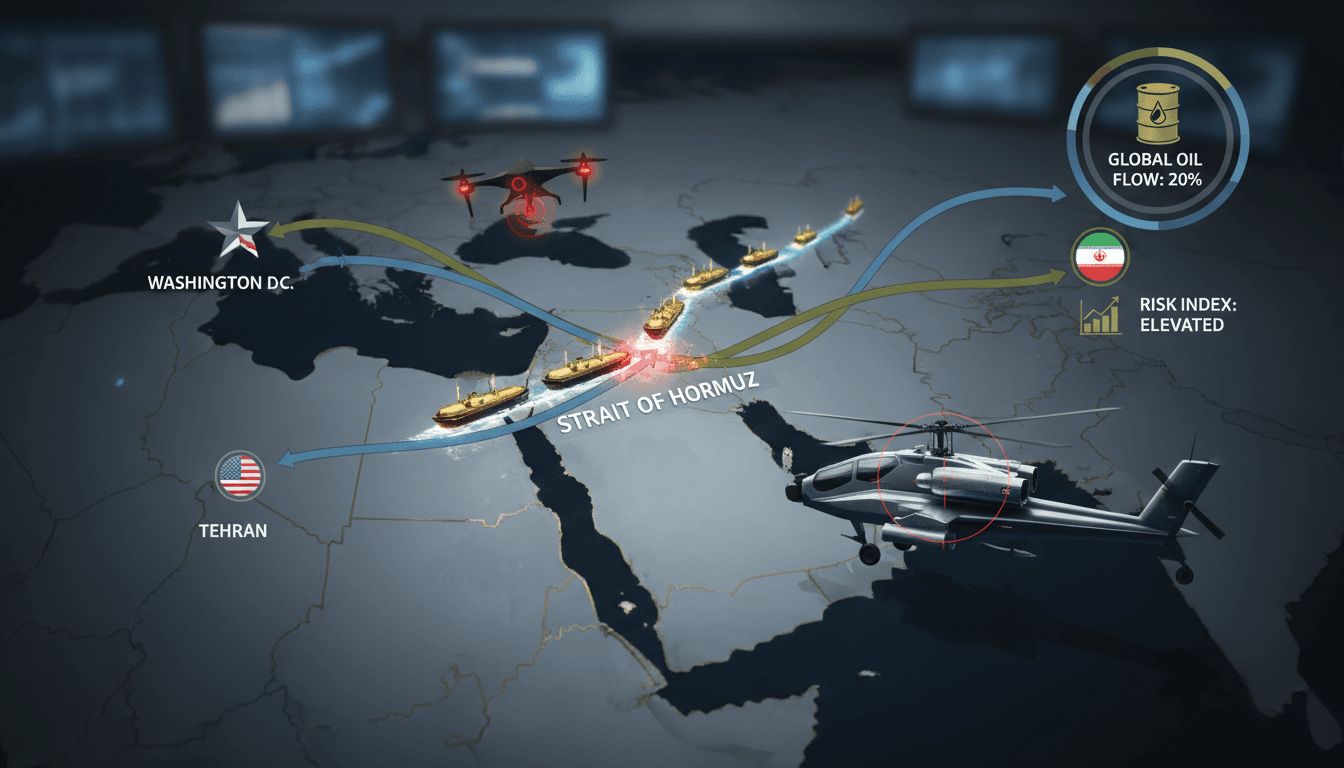
The ongoing military exchanges between the U.S. and Iran highlight a precarious balance in international relations, particularly in the strategically vital Strait of Hormuz. As Vice President JD Vance emphasizes the absence of cash payments in any potential peace deal, stakeholders must consider the implications for regional stability and U.S. economic interests. The situation underscores the urgency for diplomatic resolutions to prevent further escalation.
What happened
The U.S. administration, led by Vice President JD Vance, is currently engaged in military exchanges with Iran while discussing a potential peace deal. This dialogue has intensified following the downing of an Apache helicopter, which prompted U.S. military strikes against Iranian targets. Amid these tensions, Vance has stated that a peace agreement could be reached in the coming weeks or months, despite Iranian media reports asserting that Iran will not relinquish control over the Strait of Hormuz.
The military confrontations have raised concerns about the stability of the region, as both nations navigate a complex landscape of diplomacy and defense. Vance's remarks aim to clarify that cash payments will not be part of any proposed deal, countering claims circulating in Iranian media. This situation remains fluid, with ongoing military actions and diplomatic discussions shaping the future of U.S.-Iran relations.
The Context
The backdrop of this situation involves a series of military provocations that have strained U.S.-Iran relations. Vice President Vance's statements reflect a commitment to a diplomatic resolution that prioritizes U.S. economic interests and long-term security regarding Iran's nuclear capabilities. The downing of the Apache helicopter has escalated military tensions, necessitating urgent diplomatic efforts to avoid further conflict.
Iranian state media has reported that the country will maintain control over the Strait of Hormuz, a critical maritime route for global oil shipments. This assertion complicates the potential for a peace deal, as control over this strategic waterway is a significant point of contention. The timing of these developments is crucial, as both nations grapple with the implications of their military actions and the potential for a negotiated settlement.
Takeaway
As military tensions continue, the focus will be on whether diplomatic efforts can lead to a sustainable agreement that addresses both U.S. and Iranian concerns. Observers should monitor developments in U.S.-Iran negotiations closely, as any progress could significantly impact regional stability and international economic interests. The potential for further military actions in the region remains a critical factor in shaping the outcome of these discussions.
The situation is evolving, and the implications of a peace deal—or lack thereof—could redefine U.S.-Iran relations for years to come. Stakeholders must remain vigilant as the diplomatic landscape shifts in response to ongoing military engagements.
Capitol Hill news, legislation, and policy insight.
"The Hill specializes in U.S. politics and policy, with a focus on Capitol Hill developments and a reputation for insider reporting."
— A47 Editor
Vance: Iran will get no cash from deal with US
Vice President JD Vance has reiterated that Iran will not receive any cash from a proposed deal with the United States, countering claims made by Tehran regarding a potential memorandum of understanding. This statement follows President Trump's dismi...
Business, investment, entrepreneurship, leadership, and innovation.
"Forbes is known for its coverage of business leaders, market trends, and entrepreneurial ventures with a pro-business editorial stance."
— A47 Editor
Trump And Vance Angrily Deny Peace Deal Favors Iran
President Trump and Vance have vehemently denied claims that a proposed peace deal with Iran would compromise U.S. interests, particularly regarding control of the Strait of Hormuz. Iranian state media reported that Iran would retain its authority ov...
News from the United States including domestic politics, society, and culture.
"The Guardian is known for its progressive editorial stance and in-depth analysis, often advocating for social justice, environmental issues, and liberal values."
— A47 Editor
US and Iran exchange fire as Vance says deal could be months away | First Thing
The United States has conducted military strikes against Iran following the downing of an Apache helicopter near the Strait of Hormuz, with Iran retaliating by targeting American airbases in the region. Vice President JD Vance indicated that a peace ...