
Libya bans entry for citizens from four African countries amid rising migrant deaths
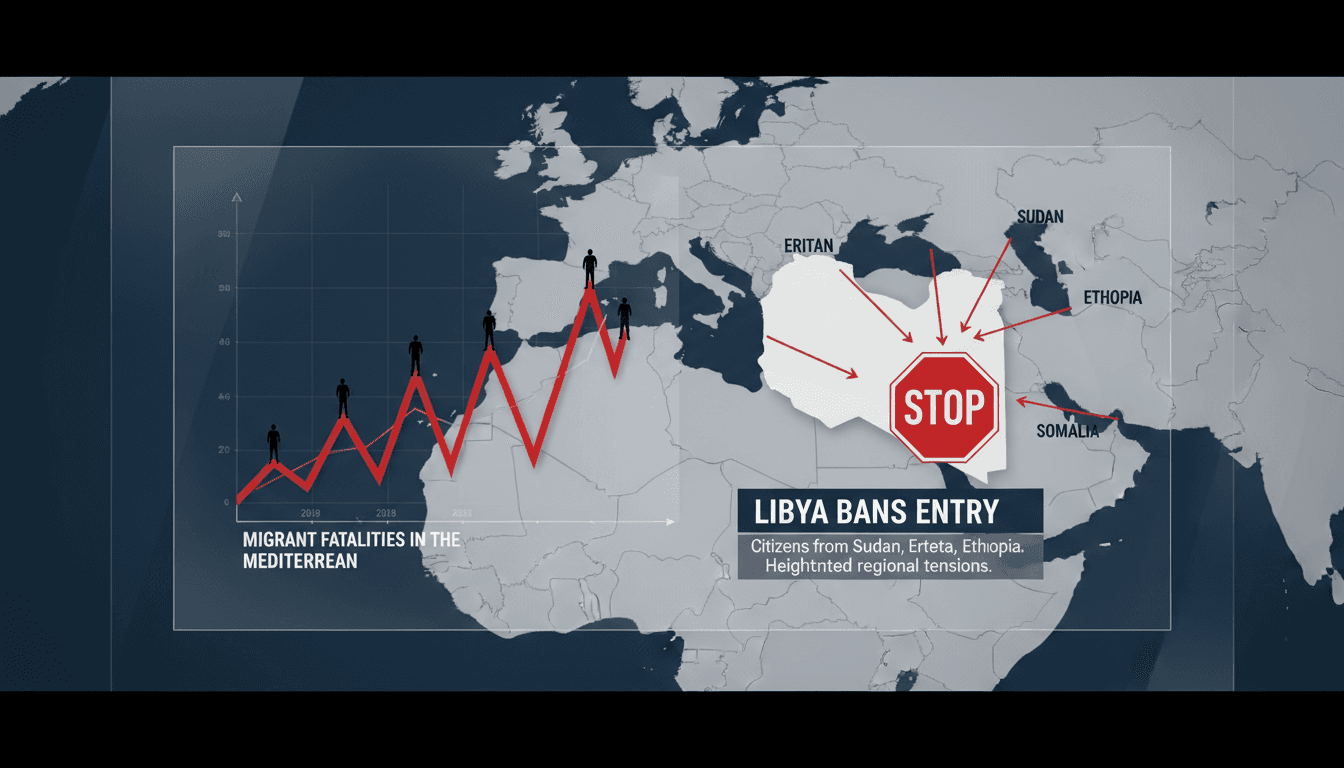
Here's what it means for you.
Libya's recent ban on nationals from Sudan, Eritrea, Ethiopia, and Somalia signals a significant shift in its migration policy, reflecting the country's struggle to manage increasing migrant fatalities at sea. This decision may lead to heightened tensions between humanitarian efforts and border security measures, impacting regional migration dynamics. Stakeholders, including humanitarian organizations and affected nations, will need to navigate the complexities of this policy as it unfolds.
What happened
Libyan authorities have enacted a ban on the entry of citizens from four African countries: Sudan, Eritrea, Ethiopia, and Somalia. This decision follows the tragic recovery of 26 migrant bodies off the coast of Tobruk, underscoring the perilous conditions faced by those attempting to cross the Mediterranean Sea. The ban applies to all land, sea, and air checkpoints, with exceptions made for diplomats and certain professionals.
The move aims to control the influx of migrants using Libya as a transit point to Europe, amidst ongoing humanitarian concerns. This policy reflects the urgent need to address the rising number of migrant fatalities, as Libya continues to grapple with its role in the broader migration crisis.
The Context
Libya has become a significant transit route for migrants fleeing conflict and poverty in sub-Saharan Africa, making it a focal point in the ongoing migration crisis. The recent ban was announced by Libyan Prime Minister Osama Hamad, highlighting the government's response to the alarming increase in migrant deaths at sea. Security patrols are currently ongoing along the shores of Tobruk to manage the situation and prevent further tragedies.
The decision comes at a time when the international community is increasingly concerned about the humanitarian implications of migration policies. As Libya attempts to balance border security with humanitarian obligations, the impact of this ban will be closely monitored by various stakeholders, including neighboring countries and humanitarian organizations.
Takeaway
The situation in Libya may lead to increased tensions regarding migration policies both within the country and in the broader region. Observers should monitor the impact of the entry ban on migrant flows and the responses from humanitarian organizations. Additionally, potential diplomatic reactions from the affected countries will be crucial in shaping the future of migration policies in the area.
As Libya continues to navigate these complex issues, the effectiveness of the entry ban and its humanitarian implications will be of significant interest to policymakers and advocates alike.
Pan-Arab news coverage spanning politics, business, sports, and regional affairs.
"Asharq Al-Awsat reflects a broad Arab editorial perspective with strong attention to regional geopolitics."
— A47 Editor
ليبيا: بنغازي لاحتواء «مخاطر الهجرة» بحظر دخول مواطني 4 دول أفريقية
The authorities in eastern Libya have reignited the debate over irregular migration by implementing a ban on the entry of citizens from four African countries through land, air, and sea routes. This decision reflects ongoing concerns regarding the ma...
English-language reporting on Saudi politics, policy, and society.
"Saudi Gazette reflects mainstream Saudi institutional perspectives."
— A47 Editor
Libya blocks entry for four nationalities as more bodies of migrants wash ashore
Authorities in eastern Libya have imposed a ban on the entry of citizens from Sudan, Eritrea, Ethiopia, and Somalia, aiming to reduce the influx of migrants using Libya's Mediterranean coast as a route to Europe. This decision follows the recovery of...
Arabic-language coverage of international news and geopolitics.
"RT Arabic is a Russian state-funded outlet often criticized for promoting Kremlin-aligned narratives."
— A47 Editor
حماد يحظر دخول مواطني 4 دول إفريقية إلى ليبيا ويأمر بترحيل المخالفين للإقامة
The Prime Minister of the Libyan government appointed by the parliament, Osama Hamad, has issued a decision prohibiting the entry of citizens from four African countries into Libya. This measure also includes orders for the deportation of individuals...