
Small Businesses Accelerate AI Adoption for Operational Efficiency
Here's what it means for you.
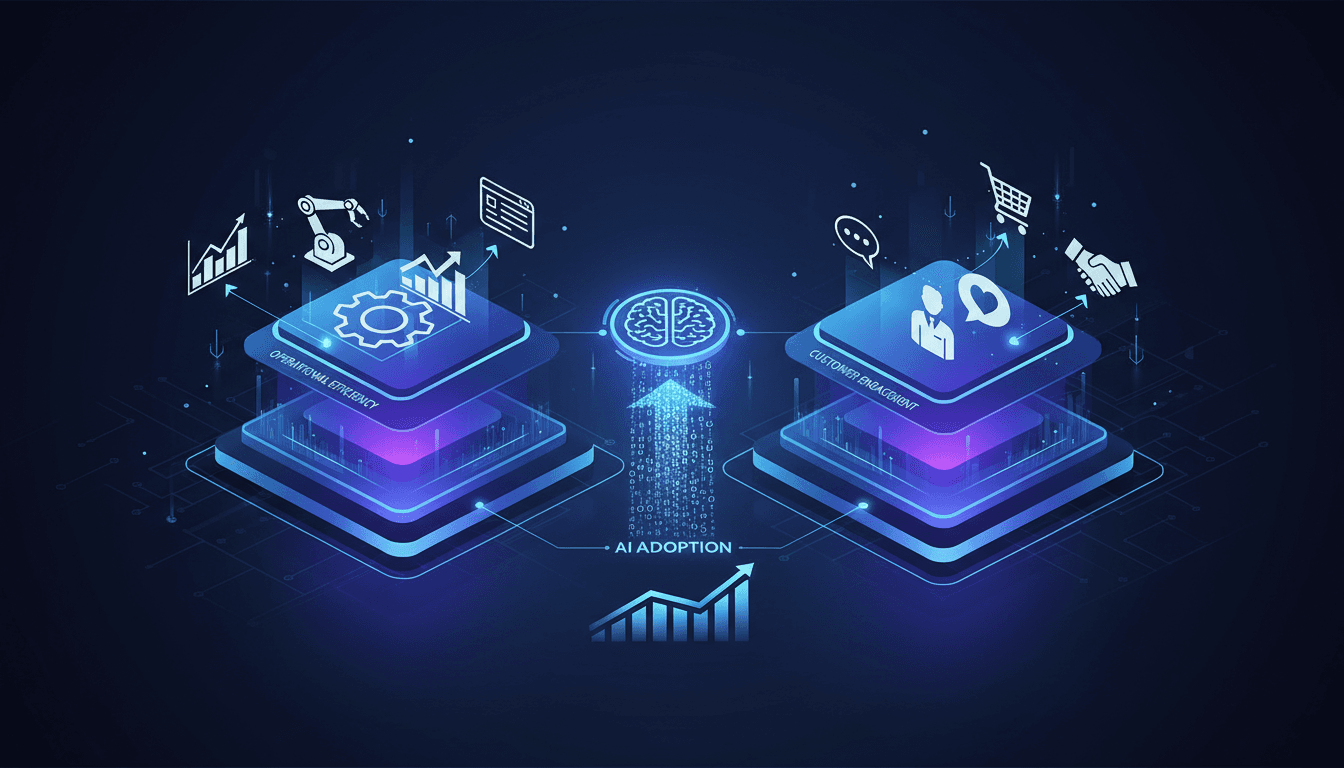
The integration of artificial intelligence into small businesses signifies a pivotal shift in operational strategies. As these enterprises adopt AI technologies, they enhance efficiency and improve customer interactions, which can lead to a competitive edge in the market. This trend not only transforms traditional business functions but also sets the stage for new growth management strategies. The implications extend beyond immediate operational benefits, potentially reshaping how small businesses engage with customers and manage their resources. As AI continues to evolve, its role in everyday business operations will likely expand, influencing various sectors.
What happened
Small businesses are increasingly utilizing artificial intelligence to enhance their operational efficiency and customer interactions. This trend marks a departure from AI's traditional stronghold in large enterprises, as smaller companies begin to leverage the technology for growth management. For instance, AI agents have been employed to assist a bakery in analyzing spreadsheets to optimize its operations.
Moreover, AI is starting to replace critical business functions, particularly in high-stakes conversations with enterprise buyers. This shift indicates a growing reliance on AI to facilitate important business dialogues, which could redefine customer engagement strategies.
The Context
The adoption of AI has disrupted various sectors, including customer service and software development, leading to significant changes in how businesses operate. Small businesses are now at the forefront of this transformation, leveraging AI to streamline processes and enhance decision-making. The deployment of AI in live business conversations represents a new frontier, allowing companies to engage more effectively with their clients.
As AI technology continues to advance, its integration into small business operations is expected to grow, leading to increased efficiency and the emergence of new business models. This evolution is crucial for small enterprises aiming to remain competitive in a rapidly changing market landscape.
Takeaway
Looking ahead, the future of AI in small businesses appears promising, with potential for deeper integration into various operational aspects. Stakeholders should monitor advancements in AI technology and be aware of regulatory changes that may impact its deployment in customer interactions. As AI continues to evolve, its influence on business operations will likely reshape traditional practices and foster innovative growth strategies.
The ongoing evolution of AI presents both opportunities and challenges for small businesses, making it essential for them to stay informed and adaptable in this dynamic environment.
Tech business coverage, major deals, product launches, and Silicon Valley trends.
"WSJ’s tech section offers authoritative reporting on the intersection of technology and business, including exclusive industry analysis."
— A47 Editor
AI Expands From Multibillion-Dollar Enterprises to Main Street
Artificial intelligence (AI) is increasingly being adopted by small businesses, exemplified by a bakery that utilized AI agents to analyze its spreadsheets and manage growth effectively. This marks a significant shift as AI technology, once primarily...
U.S. business news, corporate developments, and economy.
"The Wall Street Journal is respected for deep financial and economic reporting with a center-right editorial perspective."
— A47 Editor
AI Expands From Multibillion-Dollar Enterprises to Main Street
Artificial intelligence (AI) is increasingly being utilized by small businesses, exemplified by a bakery that employed AI agents to analyze its spreadsheets and facilitate its growth management. This marks a significant shift as AI technology, once c...
Stock market news, investing ideas, and trading analysis.
"TheStreet provides market news and retail-investor-focused analysis."
— A47 Editor
This AI shift is starting to replace a key business function
Artificial intelligence (AI) is increasingly being deployed to replace traditional business functions, particularly in high-stakes conversations between companies and their enterprise buyers. This shift follows the disruption of customer service and ...