
US Expands Travel Ban to Green-Card Holders from Ebola-Affected African Nations
Here's what it means for you.
The U.S. government's decision to expand its travel ban to include green-card holders reflects a significant shift in immigration policy amid health crises. This measure aims to safeguard public health by preventing the potential spread of Ebola from affected regions. Stakeholders in immigration and public health will need to monitor ongoing developments closely, as this could set a precedent for future health-related travel restrictions. As the situation evolves, businesses and individuals with ties to the affected regions may face increased scrutiny and challenges in travel. The implications of this ban could resonate throughout various sectors, particularly those reliant on international mobility.
What happened
The U.S. government has implemented a temporary ban on green-card holders who have traveled to specific African nations affected by Ebola. This restriction applies to individuals who visited the Democratic Republic of the Congo, Uganda, or South Sudan within the last 21 days. The order was officially issued on May 23, 2026, following an announcement the previous day.
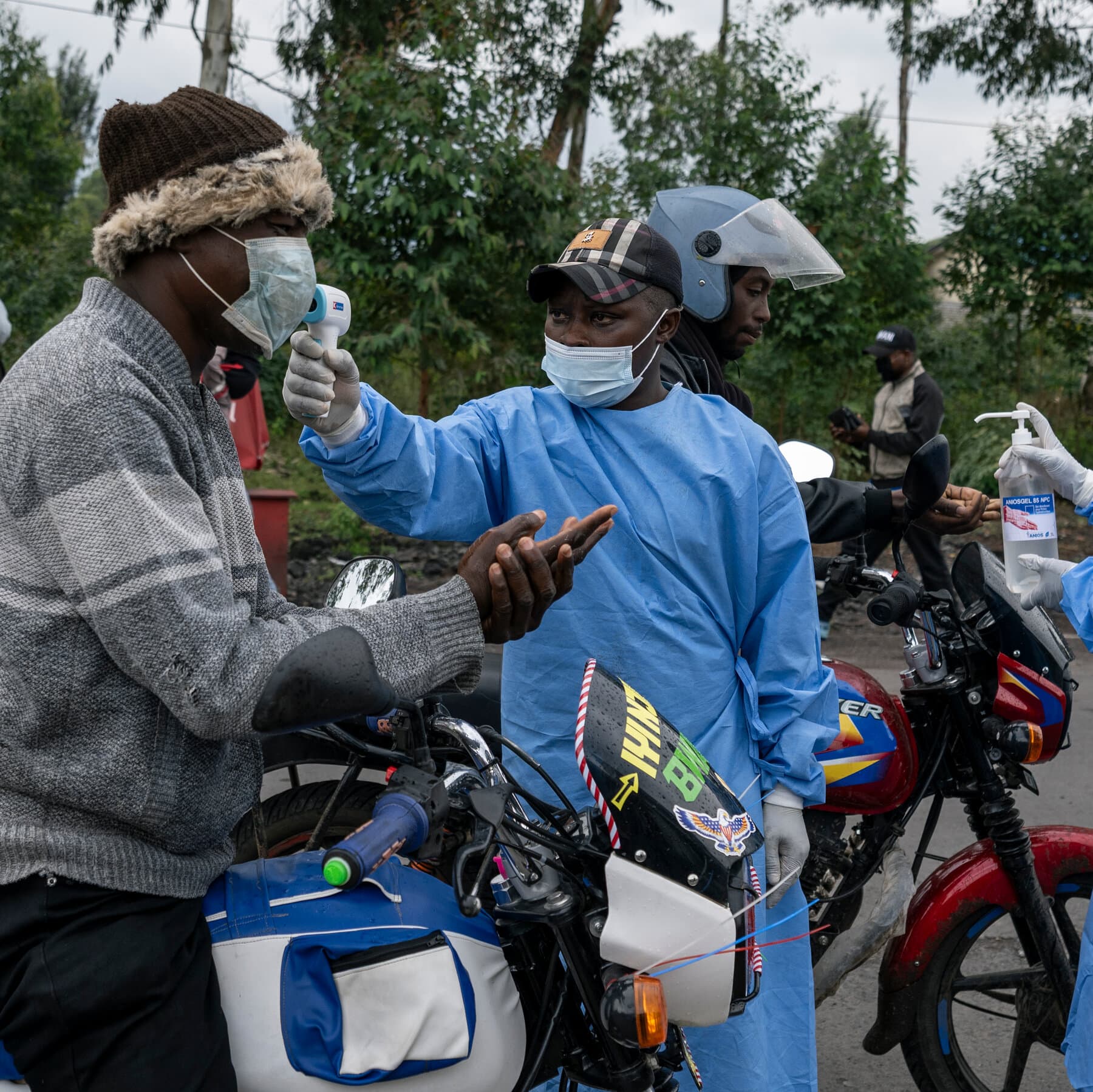
This measure is part of a broader effort to prevent the Ebola virus from entering the United States. Previously, only non-citizens faced restrictions after visiting these countries, but the expansion now includes green-card holders as well. Health checks are being conducted at checkpoints in the affected areas to further mitigate risks.
The Context
The decision to expand the travel ban comes amid rising health concerns regarding the Ebola outbreak in Central Africa. The Trump administration is increasing resources to support Central African nations affected by the virus, highlighting the urgency of the situation. This proactive approach aims to contain the outbreak and protect public health in the U.S.
The timing of this ban is critical, as it reflects a heightened awareness of the potential for infectious diseases to cross borders. By including green-card holders in the restrictions, the government is taking a more comprehensive stance on immigration and health safety. This could lead to ongoing adjustments in U.S. immigration policies in response to similar health crises in the future.
Takeaway
As the Ebola situation continues to develop, the U.S. may implement further travel restrictions to safeguard public health. Observers should monitor updates on the outbreak in Central Africa, as well as any potential changes in U.S. immigration policies related to health emergencies. The current ban serves as a reminder of the government's commitment to public safety amid global health challenges.
The implications of this travel ban may extend beyond immediate health concerns, potentially affecting international travel and immigration processes. Stakeholders should remain vigilant as the landscape evolves, anticipating further adjustments as necessary.
News from the United States including domestic politics, society, and culture.
"The Guardian is known for its progressive editorial stance and in-depth analysis, often advocating for social justice, environmental issues, and liberal values."
— A47 Editor
US temporarily bans green-card holders from entering country from African nations
The U.S. has implemented a temporary ban on green-card holders from entering the country if they have traveled to the Democratic Republic of the Congo, Uganda, or South Sudan within the last 21 days, as part of efforts to prevent the spread of Ebola....
Top international stories selected by The Guardian editors.
"The Guardian is known for its progressive editorial stance and in-depth analysis."
— A47 Editor
US temporarily bans green-card holders from entering country from African nations
The U.S. has implemented a temporary ban on green-card holders from entering the country if they have traveled to the Democratic Republic of the Congo, Uganda, or South Sudan within the last 21 days, as part of efforts to prevent the spread of Ebola....
Health trends, medical research, and fitness reporting.
"The New York Times is a globally recognized newspaper offering authoritative reporting with a center-left editorial stance."
— A47 Editor
U.S. to Block Entry to More Noncitizens Who May Have Been Exposed to Ebola
The Trump administration has announced an expansion of its entry ban to include legal permanent residents who have been in the Democratic Republic of Congo, Uganda, or South Sudan, amid rising concerns over Ebola exposure. This decision comes as heal...
Global political, business, and cultural coverage from WSJ international desks.
"The Wall Street Journal offers extensive international reporting with a reputation for financial insight and a center-right editorial stance."
— A47 Editor
U.S. Pauses Visa Issuance for People Who Have Visited Ebola-Hit Countries
The Trump administration has paused visa issuance for individuals who have visited countries affected by the Ebola outbreak, a move aimed at controlling the spread of the virus. This decision comes as the administration allocates resources to Central...
Arabic-language coverage of international news and geopolitics.
"RT Arabic is a Russian state-funded outlet often criticized for promoting Kremlin-aligned narratives."
— A47 Editor
الولايات المتحدة.. حظر دخول القادمين من 3 دول إفريقية بسبب فيروس إيبولا
The United States has implemented a travel ban for individuals who have visited the Democratic Republic of the Congo, Uganda, or South Sudan within the past 21 days due to an outbreak of the Ebola virus in these countries. This measure aims to preven...