
Socceroos Highlight Refugee Players Ahead of World Cup to Promote Inclusivity
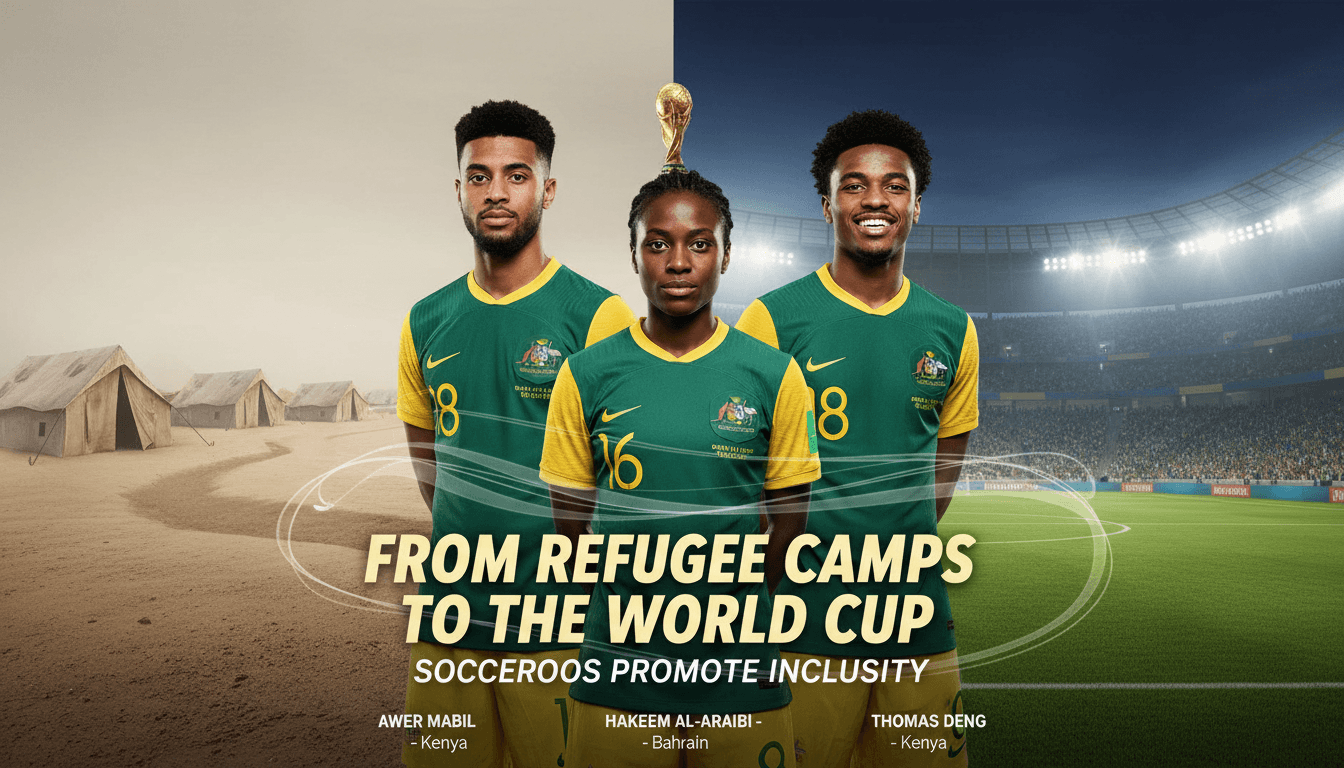
Here's what it means for you.
The Socceroos' initiative to spotlight players born in refugee camps underscores the importance of inclusivity in sports, particularly in a climate of rising anti-immigrant sentiment in Australia. By sharing these personal stories, the team aims to foster a more positive dialogue around multiculturalism, which could resonate beyond football and influence broader societal attitudes. This approach not only enhances the team's narrative but also aligns with global movements advocating for diversity and acceptance.
What happened
As the Socceroos prepare for the World Cup, they are showcasing the inspiring journeys of three players who were born in refugee camps. This initiative highlights Awer Mabil, Mohamed Touré, and Nestory Irankunda, each representing the diverse backgrounds that enrich the team. The focus on these players serves as a powerful reminder that football is a sport for everyone, regardless of their origins.
The Socceroos are set to open Group D play against Turkey on June 12, 2026, and have been training in Oakland, California, leading up to the tournament. This preparation period is crucial as the team aims to make a significant impact on the world stage while promoting a message of inclusivity.
The Context
The Socceroos have a storied history in World Cup participation, having advanced to the round of 16 twice. However, the current climate in Australia is marked by increasing anti-immigrant sentiment, prompting the team to take a stand for inclusivity. By highlighting the stories of Mabil, Touré, and Irankunda, the Socceroos are not only celebrating their players' diverse backgrounds but also addressing the challenges faced by many immigrants in Australia.
This initiative comes at a pivotal time when discussions around immigration and multiculturalism are particularly relevant. The Socceroos' actions may inspire a shift in public perception, encouraging acceptance and understanding within Australian society.
Takeaway
As the World Cup progresses, the Socceroos' emphasis on inclusivity could resonate with fans and contribute to a more positive dialogue surrounding immigration in Australia. The stories of Mabil, Touré, and Irankunda may inspire broader acceptance of multiculturalism, reinforcing the idea that diversity strengthens the fabric of society.
Fans and observers should monitor the team's journey in the tournament, as their performance and message could have lasting implications for discussions on immigration and inclusivity in sports and beyond.
Sports reporting covering UAE, regional, and major international competitions.
"Emirates 24|7 sports coverage is broad and audience-friendly, with notable attention to UAE and Gulf sporting interests."
— A47 Editor
Australia embraces immigrants on World Cup squad with message that football is for everyone Australia embraces immigrants on World Cup squad with message that football is for everyone
Ahead of Australia's opening World Cup match, the Socceroos are highlighting the contributions of immigrant players on their squad, emphasizing that football is for everyone. This initiative comes at a time when anti-immigrant sentiment is rising in ...
Pan-Arab news coverage spanning politics, business, sports, and regional affairs.
"Asharq Al-Awsat reflects a broad Arab editorial perspective with strong attention to regional geopolitics."
— A47 Editor
لاجئون من «أصول أفريقية» يبحثون عن هز الشباك لأستراليا في المونديال
Three players, born in refugee camps to parents who fled conflicts in Africa, are set to represent Australia in the World Cup, showcasing the evolving face of Australian football. Their participation highlights the diverse backgrounds contributing to...
Coverage of national news and events from across the United States.
"HuffPost is known for its progressive editorial stance, offering opinionated yet comprehensive coverage on social, political, and cultural topics."
— A47 Editor
The Remarkable Refugee Journey Behind Australia's New World Cup Heroes
Three players, born in refugee camps to parents displaced by conflict in Africa, are set to represent Australia in the upcoming World Cup, showcasing their remarkable journeys and resilience.