
Israeli military escalates operations against Hezbollah in southern Lebanon
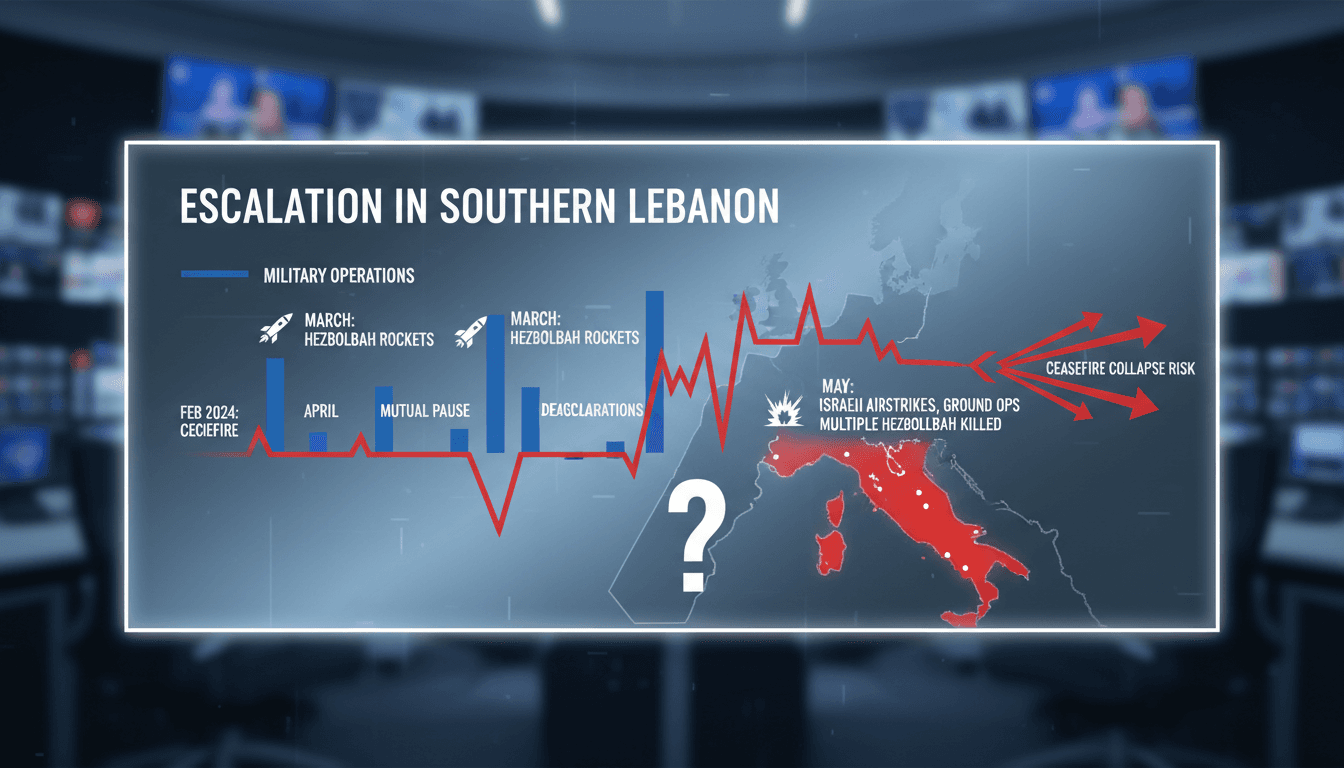
Here's what it means for you.
The intensification of Israeli military operations in southern Lebanon signals a critical juncture in regional stability. As violence escalates, the potential for broader conflict increases, impacting diplomatic negotiations and international relations. Stakeholders in the region must navigate the complexities of ongoing military actions while seeking pathways to peace.
What happened
The Israeli army has ramped up its military operations against Hezbollah in southern Lebanon, claiming to have killed multiple militants. Reports indicate that seven Hezbollah members were killed amid these ongoing operations. Despite a declared ceasefire, Israeli airstrikes and ground operations continue, resulting in significant casualties on both sides.
The conflict has seen over 4,100 deaths and more than 12,000 injuries in Lebanon since March. The Israeli military asserts that it has killed a total of 3,200 Hezbollah members since the conflict began, underscoring the scale of the violence. Four Israeli soldiers were also reported injured in a recent clash with militants.
The Context
Israel's military actions in southern Lebanon commenced on March 2, following a series of rocket attacks from Hezbollah targeting northern Israel. The situation has escalated despite ongoing negotiations between Israeli and Lebanese delegations in Washington, facilitated by the United States. The declared ceasefire has been repeatedly violated, raising concerns about the potential collapse of these negotiations.
The conflict's toll has been devastating, with thousands of casualties and injuries reported. The ongoing violence complicates the diplomatic landscape, as international efforts to mediate a ceasefire face significant challenges. The actions of both Israel and Hezbollah are closely monitored by global stakeholders, given the implications for regional security.
Takeaway
The situation remains volatile, with continued military actions likely to impact the ongoing negotiations for a ceasefire. As Israel intensifies its operations, the potential for further escalation looms large if diplomatic efforts falter. Observers should watch for developments in international diplomatic initiatives, which may influence the trajectory of the conflict.
The ongoing violence raises critical questions about the future of peace negotiations and the stability of the region. With both sides entrenched in their positions, the path forward remains fraught with uncertainty.
Pan-Arab news coverage spanning politics, business, sports, and regional affairs.
"Asharq Al-Awsat reflects a broad Arab editorial perspective with strong attention to regional geopolitics."
— A47 Editor
إسرائيل: قتلنا سبعة عناصر من «حزب الله» في جنوب لبنان
The Israeli army announced on Friday that it killed seven individuals it identified as members of Hezbollah, who were reportedly active near what is referred to as the 'security zone' in southern Lebanon.
Arabic-language coverage of political affairs and current events.
"Okaz political coverage typically follows mainstream Saudi framing on national and regional affairs."
— A47 Editor
غارات جوية وجرف وحرق بيوت.. إسرائيل تخرق وقف النار في لبنان
Despite a declared ceasefire, the Israeli military conducted airstrikes in southern Lebanon, targeting the outskirts of Nabatiyeh al-Fawqa and carrying out demolition and arson operations in the town of Markaba. A strange object from war remnants exp...
Arabic-language coverage of international news and geopolitics.
"RT Arabic is a Russian state-funded outlet often criticized for promoting Kremlin-aligned narratives."
— A47 Editor
الجيش الإسرائيلي يعلن تصفية 6 عناصر من حزب الله في جنوب لبنان (فيديو)
The Israeli army announced on Thursday evening that it targeted six members of Hezbollah in Zawtar al-Sharqiya after they approached Israeli forces in southern Lebanon. This incident highlights the ongoing tensions in the region and the potential for...