
Iran Declares No Compromise in U.S. Negotiations Amid Regional Mediation Efforts
Here's what it means for you.
Iran's firm stance in negotiations with the U.S. signals a potential escalation in regional tensions, which could have significant implications for global energy markets. The ongoing conflict in the Strait of Hormuz, a critical shipping route, raises concerns about supply disruptions. Stakeholders in energy sectors should closely monitor developments, as Iran's refusal to compromise may prolong instability in the region.
What happened
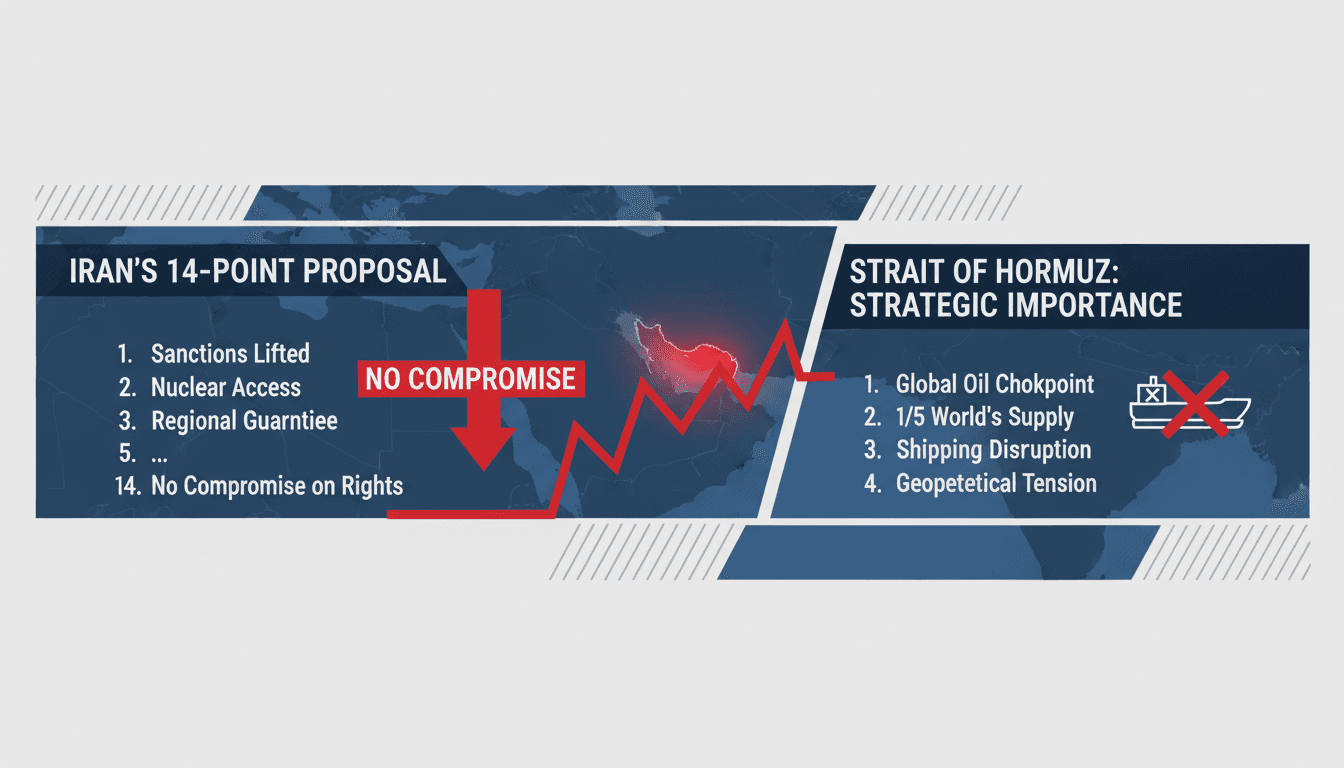
Iran's top negotiator, Mohammad Baqer Qalibaf, has declared that the country will not compromise in ongoing talks with the U.S. This announcement coincides with a regional mediation effort led by Pakistan, aimed at addressing tensions that have arisen from a recent conflict disrupting shipping in the Strait of Hormuz. The negotiations revolve around a 14-point document proposed by Iran, which outlines its demands.
Iran has accused the U.S. of dishonesty during the negotiations, further complicating the dialogue. The Strait of Hormuz remains largely closed to shipping due to the ongoing conflict, exacerbating the situation. As these talks unfold, the stakes are high for both local and global stability.
The Context
The backdrop of these negotiations is a complex web of regional tensions, particularly following a conflict that has significantly impacted shipping routes. The involvement of Pakistan as a mediator highlights the international ramifications of the dispute, as it seeks to facilitate dialogue between the two nations. The timing of these negotiations is critical, given the heightened geopolitical climate in the region.
Iran's refusal to compromise underscores its commitment to national rights, which it views as non-negotiable. The 14-point document proposed by Iran serves as a central element in the discussions, reflecting the country's strategic priorities. As the situation evolves, the implications for energy markets and regional stability remain a pressing concern.
Takeaway
Looking ahead, the lack of compromise from Iran could lead to further escalations in the region, impacting both local stability and global energy markets. Observers should watch for potential developments in the mediation efforts led by Pakistan, as well as reactions from the U.S. regarding Iran's firm stance. The outcome of these negotiations will be pivotal in shaping the future dynamics of U.S.-Iran relations and regional security.
As the situation continues to unfold, stakeholders must remain vigilant to the potential consequences of these negotiations. The interplay between diplomatic efforts and regional tensions will be crucial in determining the trajectory of this ongoing conflict.
Regional coverage and analysis focused on politics, diplomacy, and business across the Middle East.
"Al-Monitor is known for analytical reporting on Middle East politics and policy developments."
— A47 Editor
Iran's top negotiator says Tehran will not compromise in talks with US
Iran's top negotiator, Mohammad Baqer Qalibaf, asserted that Tehran will not compromise on its national rights during discussions with Pakistan's army chief, Asim Munir, in Tehran. This statement comes amid ongoing tensions and a regional mediation e...
Coverage of national news and events from across the United States.
"HuffPost is known for its progressive editorial stance, offering opinionated yet comprehensive coverage on social, political, and cultural topics."
— A47 Editor
Iran's Top Negotiator Says Tehran Will Not Compromise In Talks With U.S.
Iran's chief negotiator has stated that Tehran will not compromise in ongoing talks with the U.S., which are centered around a 14-point document proposed by Iran. This declaration comes amid a backdrop of heightened tensions and stalled diplomatic ef...
Global coverage of politics, crises, and international affairs.
"HuffPost provides progressive-oriented reporting on international developments, often focusing on humanitarian and social justice issues."
— A47 Editor
Iran's Top Negotiator Says Tehran Will Not Compromise In Talks With U.S.
Iran's chief negotiator has stated that Tehran will not compromise in ongoing talks with the U.S., which are centered around a 14-point document proposed by Iran. This declaration comes amid a backdrop of heightened tensions and stalled diplomatic ef...
Oil, metals, and agriculture: supply/demand headlines, OPEC chatter, inventories, and price action.
"Solid tape for energy and metals traders tracking macro and micro catalysts."
— A47 Editor
Iran’s top negotiator says Tehran will not compromise in talks with US
Iran's chief negotiator has stated that Tehran will not make concessions in ongoing discussions with the United States, reflecting a firm stance amid heightened geopolitical tensions. This declaration underscores Iran's commitment to its nuclear prog...