
U.S. Senate Blocks Democratic Resolution to Limit Trump's War Powers on Iran
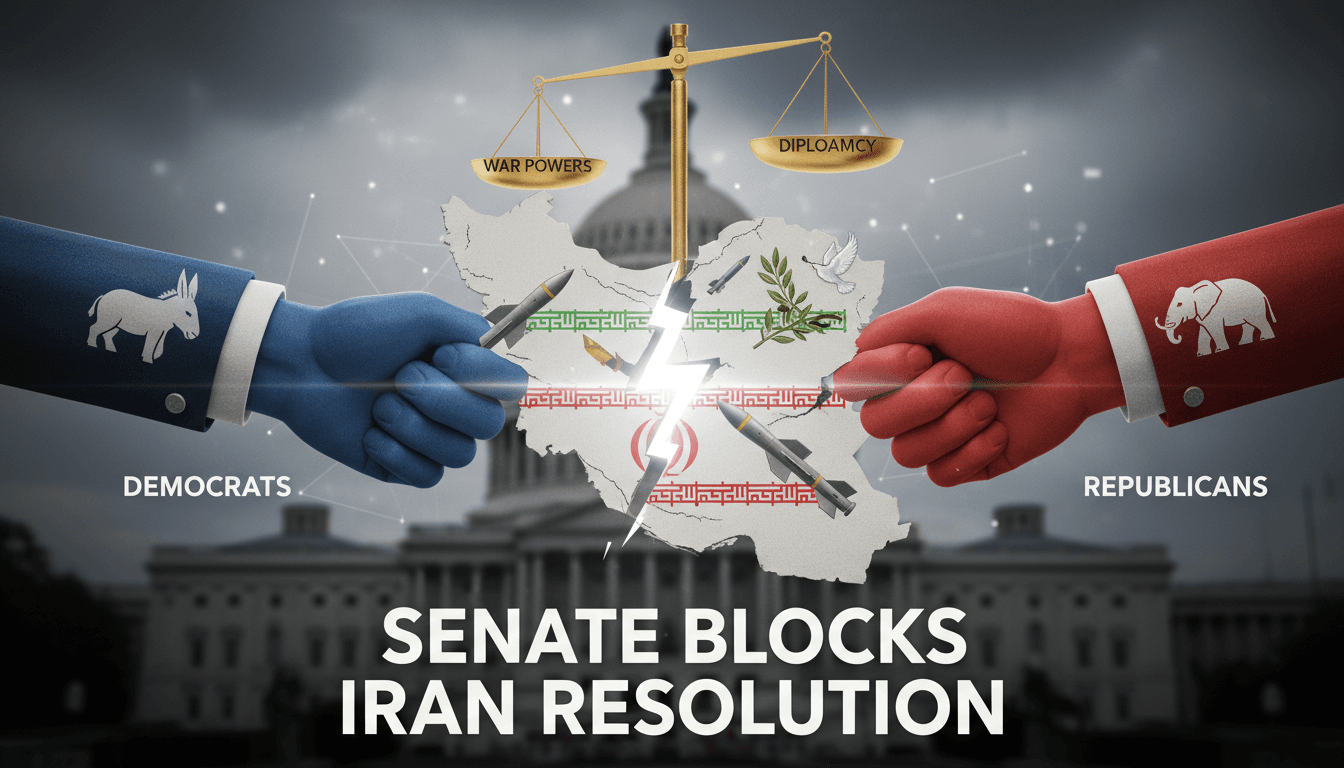
Here's what it means for you.
The Senate's recent vote to reject a Democratic resolution limiting President Trump's military authority regarding Iran underscores the ongoing partisan divide in Congress. This decision may have significant implications for U.S. foreign policy and military engagement in the region, particularly as peace negotiations continue. Stakeholders in both parties will need to navigate these tensions as they shape future military strategies and legislative actions. The rejection of this resolution highlights the complexities of congressional oversight in military matters, especially in the context of ongoing negotiations with Iran. As the political landscape evolves, the implications for U.S. military authority and international relations will be closely monitored.
What happened
The U.S. Senate voted 48-47 to block a Democratic resolution aimed at curbing President Trump's military authority regarding Iran. This marks the ninth attempt by Democrats to rein in Trump's war powers since the conflict escalated in February. The resolution sought to invoke the war powers law, reflecting a broader Democratic effort to ensure congressional authorization for military actions.
Senate Republicans opposed the resolution, allowing Trump to continue negotiations with Iran. Earlier in the week, a framework agreement for a ceasefire and further talks was announced by the White House and Tehran, adding urgency to the Senate's decision.
The Context
The Senate's rejection of the resolution reflects ongoing tensions between the two parties over military authority and the handling of the Iran conflict. Since February, the Senate has blocked nine Democratic efforts to end the Iran war, indicating a persistent divide on military engagement. As negotiations progress, the political struggle over war powers is likely to continue, impacting future U.S. foreign policy.
Republicans support Trump's negotiation strategy, while Democrats seek to assert congressional oversight. This dynamic complicates the legislative landscape as both parties navigate the implications of military actions and diplomatic efforts in the region.
Takeaway
The ongoing political struggle over war powers suggests that future negotiations with Iran will continue to be contentious. Potential future attempts by Democrats to limit Trump's military authority are likely, as they seek to regain control over military decisions. Developments in the peace negotiations between the U.S. and Iran will also be critical to watch, as they may influence congressional actions and public sentiment.
As the political dynamics in Congress evolve, the implications for U.S. foreign policy and military engagement will remain significant. Stakeholders will need to stay attuned to these developments as they unfold.
Regional coverage and analysis focused on politics, diplomacy, and business across the Middle East.
"Al-Monitor is known for analytical reporting on Middle East politics and policy developments."
— A47 Editor
US Senate narrowly blocks new bid to rein in Trump war powers
<p>By Patricia Zengerle</p><p>WASHINGTON, June 16 (Reuters) - The U.S. Senate on Tuesday narrowly blocked the latest Democratic-led effort to end the Iran war until it is authorized by Congress, the ninth by Democrats since Israel and the United Stat...
Conservative-leaning political and national coverage.
"The Washington Times is a conservative-leaning newspaper known for its political coverage and advocacy of right-of-center viewpoints."
— A47 Editor
Senate rejects another Democrat-led effort to end Iran war despite peace deal
Senate Democrats, not confident President Trump's first-stage peace deal with Iran will hold, are continuing their push for Congress to formally end the war.
Conservative-leaning coverage of current events.
"Fox News is a highly influential conservative news outlet known for right-leaning political commentary and coverage."
— A47 Editor
Republicans bat down bid to handcuff Trump’s war powers as peace deal nears
Senate Republicans block Sen. Warnock's war powers resolution on Iran as a peace deal takes shape, giving Trump room to continue negotiations.