
Polestar barred from U.S. market due to new regulations on Chinese software
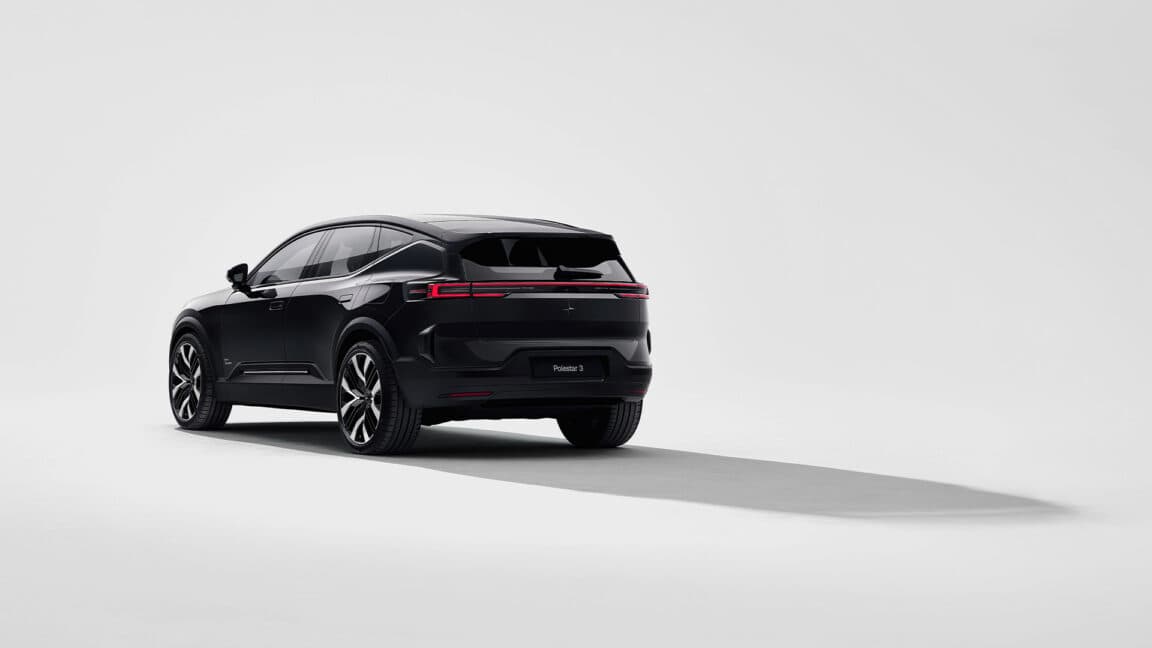
Here's what it means for you.
Polestar's inability to sell new electric vehicles in the U.S. starting from model year 2027 signals a significant shift in the regulatory landscape for foreign automakers. This decision may compel other manufacturers linked to China to reevaluate their market strategies in the U.S. as scrutiny intensifies. The implications extend beyond Polestar, potentially reshaping the competitive dynamics within the electric vehicle sector. As the U.S. government tightens regulations, the automotive industry must adapt to a new reality where compliance with national security concerns takes precedence. This could lead to a more fragmented market, impacting consumer choices and innovation.
What happened
The U.S. government has officially denied Polestar authorization to sell its electric vehicles from model year 2027 onward. This decision stems from a new rule that prohibits vehicles equipped with Chinese software, reflecting heightened regulatory scrutiny on foreign-owned automakers. As a result, Polestar, owned by the Chinese company Geely, faces a significant setback in one of its key markets.
The announcement was made on June 25, 2026, marking a pivotal moment for the company as it prepares to withdraw from the U.S. market. This regulatory action underscores the growing tensions between the U.S. and China, particularly in the automotive sector.
The Context
Polestar's ban is part of a broader trend of tightening regulations aimed at foreign-owned automakers operating in the U.S. The Connected Vehicle Rule specifically targets software from China, impacting multiple manufacturers and raising concerns about national security. This regulatory environment poses challenges not only for Polestar but also for other companies with similar ties to China.
The decision was made by the Department of Commerce under the Trump administration, highlighting the ongoing geopolitical tensions that influence market access for foreign companies. As the U.S. government continues to scrutinize foreign investments, the automotive industry must navigate an increasingly complex regulatory landscape.
Takeaway
Polestar's exit from the U.S. market may prompt other foreign electric vehicle manufacturers to reassess their strategies in light of increasing regulatory scrutiny. Stakeholders will be closely watching potential responses from other Chinese-owned EV manufacturers regarding their market strategies in the U.S.
Future developments in U.S. regulations could further impact foreign automakers, leading to additional restrictions that may reshape the competitive landscape. As the situation evolves, the automotive industry must remain agile to adapt to these changes.
Global business headlines with AI angles.
"General business outlet that frequently covers AI."
— A47 Editor
US Denies Polestar Authorization To Sell Vehicles From 2027, Tightening Pressure On China-Linked EV Makers
The United States has denied Polestar authorization to sell its electric vehicles starting from model year 2027, effectively barring the Sweden-based manufacturer from introducing new models in the U.S. market. This decision is part of a broader regu...
Consumer tech and culture with frequent AI coverage.
"Influential tech outlet covering AI products and policy."
— A47 Editor
Polestar has been muscled out of the US market
Polestar has been denied authorization by the U.S. government to sell its electric vehicles for model year 2027 and beyond, following a new rule that bans vehicles with software from China. This decision marks a significant setback for the company, w...
Tech news, reviews, and analysis of consumer electronics, science, art, and culture.
"The Verge is a technology-focused media outlet known for in-depth reporting, product reviews, and coverage of the intersection between technology and culture."
— A47 Editor
Polestar has been muscled out of the US market
Polestar has been denied authorization by the U.S. government to sell its electric vehicles for model year 2027 and beyond, following a new rule that bans vehicles with software from China. This decision marks a significant setback for the company, w...
Opinionated AI coverage for general audiences.
"TNW’s AI vertical covering tools, ethics, and trends."
— A47 Editor
Trump administration bars Polestar from selling new EVs in the US under Connected Vehicle Rule
The Trump administration has denied Polestar, a Chinese-owned electric vehicle manufacturer, authorization to sell new EVs in the United States under the Connected Vehicle Rule, marking a significant regulatory setback for the company. This decision ...
U.S. business news, corporate developments, and economy.
"The Wall Street Journal is respected for deep financial and economic reporting with a center-right editorial perspective."
— A47 Editor
U.S. Bans Polestar, Chinese-Owned EV Maker, From Selling Cars in the U.S.
The U.S. government has implemented a rule that prohibits the use of Chinese software in vehicles, leading Polestar, a Chinese-owned electric vehicle manufacturer, to withdraw from the U.S. market. This decision marks a significant shift in the compe...
Startup news with frequent AI coverage.
"Covers launches, funding, and product updates in AI."
— A47 Editor
Trump administration bars Polestar from selling its new EVs in the US
The Trump administration has denied Polestar, a Chinese-owned electric vehicle manufacturer, authorization to sell its new EVs in the U.S., following a decision by the Department of Commerce. This ruling prevents Polestar from introducing new models ...
In-depth coverage of hardware, software, science, and policy.
"Ars Technica provides expert technology news, hardware reviews, and analysis for a technically savvy audience."
— A47 Editor
Feds deny Polestar authorization to sell cars in US from model year 2027
The U.S. government has denied Polestar authorization to sell its vehicles in the country starting from model year 2027, marking a significant setback for the electric vehicle manufacturer. Unlike its parent company, Volvo, which has received approva...
In-depth reporting on tech, policy, and science including AI.
"Respected analysis for technically savvy readers, including AI topics."
— A47 Editor
Feds deny Polestar authorization to sell cars in US from model year 2027
The U.S. government has denied Polestar authorization to sell its vehicles in the country starting from model year 2027, marking a significant setback for the electric vehicle manufacturer. Unlike its parent company, Volvo, which has received approva...