
UniCredit Warns Europe Unprepared for Crypto Bank Crisis Under MiCA Regulations
Here's what it means for you.
The warning from UniCredit highlights significant vulnerabilities in Europe's regulatory framework for crypto banks. As the cryptocurrency market expands, the adequacy of protections for depositors becomes increasingly critical. Stakeholders must pay close attention to how these regulations evolve to ensure financial stability and consumer protection.
What happened
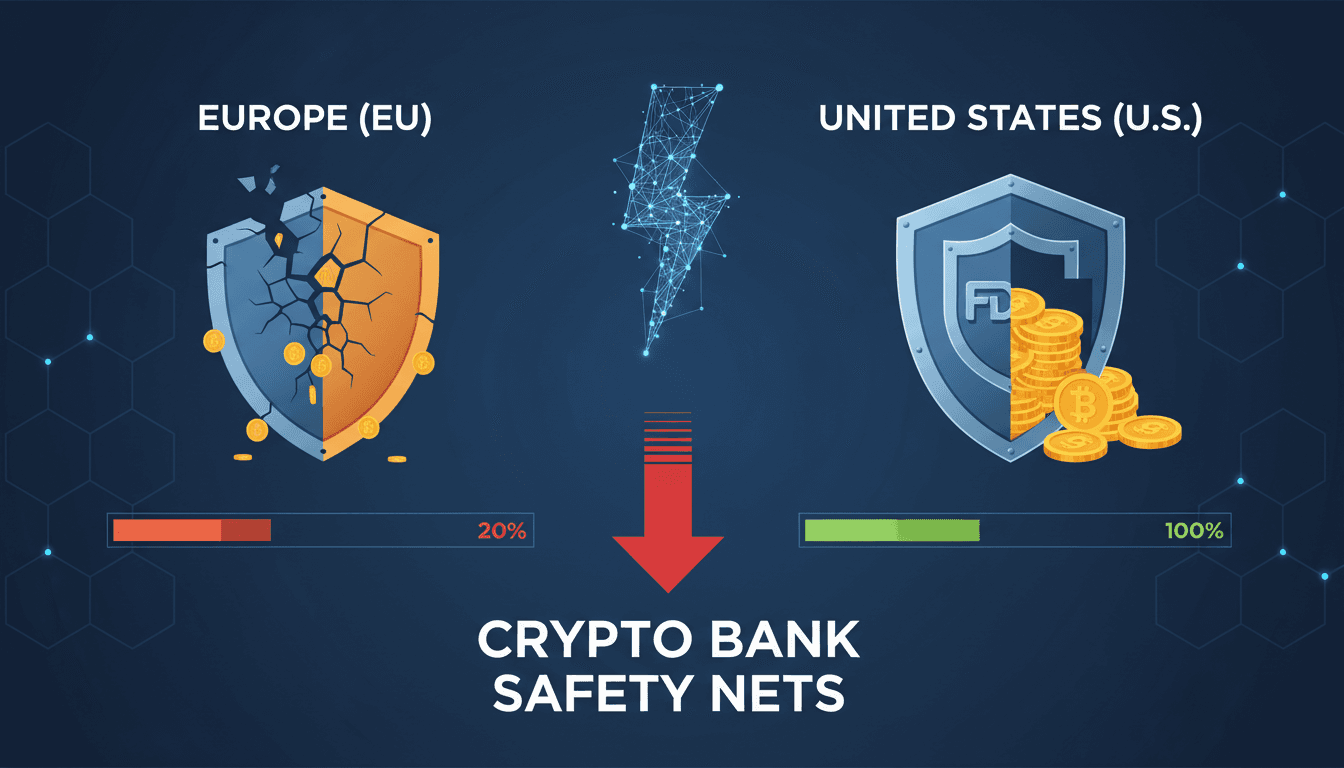
Elena Carletti, a director at UniCredit, has raised alarms regarding Europe's preparedness for potential crises involving crypto banks, particularly under the new MiCA regulations. She emphasized that the EU's deposit insurance, which covers a maximum of €100,000, may not provide sufficient protection compared to the more comprehensive safeguards available in the U.S. This concern is particularly pressing given the growing instability surrounding large stablecoin reserves.
UniCredit's warnings indicate that Europe could struggle to manage a crisis in the crypto banking sector if it arises. The limitations of current regulations could leave depositors vulnerable in the face of significant financial shocks. As discussions unfold, the effectiveness of the MiCA regulations will be crucial in determining the future stability of crypto banking in Europe.
The Context
The Markets in Crypto-Assets (MiCA) regulations aim to establish a comprehensive framework for crypto assets within the EU. However, the current deposit insurance system falls short when compared to U.S. standards, which offer full protection for depositors. This disparity raises concerns about the stability of the crypto banking sector, especially as the market continues to grow.
As the cryptocurrency landscape evolves, the need for robust regulatory measures becomes increasingly urgent. Stakeholders, including regulators and financial institutions, must navigate these challenges to protect consumers and maintain financial stability. The timing of these discussions is critical, as the potential for a crisis looms over the sector.
Takeaway
The future of crypto banking in Europe hinges on how regulators adapt to the evolving landscape and implement effective consumer protections. Observers should watch for potential regulatory changes in the EU regarding crypto assets, as well as market reactions to any emerging crises linked to crypto banks. The effectiveness of MiCA regulations will play a pivotal role in safeguarding against future financial instability.
As the market matures, the focus will be on ensuring that the regulatory framework can withstand the pressures of a rapidly changing financial environment. Stakeholders must remain vigilant to ensure that adequate measures are in place to protect consumers and maintain confidence in the financial system.
Real-time updates, analysis, and reports on the blockchain and cryptocurrency sectors.
"Crypto News delivers real-time updates, analysis, and reports on the blockchain and cryptocurrency sectors."
— A47 Editor
UniCredit warns Europe faces crypto bank crisis
UniCredit's deputy vice chair, Elena Carletti, has issued a warning that Europe may face significant challenges in managing a potential crisis involving crypto banks under the new Markets in Crypto-Assets (MiCA) regulations. This concern arises from ...
Covers blockchain, cryptocurrency news, project analysis, and market insights.
"CoinDesk is a well-established cryptocurrency and blockchain news provider, offering comprehensive insights, market data, and industry research."
— A47 Editor
UniCredit warns Europe may struggle to contain crypto-bank crisis under MiCA rules
UniCredit has issued a warning that Europe may face challenges in managing a potential crisis involving crypto banks under the new Markets in Crypto-Assets (MiCA) regulations, particularly due to the limitations of EU deposit insurance, which only co...
Macro commentary, policy analysis, growth/inflation themes, and global outlooks.
"Contextual macro coverage that complements day-to-day market headlines."
— A47 Editor
Europe less able than US to contain crypto-bank shocks, UniCredit director says
A UniCredit director has stated that Europe is less equipped than the United States to manage shocks from the cryptocurrency banking sector, highlighting vulnerabilities in the European financial landscape.