
U.S. military conducts airstrikes on Iranian targets in response to maritime threats
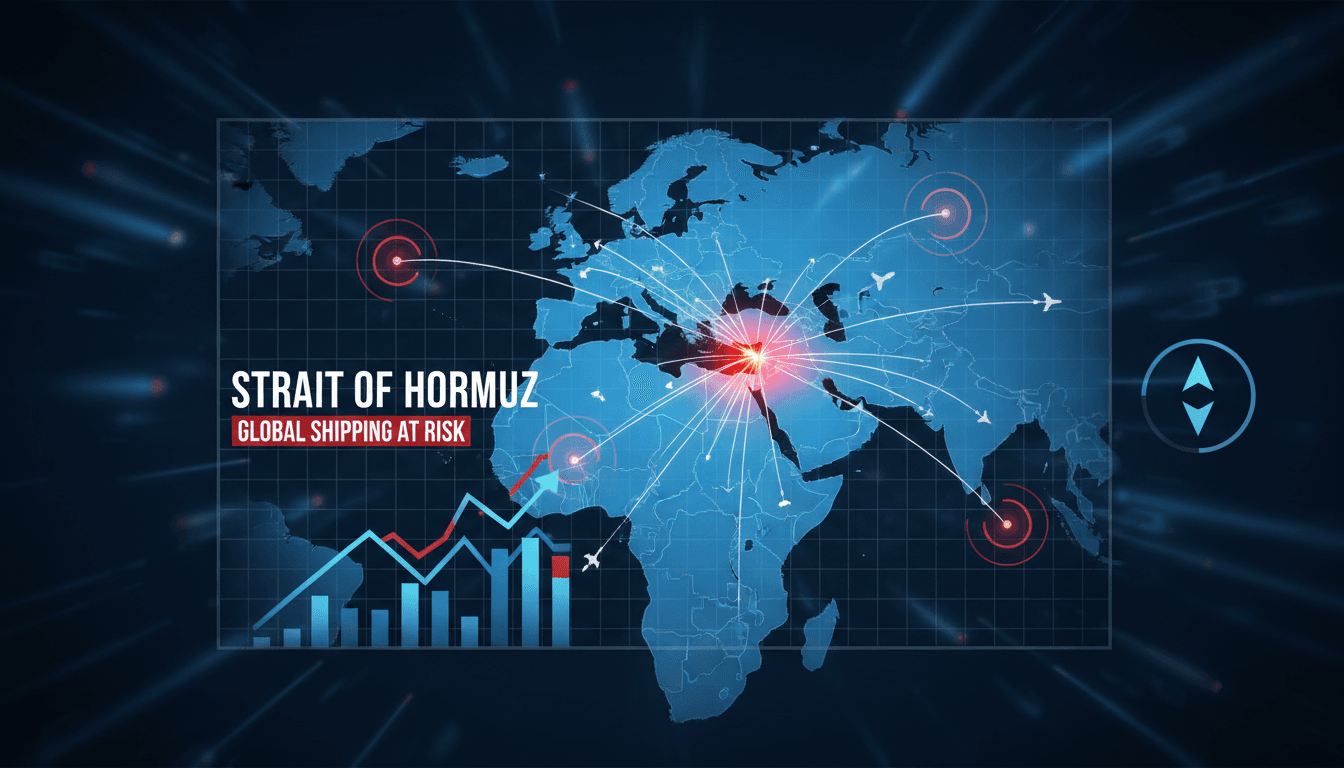
Here's what it means for you.
The recent U.S. airstrikes against Iranian targets signal a significant escalation in military tensions in the Middle East, particularly concerning maritime security. This development could have far-reaching implications for global shipping routes, especially in the strategically vital Strait of Hormuz, where a substantial portion of the world's oil supply transits. Stakeholders in the energy sector and international trade should closely monitor the situation, as further military actions may disrupt maritime operations and increase shipping costs. As the U.S. aims to ensure freedom of navigation, the potential for retaliatory actions from Iran could lead to a cycle of escalation that impacts regional stability. Businesses and policymakers must prepare for the possibility of heightened tensions and consider the implications for energy prices and supply chains.
What happened
The U.S. military has launched a series of airstrikes targeting over 80 Iranian sites to counter threats to maritime navigation in the Strait of Hormuz. This military action was announced by the U.S. Central Command, marking a decisive response to recent Iranian attacks on commercial vessels in the region. The airstrikes commenced on July 7, 2026, and were aimed at diminishing Iran's capability to threaten maritime traffic.
Reports indicate that explosions were heard in southern Iran following the strikes, although there have been no confirmed casualties reported as of now. The scale of the operation underscores the U.S. commitment to maintaining security in a region critical to global trade.
The Context
The airstrikes come in the wake of Iranian attacks on three commercial ships, raising alarms about the safety of maritime navigation in the Strait of Hormuz. This waterway is a crucial artery for international shipping, particularly for oil transport, making the U.S. response vital for ensuring freedom of navigation. The ongoing tensions between the U.S. and Iran have been exacerbated by a series of provocations, leading to this military escalation.
The situation is further complicated by the geopolitical landscape, where both nations are likely to maintain aggressive military postures. The U.S. aims to deter Iranian aggression while Iran may seek to retaliate, potentially leading to a cycle of conflict that could destabilize the region.
Takeaway
As the situation unfolds, the potential for further military engagement remains high. Observers should watch for possible Iranian retaliation to the U.S. airstrikes, which could escalate tensions further. Additionally, international reactions to these military actions will be crucial in shaping the response from both sides.
The implications for regional stability and global shipping routes are significant, and stakeholders must remain vigilant. The ongoing provocations suggest that both the U.S. and Iran are likely to continue their military operations, raising concerns about the future of maritime security in the region.
Pan-Arab news coverage spanning politics, business, sports, and regional affairs.
"Asharq Al-Awsat reflects a broad Arab editorial perspective with strong attention to regional geopolitics."
— A47 Editor
الجيش الأميركي يعلن شن غارات جديدة على إيران
The U.S. military announced on Wednesday that it has begun additional strikes against Iran, aiming to weaken Tehran's ability to threaten maritime freedom in the Strait of Hormuz. This escalation highlights ongoing tensions in the region and the U.S....
Arabic-language political and world news coverage for UAE readers.
"Emarat Al Youm world coverage usually presents international developments through a UAE and Arab audience lens."
— A47 Editor
القيادة المركزية الأميركية تعلن شن غارات على إيران القيادة المركزية الأميركية تعلن شن غارات على إيران
The U.S. Central Command has announced airstrikes targeting Iranian positions aimed at undermining Iran's ability to threaten maritime freedom in the Strait of Hormuz. This military action reflects ongoing tensions in the region and highlights the U....
Arabic-language coverage of international news and geopolitics.
"RT Arabic is a Russian state-funded outlet often criticized for promoting Kremlin-aligned narratives."
— A47 Editor
القيادة المركزية الأمريكية: نشن ضربات إضافية على إيران
The U.S. Central Command (CENTCOM) has announced that, under the direction of the Commander-in-Chief, it has initiated additional strikes against Iran to undermine its ability to threaten maritime navigation in the Strait of Hormuz.
Arabic-language political and world news coverage for UAE readers.
"Emarat Al Youm world coverage usually presents international developments through a UAE and Arab audience lens."
— A47 Editor
أميركا تعلن انتهاء جولة جديدة من الهجمات على إيران أميركا تعلن انتهاء جولة جديدة من الهجمات على إيران
The U.S. Central Command announced the completion of a new round of attacks on Iran, stating that over 80 targets were struck during this operation. This escalation reflects ongoing tensions between the U.S. and Iran, highlighting the military engage...
Arabic-language coverage of Saudi, regional, and international affairs.
"Al Bilad offers mainstream Saudi newspaper coverage across domestic and broader Arab topics."
— A47 Editor
أمريكا تشن سلسلة ضربات قوية على إيران
The U.S. Central Command announced that the military has conducted a series of strikes against Iran in response to Iranian attacks on three commercial vessels transiting the Strait of Hormuz. Loud explosions were reported in the coastal city of Sirik...
Arabic-language political and world news coverage for UAE readers.
"Emarat Al Youm world coverage usually presents international developments through a UAE and Arab audience lens."
— A47 Editor
الجيش الأميركي: قواتنا بدأت شن سلسلة من الضربات القوية على إيران الجيش الأميركي: قواتنا بدأت شن سلسلة من الضربات القوية على إيران
The U.S. Central Command announced on Tuesday via a post on X platform that the military has initiated a series of strong strikes against Iran. This escalation marks a significant development in U.S.-Iran relations, indicating a shift towards more ag...