
NATO Secretary-General Reassures on US Commitment Amid Military Contribution Adjustments
Here's what it means for you.
The reassurance from NATO Secretary-General Mark Rutte regarding U.S. commitment to the alliance is significant for global security dynamics. As European allies prepare to take on more defense responsibilities, this shift may reshape NATO's operational model. Stakeholders in defense and international relations should closely monitor these developments, as they could influence future military collaborations and geopolitical strategies.
What happened
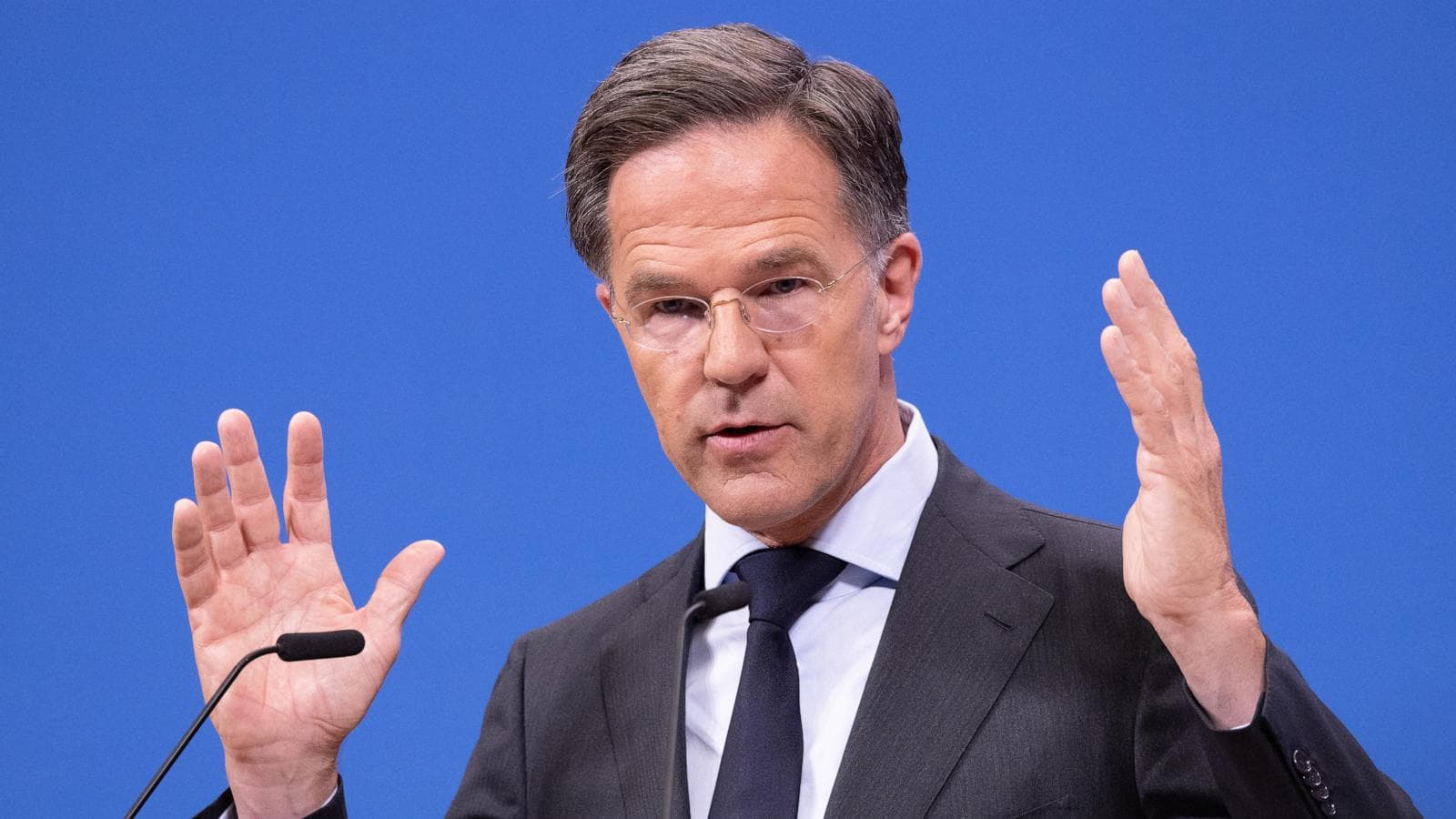
NATO Secretary-General Mark Rutte addressed concerns about the U.S. military's reduced contributions to NATO, asserting that the U.S. remains committed to the alliance. He emphasized that these adjustments should not be interpreted as a withdrawal from NATO. Rutte also expressed support for President Trump's tentative agreement with Iran, viewing it as a crucial step toward preventing nuclear proliferation.
The Secretary-General highlighted the readiness of European allies and Canada to assume greater defense responsibilities. This shift indicates a potential evolution in NATO's operational framework, with increased reliance on European nations for collective defense while maintaining U.S. support.
The Context
The backdrop of Rutte's statements is a changing geopolitical landscape that necessitates a reevaluation of NATO's military contributions. The U.S. has adjusted its force model, but Rutte clarified that this does not signify a distancing from NATO. The commitment of the U.S. to NATO remains singular and steadfast, even amidst these changes.
Rutte's remarks come at a time when European nations are being called upon to enhance their defense roles. The U.S.-Iran agreement is also a critical factor, as it aims to improve international security and navigation in the Strait of Hormuz, further underscoring the interconnectedness of NATO's mission and broader geopolitical stability.
Takeaway
Looking ahead, the upcoming NATO defense ministers meeting will be pivotal in discussing military contributions and the alliance's future direction. Observers should also keep an eye on further developments regarding the U.S.-Iran agreement and its implications for regional security. The evolving dynamics of NATO's force model may lead to increased responsibilities for European allies while ensuring continued U.S. support.
As NATO navigates these changes, its ability to adapt and strengthen collective defense will be crucial in addressing emerging geopolitical challenges. The alliance's future effectiveness will depend on how well it balances U.S. contributions with European commitments.
Major U.S. developments and regional news.
"ABC News delivers broad national coverage with a mainstream editorial stance, focusing on accessibility and balanced reporting."
— A47 Editor
NATO chief downplays US military cutbacks as top commander makes backup plans
NATO Secretary-General Mark Rutte has downplayed the implications of the Trump administration's decision to reduce military support for allies, emphasizing the alliance's resilience and adaptability in the face of changing geopolitical dynamics.
Conservative-leaning political and national coverage.
"The Washington Times is a conservative-leaning newspaper known for its political coverage and advocacy of right-of-center viewpoints."
— A47 Editor
NATO chief backs Trump's Iran deal, says it can help stop Tehran from getting nuclear weapons
NATO Secretary-General Mark Rutte expressed support for President Trump's tentative agreement with Iran, which aims to end hostilities and reopen the strategically vital Strait of Hormuz, describing it as a significant advancement in diplomatic effor...
English-language reporting on Saudi politics, policy, and society.
"Saudi Gazette reflects mainstream Saudi institutional perspectives."
— A47 Editor
Rutte says US remains committed to NATO despite force model changes
NATO Secretary General Mark Rutte affirmed the United States' commitment to the alliance, dismissing concerns that recent adjustments to its force model indicate a withdrawal from Europe. Rutte emphasized that the US remains dedicated to collective d...