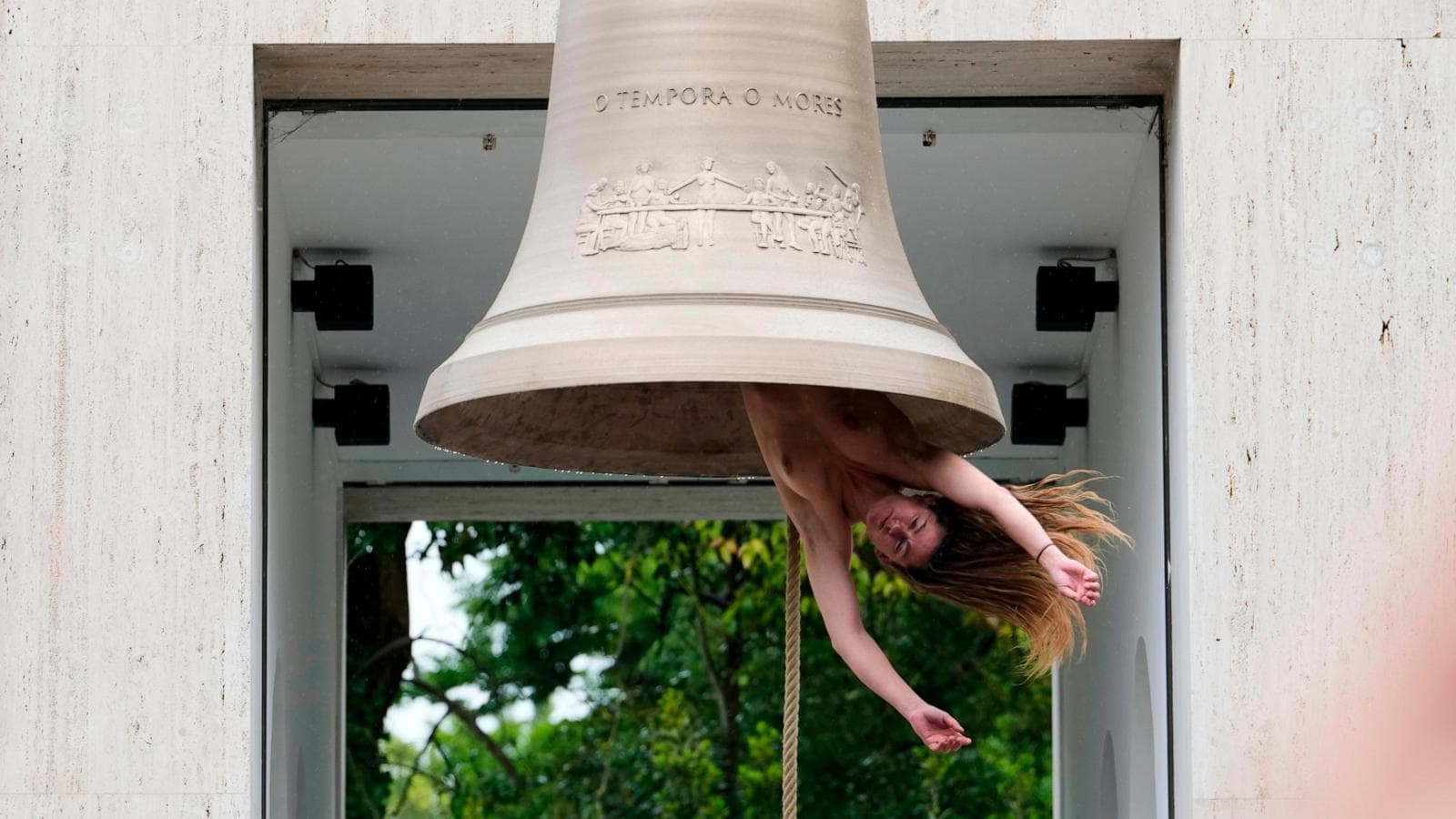
Protests Disrupt Venice Biennale Previews Targeting Israeli and Russian Pavilions

Here's what it means for you.
The ongoing protests at the Venice Biennale could reshape how art institutions engage with geopolitical issues, impacting cultural investments and collaborations globally.
Why it matters
The Venice Biennale serves as a critical platform for contemporary art, and its current turmoil reflects broader geopolitical tensions that could influence future exhibitions and funding.
What happened (in 30 seconds)
- Protests erupted at the Venice Biennale previews targeting Israeli and Russian pavilions amid ongoing wars in Gaza and Ukraine.
- The jury resigned just days before the event, declaring no awards for Israel and Russia due to International Court of Justice investigations into their leaders.
- Cultural workers announced a strike for May 8, 2026, protesting Israel's participation, further escalating tensions within the art community.
The context you actually need
- The Venice Biennale, established in 1895, is the world's oldest contemporary art exhibition, featuring national pavilions that have become contentious amid global conflicts.
- Over 200 artists signed open letters urging the exclusion of Israel, Russia, and the U.S. from the Biennale, reflecting a growing trend of politicizing art.
- The jury's decision to isolate Russia and Israel was a preemptive move against accusations of complicity in war crimes, highlighting the intersection of art and international law.
What's really happening
The Venice Biennale has long been a showcase for national pride and cultural diplomacy, but the current geopolitical climate is forcing a reevaluation of this model. The protests against the Israeli and Russian pavilions are not merely spontaneous acts of dissent; they are part of a larger movement within the art world that seeks to hold nations accountable for their actions on the global stage.
The resignation of the Biennale jury, which announced no awards for Israel and Russia, underscores a significant shift in how art institutions are responding to international crises. This decision was influenced by ongoing investigations by the International Court of Justice into alleged war crimes committed by leaders of these nations. The jury's stance reflects a growing sentiment among artists and curators that art should not be used as a tool for propaganda or "artwashing," where nations attempt to improve their image through cultural means while engaging in controversial actions.
The protests themselves are emblematic of a broader cultural shift. Activist groups like Pussy Riot and FEMEN, alongside Palestinian activists, are leveraging the visibility of the Biennale to draw attention to the human costs of war. Their actions are not just about the art on display; they are about the narratives that art institutions choose to amplify or silence. The presence of Ukrainian artists, who unveiled works directly related to the war, further complicates the narrative, as they highlight the immediate impacts of conflict on culture and creativity.
As the Biennale unfolds, the implications for the art world are profound. The ongoing protests and the planned strike by cultural workers signal a potential fracture in the traditional relationships between artists, institutions, and nations. This could lead to a reevaluation of how art is funded, who gets to participate, and what messages are deemed acceptable. The Biennale's organizers have defended their inclusion of these nations, citing diplomatic ties, but this rationale is increasingly being challenged by artists and activists who demand accountability.
The Venice Biennale is at a crossroads, and its future may hinge on how it navigates these complex geopolitical waters. The outcome of this year's event could set precedents for future exhibitions, influencing how art institutions engage with global issues and the narratives they choose to promote.
Who feels it first (and how)
- Artists and curators: Facing pressure to align their work with political stances, impacting their funding and visibility.
- Cultural institutions: May need to reassess their partnerships and funding sources based on public sentiment and activist pressure.
- Art collectors and investors: Could see shifts in market value for works associated with politically charged narratives, affecting investment strategies.
- General public: Increased awareness of the intersection between art and politics may influence cultural consumption and support for certain artists or movements.
What to watch next
- Cultural worker strikes: The planned strike on May 8 could escalate tensions and lead to further disruptions, impacting the Biennale's operations and public perception.
- Public response: Monitor how the public engages with the Biennale and whether attendance shifts in response to the protests and controversies.
- Future exhibitions: Watch for changes in how national pavilions are curated and funded in upcoming art events, as institutions may adopt new policies in response to these tensions.
Protests will continue to disrupt the Venice Biennale, drawing attention to geopolitical issues.
Future art exhibitions will increasingly reflect political stances and may exclude nations involved in conflicts.
The long-term impact on the art market and institutional funding remains uncertain as the situation evolves.
This article was generated by AI from 8 verified sources and reviewed by A47 editorial systems.
Frequently Asked Questions
- Why it matters?
- The Venice Biennale serves as a critical platform for contemporary art, and its current turmoil reflects broader geopolitical tensions that could influence future exhibitions and funding.
- What happened (in 30 seconds)?
- Protests erupted at the Venice Biennale previews targeting Israeli and Russian pavilions amid ongoing wars in Gaza and Ukraine. The jury resigned just days before the event, declaring no awards for Israel and Russia due to International Court of Justice investigations into their leaders. Cultural workers announced a strike for May 8, 2026, protesting Israel's participation, further escalating tensions within the art community.
- What's really happening?
- The Venice Biennale has long been a showcase for national pride and cultural diplomacy, but the current geopolitical climate is forcing a reevaluation of this model. The protests against the Israeli and Russian pavilions are not merely spontaneous acts of dissent; they are part of a larger movement within the art world that seeks to hold nations accountable for their actions on the global stage. The resignation of the Biennale jury, which announced no awards for Israel and Russia, underscores
- Who feels it first (and how)?
- Artists and curators: Facing pressure to align their work with political stances, impacting their funding and visibility. Cultural institutions: May need to reassess their partnerships and funding sources based on public sentiment and activist pressure. Art collectors and investors: Could see shifts in market value for works associated with politically charged narratives, affecting investment strategies. General public: Increased awareness of the intersection between art and politics may i
- What to watch next?
- Cultural worker strikes: The planned strike on May 8 could escalate tensions and lead to further disruptions, impacting the Biennale's operations and public perception. Public response: Monitor how the public engages with the Biennale and whether attendance shifts in response to the protests and controversies. Future exhibitions: Watch for changes in how national pavilions are curated and funded in upcoming art events, as institutions may adopt new policies in response to these tensions.
International coverage of politics, culture, and current affairs.
"BBC News is widely regarded as a reputable international news organization, known for its impartial tone and public service mandate."
— A47 Editor
'Enjoy the show. Ignore the war': Venice Biennale faces backlash after including Russia
The Venice Biennale has faced significant backlash following the inclusion of Russia for the first time since its invasion of Ukraine, leading to widespread protests and the resignation of the international jury just days before the event's opening.
News and current affairs from across Europe.
"The Guardian is known for its progressive editorial stance and in-depth analysis."
— A47 Editor
Pussy Riot protest at Venice Biennale forces Russian pavilion to briefly close
The Russian pavilion at the Venice Biennale was temporarily closed following a protest by the activist group Pussy Riot, who expressed their outrage over Russia's participation in the arts festival. The demonstrators, wearing pink balaclavas, ignited...
Domestic Russian news, politics, and society.
"RT is widely criticized for promoting pro-Kremlin narratives and is considered by many to be a state propaganda outlet."
— A47 Editor
Russian pavilion opens at Venice Biennale despite sanctions and protests
Russia's national pavilion has officially opened at the Venice Biennale in Italy, despite facing significant challenges including EU sanctions, funding cuts, and widespread protests against its participation. This event marks a contentious moment in ...
24/7 international news from a French perspective in multiple languages.
"France 24 is viewed as a globally focused outlet with balanced coverage and a European perspective."
— A47 Editor
Venice Biennale: Boycotts and threats over participation of Russia & Israel
The Venice Biennale has opened its 61st edition amid significant turmoil, marked by the resignation of its jury just days before the event due to controversies surrounding the participation of artists from Russia and Israel. This unprecedented decisi...
Arts, film, music, pop culture, and global entertainment coverage.
"France 24 offers international arts and culture coverage with a European perspective."
— A47 Editor
Venice Biennale: Boycotts and threats over participation of Russia & Israel
The Venice Biennale has opened its 61st edition amid significant turmoil, marked by the resignation of its jury just days before the event due to controversies surrounding the participation of artists from Russia and Israel. This unprecedented decisi...
Arts, film, music, pop culture, and global entertainment coverage.
"France 24 offers international arts and culture coverage with a European perspective."
— A47 Editor
Venice Biennale faces outcry over Israel and Russia's participation
The 61st Venice Biennale has sparked significant controversy due to the participation of artists from Israel and Russia, amidst ongoing geopolitical tensions involving Ukraine and the United States. The event, which is the largest contemporary art ex...
24/7 international news from a French perspective in multiple languages.
"France 24 is viewed as a globally focused outlet with balanced coverage and a European perspective."
— A47 Editor
Venice Biennale faces outcry over Israel and Russia's participation
The 61st Venice Biennale has sparked significant controversy due to the participation of artists from Israel and Russia, amidst ongoing geopolitical tensions involving Ukraine and the United States. The event, which is the largest contemporary art ex...
Celebrities, awards shows, and media coverage.
"ABC News delivers broad national coverage with a mainstream editorial stance, focusing on accessibility and balanced reporting."
— A47 Editor
The Venice Biennale previews in chaos as war follows art into the world's oldest exhibition
The Venice Biennale has commenced its 61st edition amid significant turmoil, following the resignation of its international jury just days before the event due to controversies surrounding the participation of artists from Israel and Russia. This dec...
Editor-curated FT homepage stories spanning markets, business, world, and opinion.
"The Financial Times is a globally respected business publication with a centrist/center-left tone and strong markets focus."
— A47 Editor
Russia pavilion drags Venice Biennale into EU sanctions row
The Venice Biennale is facing controversy as Brussels warns that allowing Russia to participate would violate EU sanctions aimed at restricting services to the Kremlin. This situation has arisen amidst ongoing geopolitical tensions and the impact of ...
News and current affairs from across Europe.
"The Guardian is known for its progressive editorial stance and in-depth analysis."
— A47 Editor
Dark clouds, protests and resignations dampen start of 61st Venice Biennale
The 61st Venice Biennale opened under gloomy weather, marked by protests and political tensions, particularly regarding Russia's participation and Israel's inclusion. The British pavilion, led by artist Lubaina Himid, showcased works reflecting on co...
Arts, film, music, pop culture, and media criticism.
"The Guardian is known for its progressive editorial stance and in-depth analysis, often exploring the cultural impact of entertainment."
— A47 Editor
Dark clouds, protests and resignations dampen start of 61st Venice Biennale
The 61st Venice Biennale opened under gloomy weather, marked by protests and political tensions, particularly regarding Russia's participation and Israel's inclusion. The British pavilion, led by artist Lubaina Himid, showcased works reflecting on co...