
Netanyahu Supports Trump's Iran Deal Approach Amidst Limited Influence
Here's what it means for you.
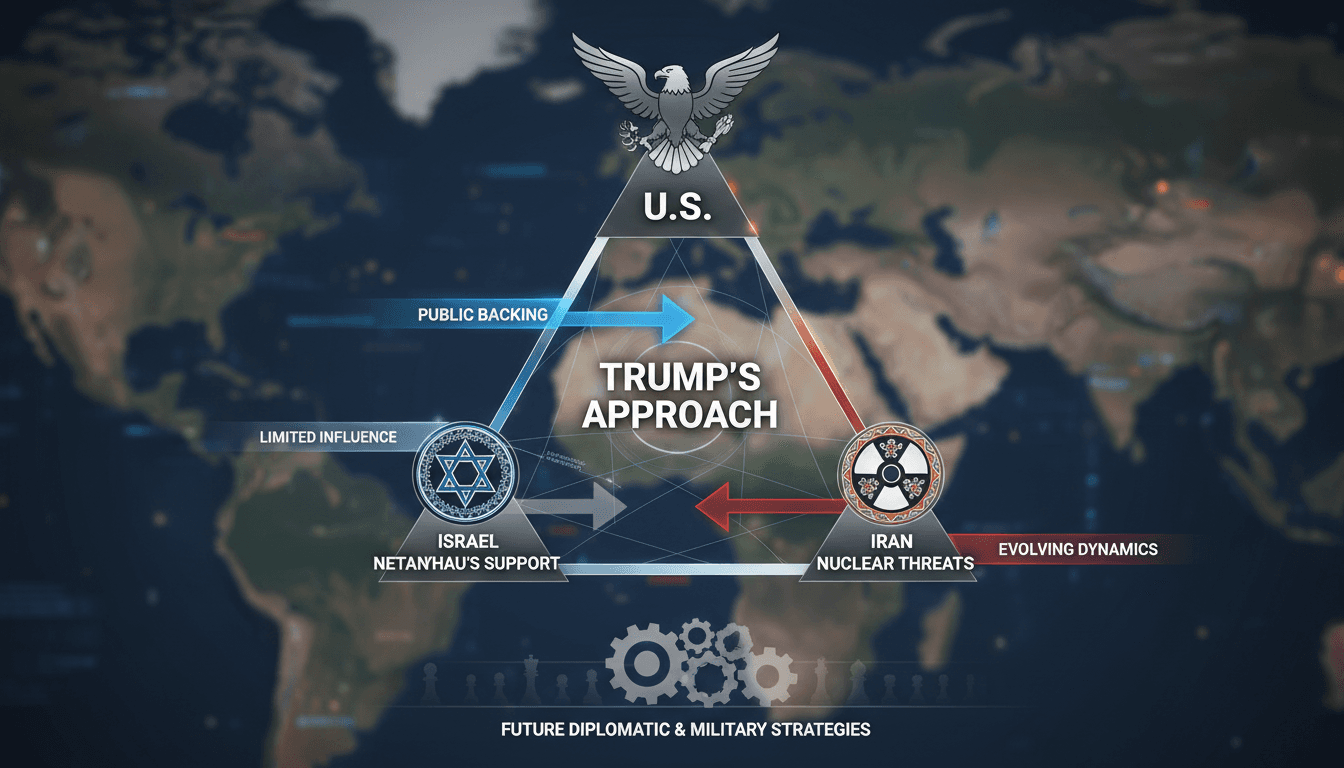
Israeli Prime Minister Benjamin Netanyahu's endorsement of President Trump's approach to the Iran deal signals a critical alignment in U.S.-Israel relations regarding nuclear threats. However, Netanyahu's private concerns about his limited influence over Trump's decisions highlight the complexities of international negotiations. This dynamic could impact regional stability and military strategies as discussions progress. The evolving relationship between the U.S. and Israel on Iran's nuclear program will be pivotal for policymakers and stakeholders in the region. As negotiations unfold, the implications for diplomatic relations and security strategies will be closely monitored.
What happened
On May 24, 2026, Israeli Prime Minister Benjamin Netanyahu engaged in discussions with President Trump regarding the Iran deal, emphasizing the necessity of addressing nuclear threats in any final agreement. Netanyahu's support for Trump's stance reflects a shared concern over Iran's nuclear capabilities. However, he has privately acknowledged challenges in influencing Trump's decisions amidst ongoing negotiations.
Reports following their conversation indicate that Netanyahu has specific concerns about certain clauses in the draft agreement with Iran. These discussions are occurring against the backdrop of a nearly three-month-old conflict involving U.S. and Israeli actions, further complicating the diplomatic landscape.
The Context
The relationship between the U.S. and Israel has historically been characterized by strong cooperation, particularly concerning security issues in the Middle East. Netanyahu's insistence on eliminating the nuclear threat posed by Iran underscores the high stakes involved in these negotiations. The timing of this dialogue is critical, as the proposed extension of a ceasefire in the ongoing conflict could influence the outcome of the negotiations.
Netanyahu's limited ability to sway Trump's decisions raises questions about Israel's role in shaping U.S. foreign policy. As the situation evolves, the perspectives of other Middle Eastern countries regarding the U.S.-Iran deal will also play a significant role in regional dynamics.
Takeaway
As negotiations between the U.S. and Iran continue, the interplay between Israeli and American positions will be crucial in determining future diplomatic and military strategies in the region. Observers should watch for potential developments in U.S.-Iran negotiations, as well as reactions from other Middle Eastern nations regarding the implications of the deal. The complexities of the situation suggest that both nations will need to navigate their interests carefully to maintain stability.
The ongoing discussions will likely influence not only bilateral relations but also broader geopolitical dynamics in the Middle East. Stakeholders will be keenly aware of how these negotiations unfold and the potential ramifications for regional security.
Regional coverage and analysis focused on politics, diplomacy, and business across the Middle East.
"Al-Monitor is known for analytical reporting on Middle East politics and policy developments."
— A47 Editor
Netanyahu admits difficulty influencing Trump decisions on Iran, sources say
Israeli Prime Minister Benjamin Netanyahu has expressed to confidants that Israel has limited influence over U.S. President Donald Trump's decision-making regarding Iran, particularly as Trump negotiates a peace deal amid ongoing conflict. This admis...
Capitol Hill news, legislation, and policy insight.
"The Hill specializes in U.S. politics and policy, with a focus on Capitol Hill developments and a reputation for insider reporting."
— A47 Editor
Netanyahu backs Trump on Iran MOU, says final deal must cover nukes
Israeli Prime Minister Benjamin Netanyahu expressed support for President Trump's memorandum of understanding with Iran, emphasizing that any final agreement must address Iran's nuclear program. Netanyahu's comments follow a discussion with Trump reg...
Regional and international reporting focused on Middle Eastern politics, diplomacy, and economics.
"Asharq Al-Awsat is a Saudi-owned international newspaper reflecting mainstream Gulf political perspectives."
— A47 Editor
Israel PM Says Trump Agreed Any Final Iran Deal Must End ‘Nuclear Threat Entirely’
Israeli Prime Minister stated that U.S. President Donald Trump has agreed that any final deal with Iran must completely eliminate the nuclear threat posed by the country. This assertion comes amidst ongoing negotiations regarding Iran's nuclear capab...
Pan-Arab news coverage spanning politics, business, sports, and regional affairs.
"Asharq Al-Awsat reflects a broad Arab editorial perspective with strong attention to regional geopolitics."
— A47 Editor
نتنياهو: اتفقت مع ترمب على إزالة التهديد النووي الإيراني في أي اتفاق نهائي
Israeli Prime Minister Benjamin Netanyahu stated that he has reached an agreement with U.S. President Donald Trump that any final agreement with Iran must eliminate the nuclear threat posed by Tehran.
Pan-Arab news coverage spanning politics, business, sports, and regional affairs.
"Asharq Al-Awsat reflects a broad Arab editorial perspective with strong attention to regional geopolitics."
— A47 Editor
نتنياهو يعرب لترمب عن قلقه بشأن بندين في مسودة الاتفاق مع إيران
Israeli Prime Minister Benjamin Netanyahu expressed his concerns to U.S. President Donald Trump regarding two specific clauses in the draft agreement with Iran, as reported by the Israeli public broadcaster Kan. This communication highlights ongoing ...