
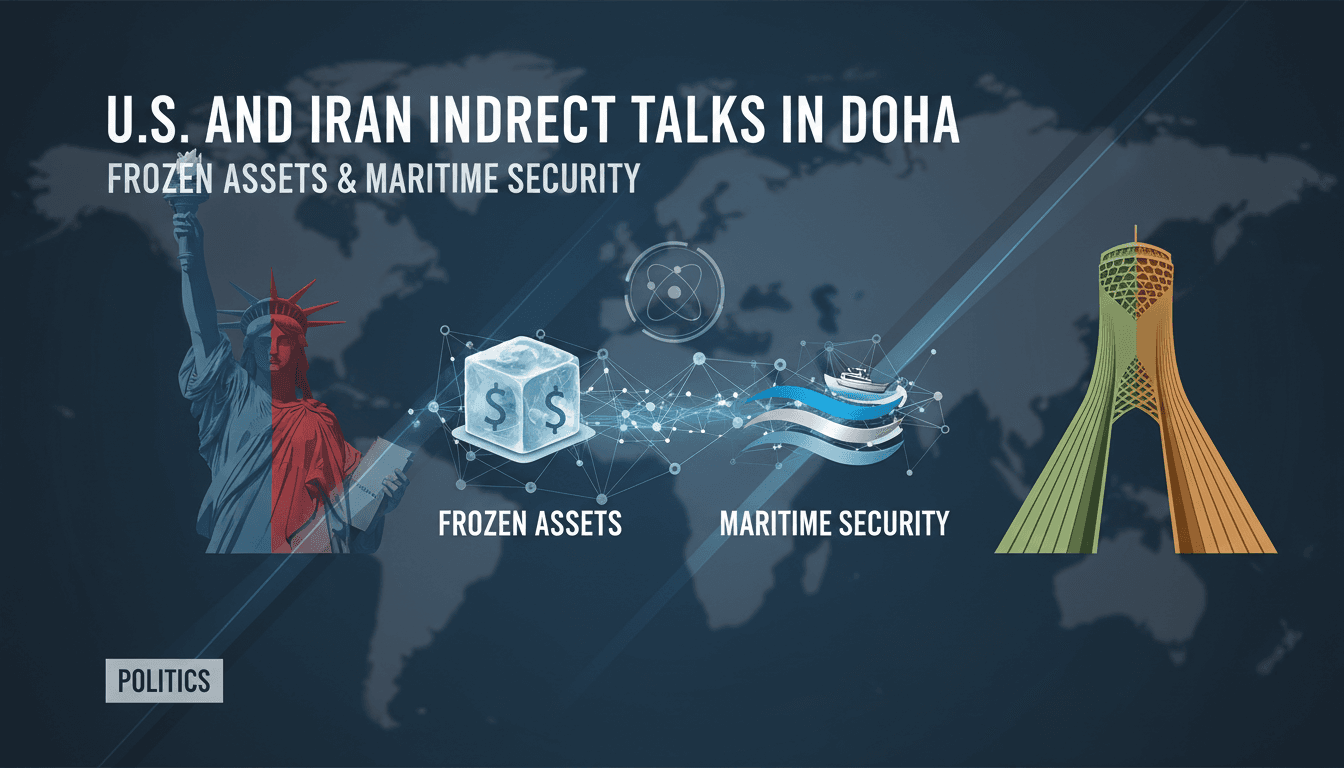
U.S. and Iran Engage in Indirect Talks in Doha Over Frozen Assets and Maritime Security
Here's what it means for you.
The recent indirect talks between the U.S. and Iran in Doha signal a potential shift in diplomatic relations, particularly concerning frozen assets and maritime security. As these discussions unfold, stakeholders in the region and beyond will be closely monitoring their implications for stability in the Middle East. The outcome could influence not only U.S.-Iran relations but also broader geopolitical dynamics. The engagement reflects ongoing efforts to address critical issues, including Iran's nuclear ambitions and regional security concerns. As the situation develops, market participants and policymakers should remain vigilant to any shifts that may arise from these discussions.
What happened
Indirect technical discussions between the United States and Iran commenced in Doha, focusing on frozen Iranian assets and navigation arrangements in the Strait of Hormuz. These talks began on July 1, 2026, amid conflicting reports regarding the nature of the meetings. Qatar's foreign ministry has clarified that there are no plans for a direct meeting between U.S. and Iranian officials, emphasizing the indirect nature of the discussions.
The U.S. delegation is set to meet with Qatari mediators, which underscores Qatar's role as a facilitator in these negotiations. The discussions are part of a broader context involving ongoing negotiations related to Iran's nuclear program and other regional issues.
The Context
The talks are significant as they address longstanding issues between the U.S. and Iran, particularly concerning frozen assets and maritime navigation in the strategically vital Strait of Hormuz. The situation is further complicated by the ongoing negotiations surrounding Iran's nuclear program, which have been a point of contention for years.
Qatar's involvement as a mediator highlights its diplomatic position in the region, as it seeks to facilitate dialogue between the two nations. The timing of these discussions is crucial, given the heightened tensions in the Middle East and the need for stability in the region.
Takeaway
The outcome of these discussions could have far-reaching implications for regional stability and U.S.-Iran relations. As the talks progress, the international community will be closely monitoring developments, particularly regarding their impact on Iran's nuclear ambitions.
Potential future developments may include reactions from regional stakeholders and further negotiations related to the nuclear program. Observers should remain alert to any announcements that may arise from these indirect discussions, as they could signal shifts in diplomatic relations.
Jordanian news and regional updates.
"Roya News is a Jordanian outlet focused on breaking news and local affairs."
— A47 Editor
التطورات الميدانية والسياسية في اليوم الخامس عشر من توقيع مذكرة التفاهم بين واشنطن وطهران
The Qatari Foreign Ministry announced the conclusion of a round of non-public discussions between Washington and Tehran on the fifteenth day following the signing of a memorandum of understanding. This development highlights ongoing diplomatic effort...
Pan-Arab news coverage spanning politics, business, sports, and regional affairs.
"Asharq Al-Awsat reflects a broad Arab editorial perspective with strong attention to regional geopolitics."
— A47 Editor
واشنطن وطهران تتقدمان فنياً في الدوحة وسط خلافات على «هرمز»
The United States and Iran commenced indirect technical talks in Doha on Wednesday, focusing on frozen Iranian assets and navigation arrangements in the Strait of Hormuz.
Arabic-language coverage of Saudi, regional, and international affairs.
"Al Bilad offers mainstream Saudi newspaper coverage across domestic and broader Arab topics."
— A47 Editor
قطر: لا اجتماع مباشر مخطط له بين أمريكا وإيران في الدوحة
The Qatari Ministry of Foreign Affairs has denied any planned direct meeting between the United States and Iran in Doha, clarifying that the visit of U.S. envoy Steve Wittekov and Jared Kushner will focus on discussions with Qatari mediators regardin...