
Iran declares Strait of Hormuz a red line amid escalating U.S. tensions
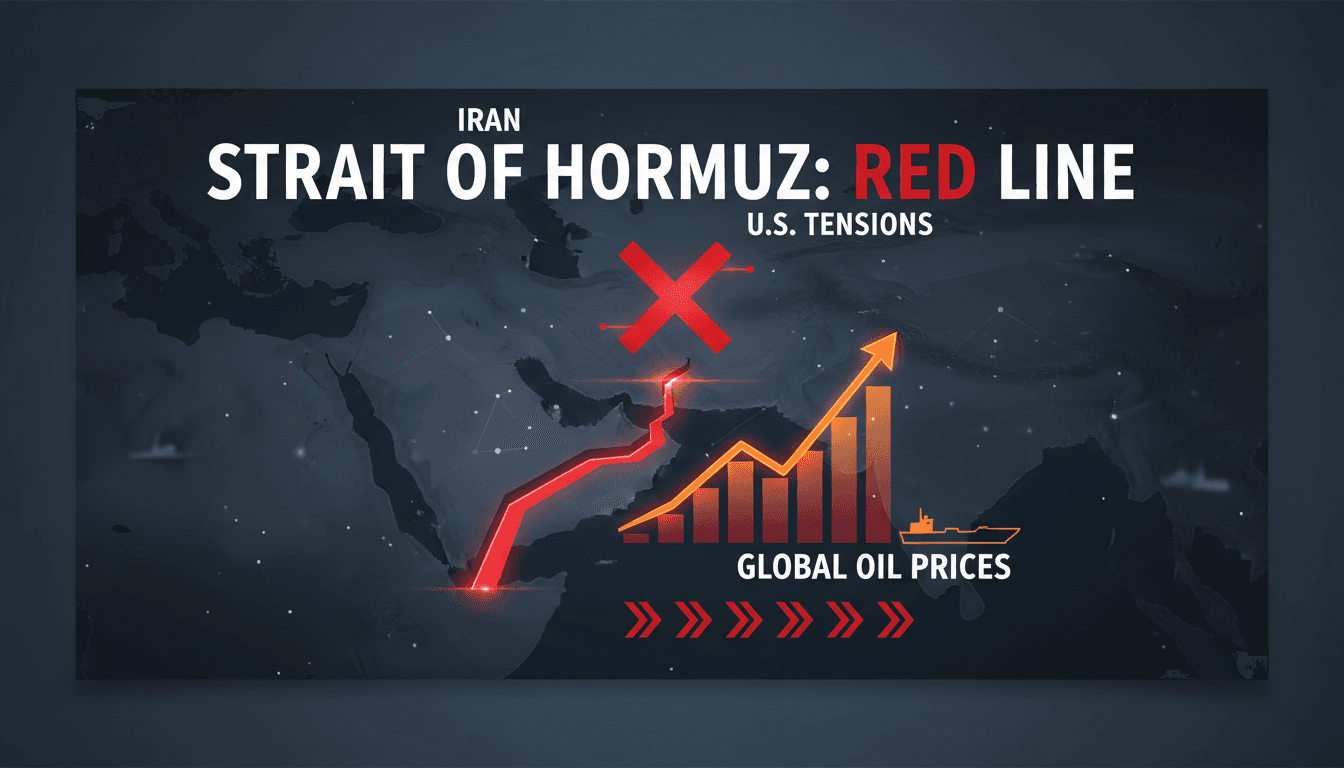
Here's what it means for you.
The declaration by Iran regarding the Strait of Hormuz as a 'red line' signals a significant escalation in U.S.-Iran tensions, which could have far-reaching implications for global oil markets and maritime security. With approximately 20% of the world's oil trade passing through this critical chokepoint, any disruption could lead to increased prices and instability in energy supplies. Stakeholders in the energy sector and policymakers must closely monitor developments, as military actions could further complicate an already volatile situation. The U.S. reimposing a naval blockade on Iranian ports adds another layer of complexity, potentially leading to retaliatory measures from Iran. This ongoing conflict raises concerns not only for regional stability but also for international shipping routes that are vital for global trade.
What happened
Iran has officially declared the Strait of Hormuz a 'red line' and has issued warnings of retaliation against any U.S. military actions targeting its infrastructure. This declaration follows the U.S. reimposing a naval blockade on Iranian ports, a move aimed at reopening the strait after Iran had previously closed it due to a breakdown of a truce. The situation has escalated rapidly, with both nations asserting their positions in a high-stakes standoff.
The U.S. military's actions are part of a broader strategy to counter Iranian influence in the region, which has raised alarms about the potential for conflict. Iran's threats to strike back at Gulf infrastructure if attacked further heighten the risk of military engagement. As tensions mount, the implications for global oil trade and maritime security become increasingly significant.
The Context
The Strait of Hormuz is a critical chokepoint for global oil shipments, making its security vital for international energy markets. Approximately 20% of the world's oil trade passes through this narrow waterway, underscoring its importance in the global economy. Iran's control over the strait raises serious concerns about international maritime security, particularly in light of the ongoing U.S. military presence in the region.
The backdrop of this conflict includes a fragile truce that has now collapsed, leading to heightened military actions from the U.S. against Iranian infrastructure. The U.S. aims to counteract Iran's influence, which has been a longstanding concern for many nations in the region. As both sides continue to assert their positions, the potential for conflict remains high.
Takeaway
The ongoing conflict in the Strait of Hormuz could have significant implications for global trade and security, particularly in the energy sector. As military actions escalate, stakeholders should prepare for potential disruptions in oil supply and increased volatility in energy prices. The situation warrants close monitoring, especially regarding responses from other countries concerning Iran's control over the strait.
Future developments may include further military actions in the Gulf region, which could exacerbate tensions and lead to broader implications for international shipping. The international community will need to navigate these complexities carefully to avoid a larger conflict that could impact global markets.
International stories from NPR’s global desk.
"NPR is an American public media organization known for thoughtful reporting and a slightly left-leaning editorial tone."
— A47 Editor
The U.S.-Iran battle over the Strait of Hormuz raises risks for global waterways
The ongoing military confrontations between the United States and Iran over the Strait of Hormuz have escalated, with both nations claiming control over this strategically vital waterway. Recent airstrikes by the U.S. and threats from Iran to block o...
Capitol Hill news, legislation, and policy insight.
"The Hill specializes in U.S. politics and policy, with a focus on Capitol Hill developments and a reputation for insider reporting."
— A47 Editor
Why is it so hard to open the Strait of Hormuz?
President Trump has reinstated a U.S. military blockade on the Strait of Hormuz, which includes a 20% toll on shipping, following escalating tensions with Iran. This decision marks a significant escalation in U.S.-Iran relations, as it comes after a ...
Regional coverage and analysis focused on politics, diplomacy, and business across the Middle East.
"Al-Monitor is known for analytical reporting on Middle East politics and policy developments."
— A47 Editor
Iran warns Strait of Hormuz is a 'red line' and will resist until the end
Iran has declared the Strait of Hormuz an inviolable 'red line', warning that any military action by the U.S., particularly under President Donald Trump's threats, would lead to retaliatory strikes on Gulf infrastructure. This statement follows a ser...