
U.S. and Iran sign pact reopening the Strait of Hormuz
Here's what it means for you.
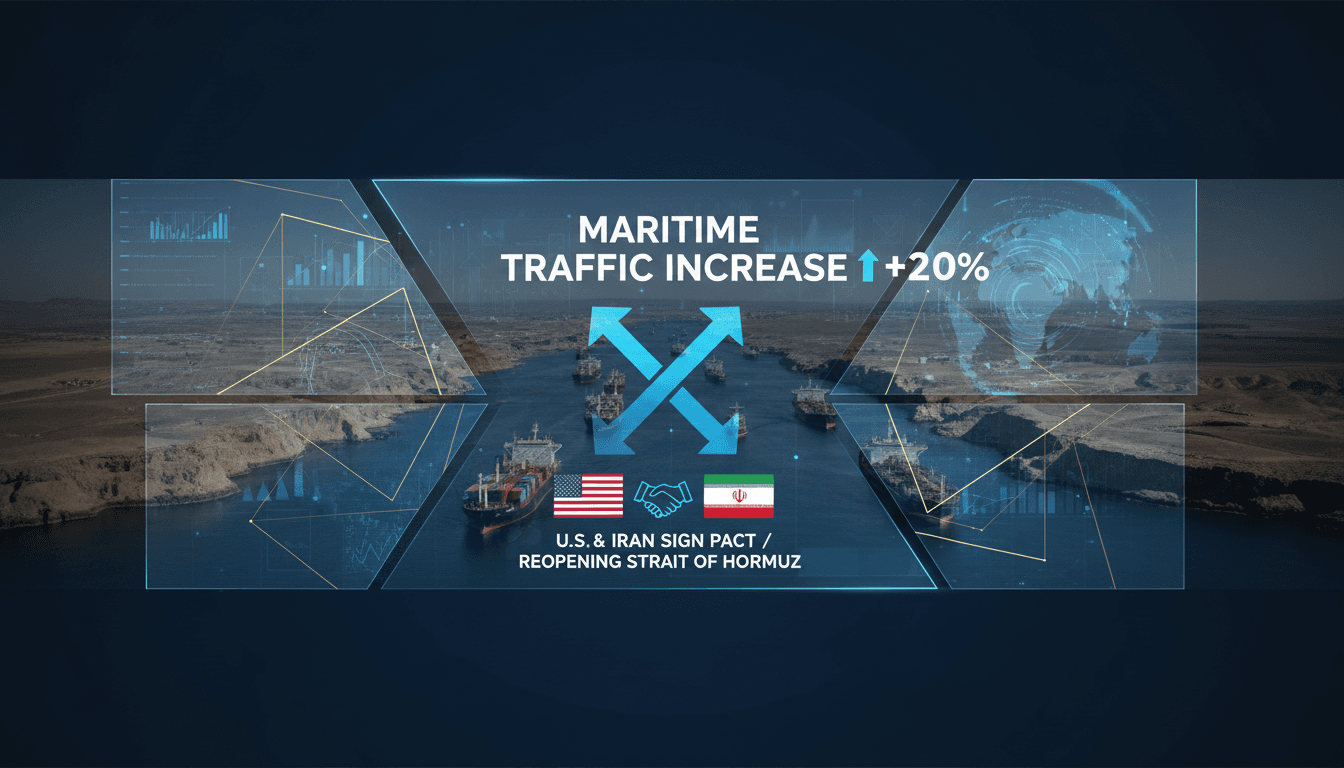
The recent pact between the U.S. and Iran to reopen the Strait of Hormuz is a significant development for global oil markets and regional security. With an expected 20% increase in maritime traffic, shipping companies are cautiously optimistic about the implications for trade and safety in the area. This agreement may also signal a shift in U.S.-Iran relations, particularly concerning nuclear negotiations and broader diplomatic engagement. As stakeholders monitor the situation closely, the reopening of this critical maritime route could reshape shipping dynamics in the Middle East. The focus will be on the effectiveness of safety measures implemented to ensure the smooth flow of oil shipments.
What happened
On June 15, 2026, the U.S. and Iran signed a pact that reopens the Strait of Hormuz, a vital passage for global oil shipments. This agreement is part of broader efforts to prevent Iran from developing or procuring nuclear weapons. Following the signing, shipping companies expressed cautious optimism regarding the anticipated increase in maritime traffic.
The reopening of the Strait is expected to boost traffic by 20%, which is significant given the route's importance in global oil transportation. U.S. officials have framed this agreement as a step toward enhancing diplomatic engagement with Iran.
The Context
The Strait of Hormuz is a critical maritime route, with a substantial portion of the world's oil passing through it. The pact's timing reflects ongoing concerns about Iran's nuclear ambitions and the need for enhanced regional security. Stakeholders, including shipping companies and governments, are closely watching the implications of this agreement for safety and stability in the region.
The reopening comes amid a backdrop of fluctuating U.S.-Iran relations, with this pact potentially marking a pivotal moment in Middle Eastern geopolitics. The focus will be on how effectively safety measures are implemented to protect maritime traffic in the Strait.
Takeaway
The reopening of the Strait of Hormuz could have far-reaching implications for shipping dynamics and regional security in the coming months. Stakeholders will need to monitor the effectiveness of safety measures to ensure the smooth flow of maritime traffic. Additionally, developments in U.S.-Iran relations regarding nuclear negotiations will be crucial to watch.
As the situation evolves, the international community will be attentive to how this agreement impacts both regional stability and global oil markets. The successful implementation of this pact could pave the way for further diplomatic engagement between the U.S. and Iran.
Oil, metals, and agriculture: supply/demand headlines, OPEC chatter, inventories, and price action.
"Solid tape for energy and metals traders tracking macro and micro catalysts."
— A47 Editor
U.S. officials say Iran pact signed, Hormuz traffic will rise significantly
U.S. officials have confirmed that a pact with Iran has been signed, which will lead to a significant increase in traffic through the Strait of Hormuz. This agreement follows extensive negotiations mediated by Pakistan and aims to reopen this crucial...
UAE-based English-language newspaper covering regional politics, economics, and global affairs.
"The National reflects Emirati policy perspectives while maintaining international editorial standards."
— A47 Editor
Shipping companies welcome Strait of Hormuz reopening, so long as safety is guaranteed
Business and economy coverage focused on Dubai, the UAE, Saudi Arabia, and the wider Middle East.
"Arabian Business is a well-known regional business outlet with strong focus on Gulf markets, leadership, and investment stories."
— A47 Editor
US Iran deal reopens Strait of Hormuz
The United States and Iran are reportedly on the verge of finalizing a significant peace deal, which is expected to be signed soon. This agreement aims to facilitate the reopening of the strategically vital Strait of Hormuz, a key maritime route for ...