
Keir Starmer resigns as UK Prime Minister amid corruption allegations
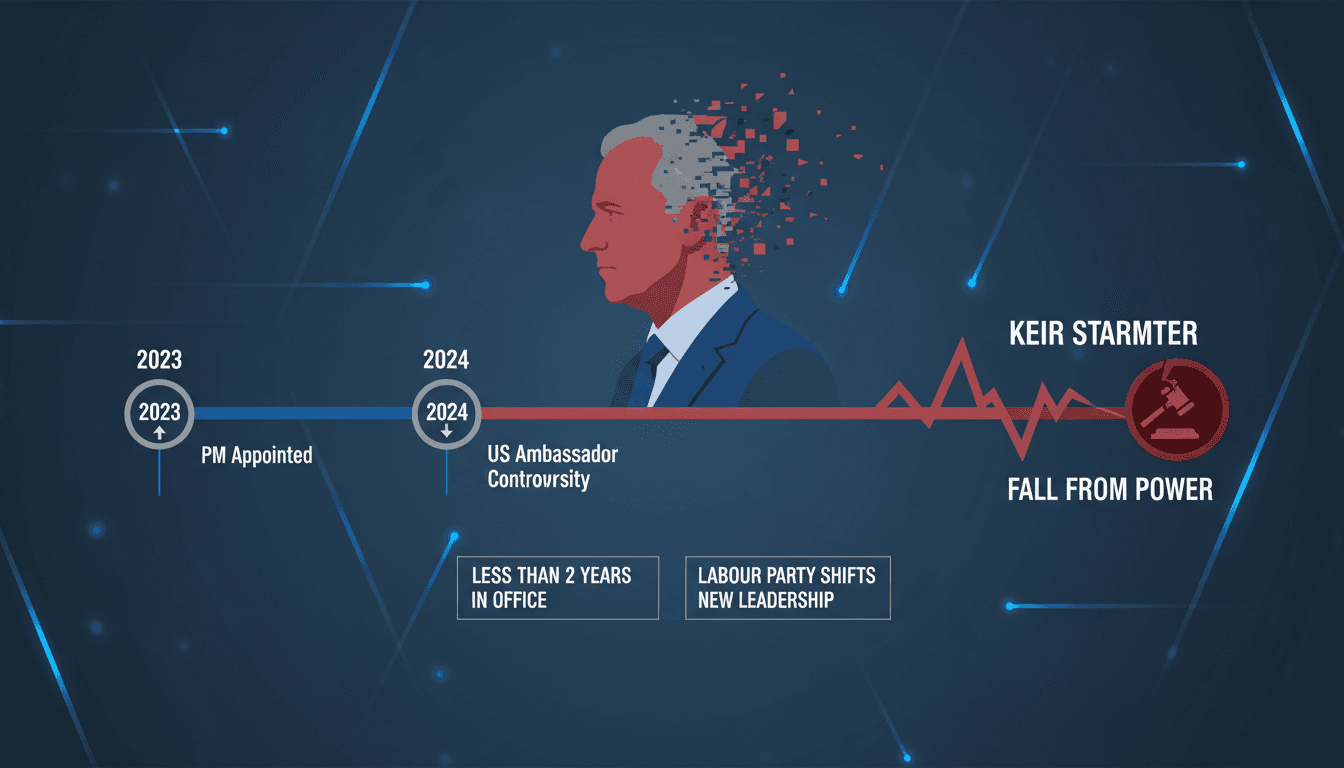
Here's what it means for you.
Keir Starmer's resignation as Prime Minister signals a pivotal moment for the Labour Party and the UK political landscape. His departure, following allegations of corruption, may lead to a reshuffling of leadership and policy direction within the party. This change could impact public trust and voter sentiment as the Labour Party seeks to regain stability and credibility. The political implications of Starmer's resignation extend beyond party lines, potentially influencing the broader UK governance framework. As new candidates emerge for leadership, the direction of future policies and public engagement will be closely scrutinized.
What happened
Keir Starmer has announced his resignation as Prime Minister of the United Kingdom after less than two years in office. His leadership, which began with a significant electoral victory in 2024, ended in turmoil largely due to controversies surrounding his appointment of a US ambassador linked to Jeffrey Epstein. This decision, along with other allegations of corruption, has significantly impacted his administration.
Starmer's term was characterized by a focus on being a "safe pair of hands," yet it was marred by policy U-turns and public dissatisfaction. The combination of these factors ultimately led to his decision to step down, marking a rapid decline from a strong electoral mandate to resignation.
The Context
Starmer was elected with a large majority in the 2024 general election, aiming to restore stability after years of Conservative governance. However, his tenure faced significant challenges, including allegations of corruption that undermined his leadership credibility. The controversy surrounding his ambassadorial appointment drew public scrutiny, particularly due to the connections of Peter Mandelson to Jeffrey Epstein.
This political upheaval comes at a time when the Labour Party must navigate a critical juncture in its history. The implications of Starmer's resignation could reshape the party's future and influence the broader UK political landscape, as new leadership emerges to address the challenges ahead.
Takeaway
With Starmer's resignation, the Labour Party is at a crossroads, needing to redefine its leadership and strategy moving forward. Potential candidates for the next Prime Minister are already being discussed, and public reaction to this political shift will be crucial. The party's ability to regain public trust and address the issues that led to Starmer's downfall will be closely monitored.
As the political landscape evolves, the implications of this change could significantly impact the Labour Party's future direction and its relationship with the electorate. Observers will be keen to see how the party adapts to this new reality and what it means for UK politics as a whole.
International coverage from The Guardian's global desks.
"The Guardian is known for its progressive editorial stance and in-depth analysis."
— A47 Editor
From the NHS to new homes, Starmer’s successes and setbacks – in charts
UK Prime Minister Keir Starmer announced his resignation on June 22, 2026, after just two years in office, following significant electoral losses and internal pressure from Labour Party members. His departure comes amid controversies surrounding his ...
European current affairs, EU politics, and regional developments.
"France 24 is viewed as a globally focused outlet with balanced coverage and a European perspective."
— A47 Editor
Anatomy of a fall: Keir Starmer, from election landslide to precipitous descent
Keir Starmer announced his resignation as Prime Minister of the UK and leader of the Labour Party on June 22, 2026, following significant electoral setbacks and mounting pressure from party members. His tenure, marked by allegations of corruption and...
Political developments, policy debates, elections, and government affairs in the UK.
"BBC News is widely regarded as a reputable international news organization, known for its impartial tone and public service mandate."
— A47 Editor
Sir Keir Starmer: Top lawyer whose 'Mr Rules' approach failed to connect with the public
Sir Keir Starmer has announced his resignation as leader of the Labour Party and Prime Minister of the UK on June 22, 2026, following significant electoral setbacks, including the loss of over 25 councils and nearly 1,850 council seats. This decision...