
AZ-COM Maruwa to Implement JPYC Stablecoin for Payments to 2,300 Partners
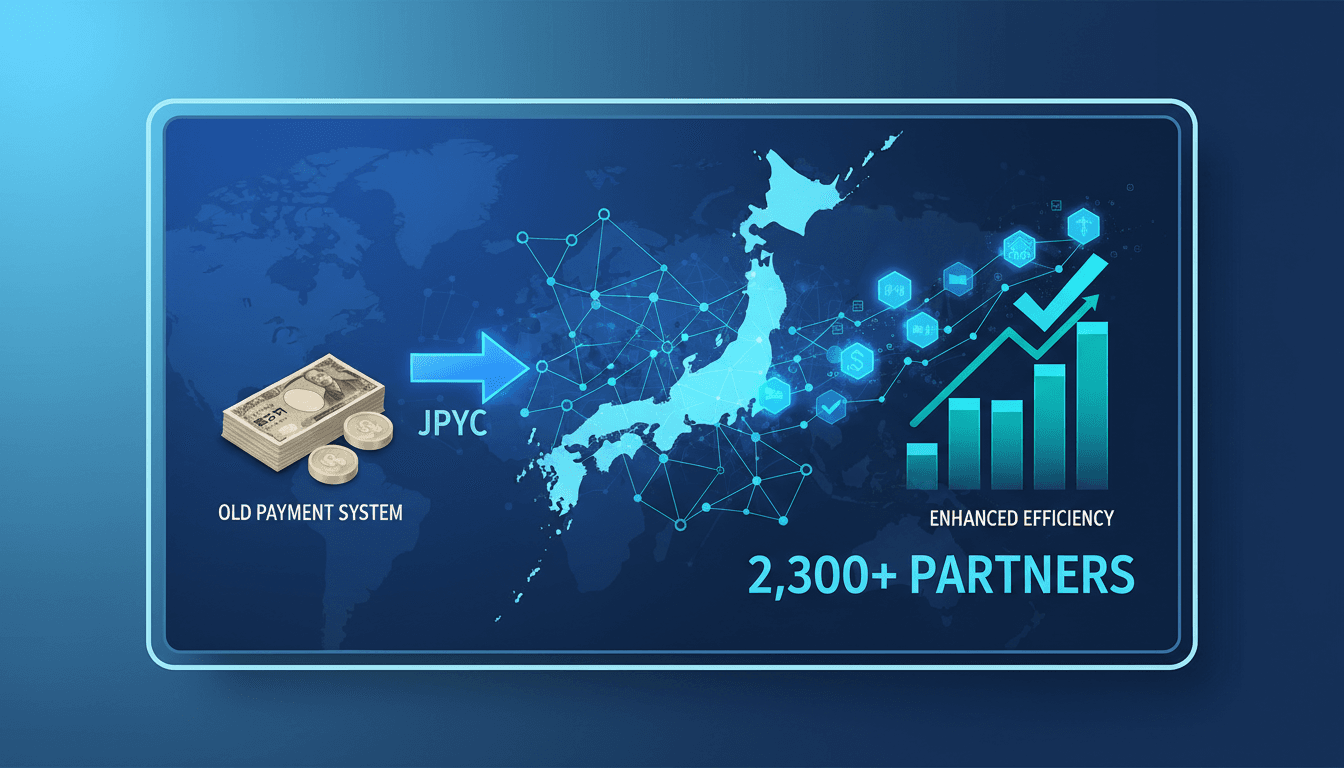
Here's what it means for you.
The adoption of the JPYC stablecoin by AZ-COM Maruwa signifies a transformative step in Japan's corporate finance landscape. This initiative is poised to enhance payment efficiency for logistics contractors, potentially setting a precedent for other companies to follow suit. As digital currencies gain traction, businesses may find themselves increasingly compelled to explore innovative payment solutions. This move could also influence regulatory discussions surrounding stablecoin usage in Japan, as stakeholders assess the implications of digital currency in corporate transactions. The broader acceptance of stablecoins may reshape financial practices across various sectors.
What happened
AZ-COM Maruwa has announced its plans to adopt the JPYC stablecoin for payments to approximately 2,300 business partners. This initiative marks Japan's first large-scale corporate rollout of a yen-denominated stablecoin. The logistics firm aims to enhance payment efficiency for contractors, including truck drivers, by facilitating quicker and more frequent transactions.
The company plans to invest ¥1 billion in this stablecoin project, underscoring its commitment to modernizing payment processes. The official rollout of JPYC payments is scheduled for July 20, 2026, following the announcement made on July 19, 2026.
The Context
AZ-COM Maruwa is a logistics firm based in Japan, operating within a sector that relies heavily on timely payments to contractors. The JPYC stablecoin is a yen-denominated digital currency designed to streamline transactions. By adopting this stablecoin, AZ-COM Maruwa aims to improve payment speed and frequency for its extensive network of partners.
This initiative comes at a time when the corporate landscape in Japan is increasingly exploring digital solutions. The successful implementation of JPYC could encourage other companies to consider similar digital currency options, potentially transforming the financial practices within the industry.
Takeaway
The adoption of JPYC by AZ-COM Maruwa could pave the way for broader acceptance of stablecoins in corporate Japan. As the logistics sector monitors the impact of this initiative on payment efficiency, other industries may also begin to evaluate the benefits of digital currencies.
Regulatory responses to corporate stablecoin usage will be crucial to watch, as they may influence the future landscape of digital currency in Japan. The evolution of corporate finance practices could lead to increased digital currency adoption across various sectors.
Covers blockchain, cryptocurrency news, project analysis, and market insights.
"CoinDesk is a well-established cryptocurrency and blockchain news provider, offering comprehensive insights, market data, and industry research."
— A47 Editor
Amazon Japan supplier AZ-Com Maruwa to adopt yen stablecoin JPYC for payments
AZ-Com Maruwa, a logistics firm in Japan, has announced its plan to adopt the yen stablecoin JPYC for payments to approximately 2,300 partners, including truck drivers, marking a significant corporate initiative in the country's cryptocurrency landsc...
Real-time updates, analysis, and reports on the blockchain and cryptocurrency sectors.
"Crypto News delivers real-time updates, analysis, and reports on the blockchain and cryptocurrency sectors."
— A47 Editor
Japanese logistics firm AZ COM Maruwa adopts JPYC for contractor payments
Japanese logistics firm AZ-COM Maruwa Holdings has announced its adoption of the JPYC stablecoin for payments to approximately 2,300 business partners, marking a significant milestone as Japan's first large-scale corporate use of a yen-denominated st...
Covers blockchain, cryptocurrency news, project analysis, and market insights.
"Cointelegraph is a leading crypto-focused media outlet known for timely news, analysis, and educational content related to blockchain and digital assets."
— A47 Editor
Japanese logistics company eyes JPYC stablecoin to pay drivers
A Japanese logistics company is planning to implement the JPYC stablecoin for driver payments, allowing thousands of transportation contractors to receive digital yen more frequently and efficiently.
Real-time updates, analysis, and reports on the blockchain and cryptocurrency sectors.
"Crypto News delivers real-time updates, analysis, and reports on the blockchain and cryptocurrency sectors."
— A47 Editor
Japan logistics giant plans JPYC payments for 2,300 partners
AZ-COM Maruwa, a logistics giant in Japan, has announced plans to pay 2,300 partners using the JPYC stablecoin and invest ¥1 billion, marking a significant corporate test of stablecoin adoption in the country.