
U.S. Airstrikes in Iran Escalate Tensions Amid Peace Talks
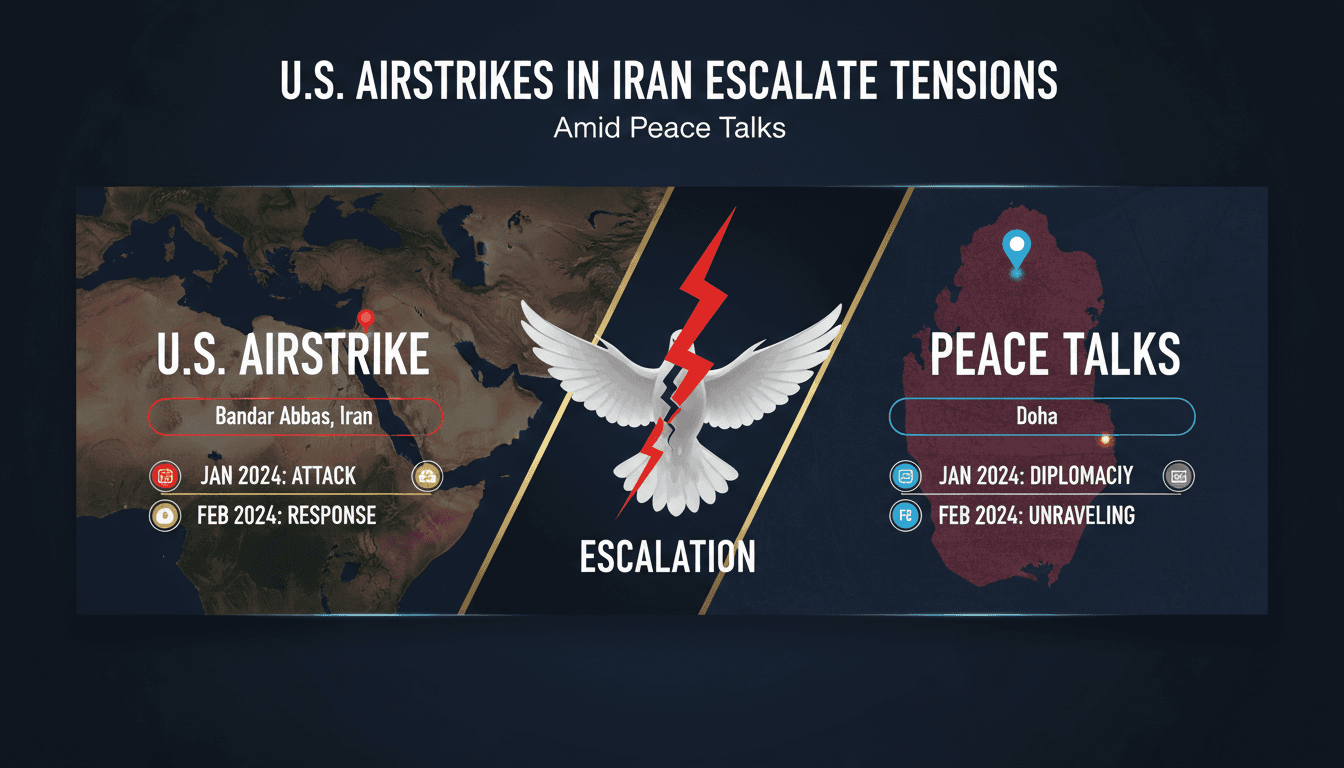
Here's what it means for you.
The recent U.S. airstrikes in Iran have significant implications for regional stability and international relations. As Iranian and Qatari negotiators engage in peace talks, these military actions threaten to derail diplomatic efforts and exacerbate existing tensions. Stakeholders in the region, including the European Union, are closely monitoring the situation, as it could impact maritime security and broader geopolitical dynamics. The potential for increased military responses from Iran raises concerns about further destabilization in the region. This situation underscores the fragility of peace negotiations and the challenges faced by diplomats striving for a resolution.
What happened
The U.S. conducted airstrikes in Bandar Abbas, Iran, which has drawn strong condemnation from Iranian officials. These strikes are viewed as a violation of a ceasefire and a direct threat to Iran's sovereignty. The airstrikes targeted sites that were allegedly involved in missile launches and mine-laying operations, intensifying the already strained relations between the two nations.
Iran's foreign ministry has vowed to defend its sovereignty against these actions, indicating a potential for retaliatory measures. The strikes occurred while Iranian and Qatari negotiators were engaged in peace talks in Doha, further complicating the diplomatic landscape.
The Context
The backdrop of this incident involves ongoing tensions between the U.S. and Iran, particularly in the context of military actions and diplomatic negotiations. The airstrikes come at a critical time when efforts for peace in the region are underway, highlighting the delicate balance between military posturing and diplomatic dialogue.
Iranian officials have expressed that U.S. actions undermine these negotiations, raising questions about the future of peace talks. The European Union has also called for the restoration of safe navigation in the Strait of Hormuz, emphasizing the broader implications of military actions on regional security.
Takeaway
Looking ahead, the outcome of the ongoing negotiations in Doha will be crucial in determining the next steps for both Iran and the U.S. The potential for increased military responses from Iran could complicate diplomatic efforts and escalate tensions further. Observers will be watching closely for any shifts in Iran's military and diplomatic strategies in response to the airstrikes.
The situation remains precarious, with the possibility of further military actions or retaliatory measures that could destabilize the region even more.
24/7 international news from a French perspective in multiple languages.
"France 24 is viewed as a globally focused outlet with balanced coverage and a European perspective."
— A47 Editor
Iran condemns US ceasefire 'violations' after strikes in south
Iran has condemned recent U.S. military strikes on the southern port city of Bandar Abbas, labeling them as violations of its sovereignty and a breach of a ceasefire agreement. Iranian officials, including spokesman Esmaeil Baqaei, have vowed to take...
International coverage of politics, culture, and current affairs.
"BBC News is widely regarded as a reputable international news organization, known for its impartial tone and public service mandate."
— A47 Editor
Iran condemns US strikes as 'gross violation' of ceasefire
Iran has condemned recent U.S. military strikes on its missile sites and naval vessels as a 'gross violation' of a ceasefire agreement, which occurred while Iranian and Qatari negotiators were engaged in peace talks in Doha. The U.S. Central Command ...
Arabic-language coverage of political affairs and current events.
"Okaz political coverage typically follows mainstream Saudi framing on national and regional affairs."
— A47 Editor
إيران تتهم أمريكا بانتهاك التهدئة وتتوعد بالرد
The Iranian Foreign Ministry accused the United States of violating a ceasefire in Hormozgan province after U.S. Central Command conducted defensive strikes in southern Iran, targeting missile launch sites and Iranian boats allegedly attempting to pl...