
Polestar banned from U.S. market due to regulatory issues with Chinese software
Here's what it means for you.
Polestar's withdrawal from the U.S. market signals a significant shift in the landscape for foreign electric vehicle manufacturers. The ban highlights the increasing regulatory scrutiny on technology companies with ties to China, which could reshape market dynamics. As geopolitical tensions rise, other foreign automakers may need to reevaluate their strategies to navigate these challenges effectively. This development may also impact consumer choices and the competitive environment for electric vehicles in the U.S., as domestic manufacturers could gain an advantage. Stakeholders should remain vigilant as the situation evolves, particularly regarding potential regulatory changes.
What happened
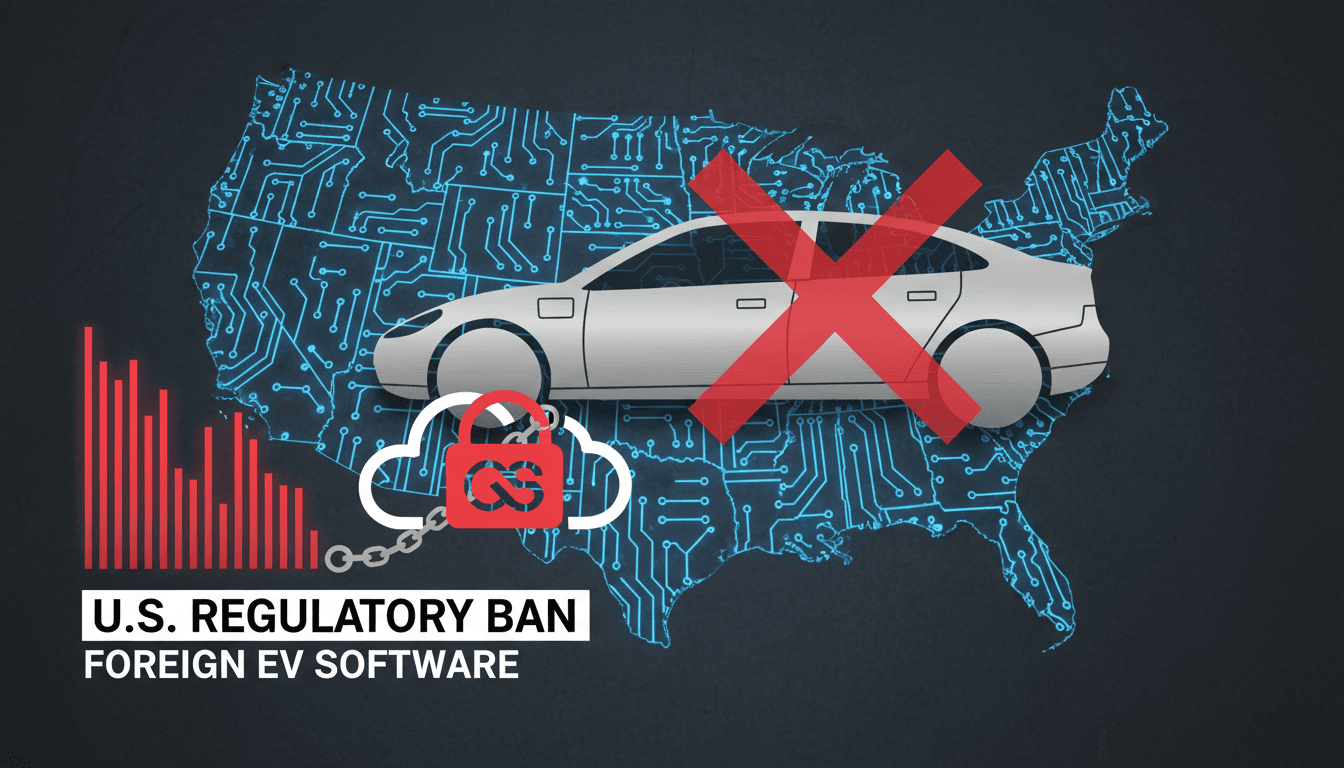
Polestar, a Chinese-owned electric vehicle manufacturer, has officially withdrawn from the U.S. market following a government ban on its EV sales. This ban stems from U.S. regulations that prohibit the use of Chinese software in vehicles, reflecting growing concerns over national security. As a result of this decision, Polestar will not be able to sell any vehicles in the U.S. market.
The announcement was made on June 25, 2026, and Polestar's withdrawal was finalized the following day. This swift action underscores the urgency of regulatory pressures faced by foreign automakers in the current geopolitical climate.
The Context
The ban on Polestar is part of a broader trend of increasing scrutiny on foreign technology companies operating in the U.S. The U.S. government's focus on national security and technology sovereignty has raised concerns about the implications of foreign software in vehicles. Polestar's ties to China have made it a target for regulators, reflecting the heightened tensions between the two nations regarding technology and trade.
As the U.S. continues to tighten regulations, foreign EV manufacturers may face additional hurdles in the market. This situation compels companies like Polestar to reassess their market strategies and partnerships to remain competitive in an evolving landscape.
Takeaway
The ban on Polestar may lead to further restrictions on foreign electric vehicle manufacturers in the U.S. market. Stakeholders should monitor potential changes in U.S. regulations that could impact foreign automakers and their ability to operate. Additionally, it will be crucial to observe Polestar's response and any strategies it may develop to re-enter the U.S. market in the future.
As geopolitical tensions continue to shape trade policies, the implications for foreign EV manufacturers could be significant. The evolving regulatory environment will likely influence the competitive landscape for electric vehicles in America.
Latest tech news, product reviews, and analysis for consumers and professionals.
"CNET delivers accessible and detailed technology reporting, including trusted product reviews and how-to guides."
— A47 Editor
Polestar Faces a Ban on Selling Its EVs in the US
Polestar has been denied authorization by the U.S. government to sell its electric vehicles starting from model year 2027 due to new regulations that prohibit vehicles with software sourced from China. This decision significantly impacts the automake...
Stock market news, investing ideas, and trading analysis.
"TheStreet provides market news and retail-investor-focused analysis."
— A47 Editor
A U.S.-built EV brand just got banned from America
A U.S.-built electric vehicle (EV) brand has been banned from selling its cars in America due to new regulations prohibiting the use of Chinese software in vehicles. This decision reflects ongoing tensions regarding technology and trade policies betw...
U.S. business news, corporate developments, and economy.
"The Wall Street Journal is respected for deep financial and economic reporting with a center-right editorial perspective."
— A47 Editor
U.S. Bans Polestar, Chinese-Owned EV Maker, From Selling Cars in the U.S.
The U.S. government has implemented a rule that prohibits the use of Chinese software in vehicles, leading Polestar, a Chinese-owned electric vehicle manufacturer, to withdraw from the U.S. market. This decision marks a significant shift in the compe...