
Trump Delays Decision on Housing Bill Blocking CBDC Until 2030
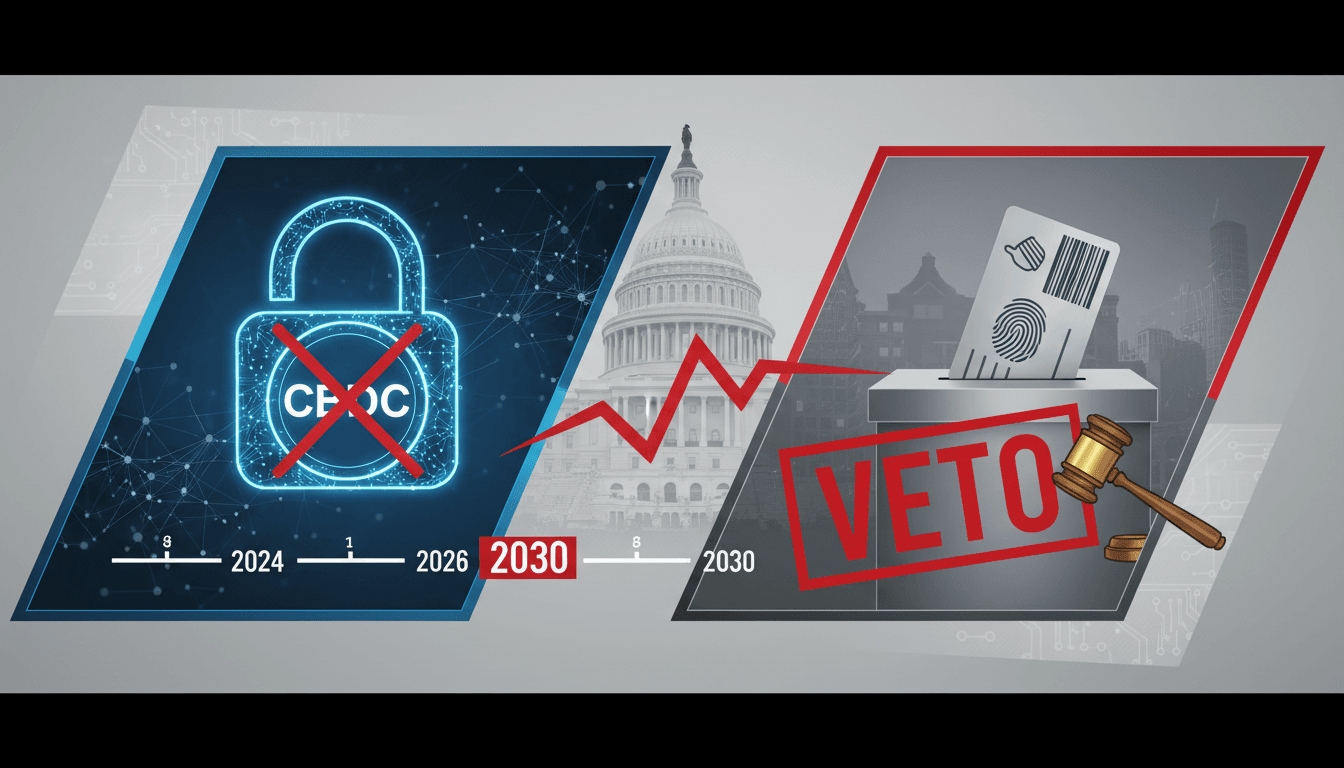
Here's what it means for you.
President Trump's decision to delay the bipartisan housing bill could have significant implications for the future of digital currencies in the U.S. By linking the bill to a rejected voter-ID law, he is engaging in a political strategy that may stall regulatory progress. The outcome of this decision will likely influence both the cryptocurrency market and voter eligibility laws moving forward. The potential ban on a central bank digital currency (CBDC) until 2030 reflects ongoing tensions in U.S. monetary policy. Stakeholders in the financial sector will be closely monitoring the developments as they could reshape the landscape for digital currencies.
What happened
President Donald Trump is currently deliberating on a bipartisan housing bill that includes a provision to prohibit the Federal Reserve from issuing a central bank digital currency until 2030. He has ten days to make a decision on the bill, which was transmitted to him by House Speaker Mike Johnson. Reports indicate that Trump is delaying his signature, linking it to a separate voter-ID law that has already faced rejection in the Senate.
This housing bill represents a significant legislative effort to influence the future of digital currencies in the United States. The proposed ban on a CBDC is a critical aspect of the bill, as it sets a deadline for the Federal Reserve's potential actions in this area. The political maneuvering surrounding this decision highlights the complexities of U.S. policy regarding digital currencies.
The Context
The housing bill's transmission to Trump comes amid broader discussions about digital currency regulation and voter eligibility. Trump's insistence on a voter-ID law, which has been rejected by the Senate, adds a layer of complexity to the legislative process. This situation underscores the ongoing tensions between different political factions regarding both monetary policy and electoral integrity.
As the deadline for Trump's decision approaches, the implications of his choice will resonate across various sectors. The housing bill's provision to block a CBDC until 2030 could significantly impact the regulatory landscape for cryptocurrencies in the U.S. Stakeholders, including financial institutions and policymakers, are keenly aware of the potential ramifications.
Takeaway
The outcome of Trump's decision on the housing bill will be pivotal in shaping the future of digital currency regulation in the United States. Observers should watch for potential reactions from Congress regarding the bill and any future developments related to voter-ID legislation. The interplay between these two issues could have lasting effects on both the cryptocurrency market and voter laws.
As the political landscape evolves, the implications of this decision will unfold, potentially reshaping the regulatory framework for digital currencies. Stakeholders will need to remain vigilant as the situation develops.
Real-time updates, analysis, and reports on the blockchain and cryptocurrency sectors.
"Crypto News delivers real-time updates, analysis, and reports on the blockchain and cryptocurrency sectors."
— A47 Editor
CBDC ban rides housing bill into Trump’s 10-day deadline
Former President Donald Trump has a 10-day deadline to act on a bipartisan housing bill that includes a ban on the Federal Reserve's ability to issue Central Bank Digital Currencies (CBDCs) until 2030. This legislation has passed both the House and S...
Covers blockchain, cryptocurrency news, project analysis, and market insights.
"Cointelegraph is a leading crypto-focused media outlet known for timely news, analysis, and educational content related to blockchain and digital assets."
— A47 Editor
Donald Trump has 10 days to decide on housing bill with CBDC ban
House Speaker Mike Johnson has sent a housing bill to former President Donald Trump, which includes a provision that prohibits the U.S. Federal Reserve from issuing Central Bank Digital Currencies (CBDCs) until 2030. Trump has 10 days to make a decis...
Covers Bitcoin plus altcoin news, market updates, and educational resources.
"Bitcoin.com provides news, market data, and guides focused on Bitcoin and the wider crypto industry."
— A47 Editor
Trump Holds Up CBDC Ban Through 2030 as He Demands a Voter-ID Law
Former President Donald Trump has delayed signing a bipartisan housing bill that includes a ban on the Federal Reserve's ability to issue Central Bank Digital Currencies (CBDCs) until 2030, while also demanding a voter-ID law. This legislative move r...