
Iran and the United States move closer to a potential agreement to end hostilities
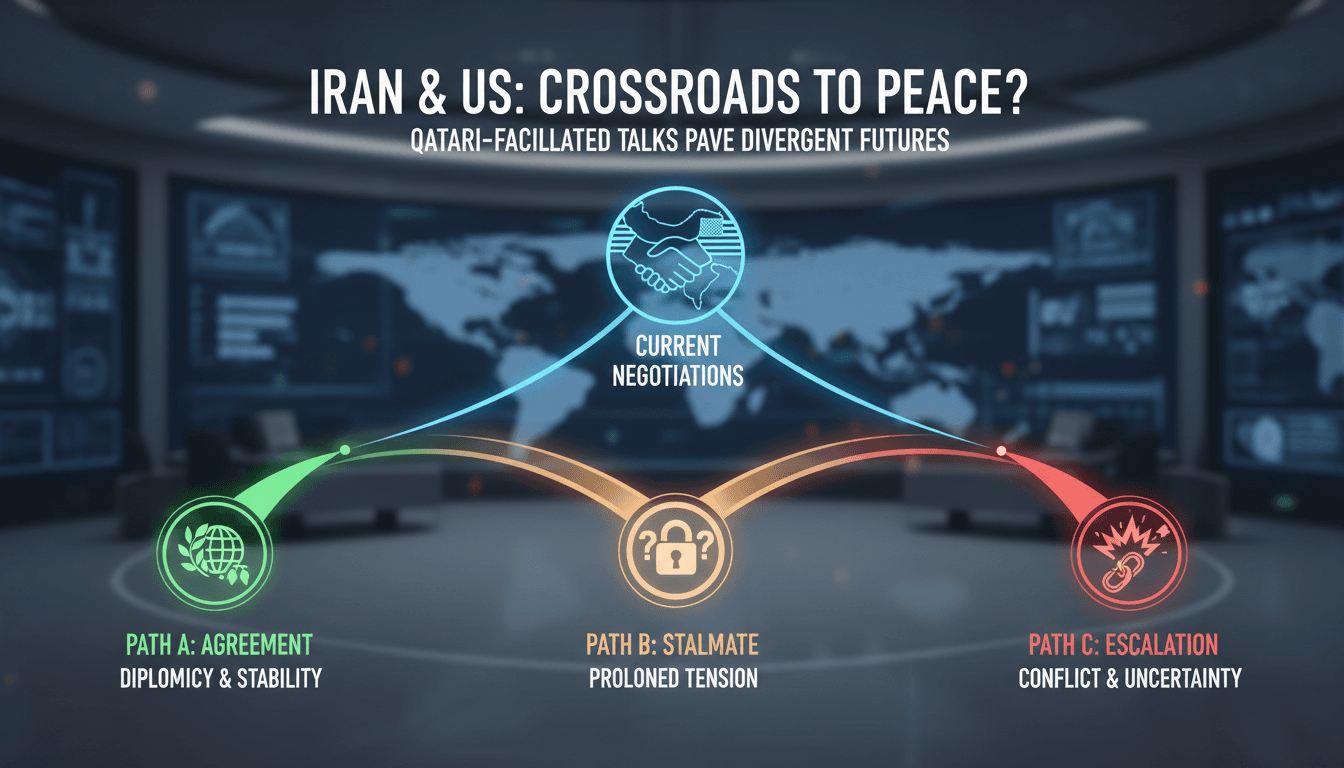
Here's what it means for you.
The potential agreement between Iran and the United States could reshape the geopolitical landscape of the Middle East. A successful resolution may lead to improved relations and enhanced stability in a region often marked by conflict. For businesses and policymakers, this development signals a critical juncture that could influence energy markets and international trade routes. As negotiations progress, stakeholders should remain vigilant about the implications for sanctions and regional alliances. The outcome may also affect broader discussions surrounding Iran's nuclear program and its role in global security.
What happened
Iran is currently evaluating a memorandum of understanding with the United States aimed at potentially ending the ongoing conflict between the two nations. The discussions have been ongoing for over three months, with a Qatari delegation facilitating the negotiations in Tehran. While U.S. officials express optimism about reaching a strong agreement soon, Iran's final decision on the proposal remains uncertain.
The proposed agreement includes significant measures such as reopening the Strait of Hormuz without fees and lifting the U.S. blockade on Iranian ports. These elements are critical to both nations as they seek to address longstanding tensions and foster a more stable environment.
The Context
The negotiations come at a time when regional stability is paramount, and the involvement of a Qatari delegation highlights the importance of third-party mediation in complex diplomatic discussions. The proposed memorandum of understanding is expected to last for 60 days, after which broader negotiations regarding Iran's nuclear program and other contentious issues may commence.
The outcome of these talks could have far-reaching implications for U.S.-Iran relations and the overall security landscape in the Middle East. As both nations weigh the political, legal, and technical aspects of the proposals, the stakes are high for regional allies and adversaries alike.
Takeaway
The next few days will be crucial as Iran deliberates its decision on the memorandum of understanding. A positive outcome could lead to a significant diplomatic breakthrough, while a negative response may result in a continuation of hostilities. Observers should closely monitor further developments in U.S.-Iran negotiations, particularly regarding nuclear issues and sanctions.
As the situation evolves, the international community will be watching for Iran's final stance and the potential ripple effects on regional dynamics. The implications of these discussions extend beyond immediate hostilities, influencing future diplomatic relations and economic conditions.
Pan-Arab news coverage spanning politics, business, sports, and regional affairs.
"Asharq Al-Awsat reflects a broad Arab editorial perspective with strong attention to regional geopolitics."
— A47 Editor
«اتفاق إيران»... ضغوط اللحظات الأخيرة
Washington and Tehran are nearing a potential signing of a memorandum of understanding aimed at ending the ongoing conflict, but Tehran has rejected the idea of signing it according to the timing set by U.S. President Donald Trump.
Arabic-language coverage of political affairs and current events.
"Okaz political coverage typically follows mainstream Saudi framing on national and regional affairs."
— A47 Editor
بانتظار القرار النهائي.. غموض موقف إيران يثير التساؤلات بشأن «مذكرة التفاهم»
The Iranian stance on the anticipated agreement with the United States remains unclear as of Sunday, with a source close to the negotiation team indicating that Tehran is still studying the proposed memorandum of understanding. The evaluation of the ...
Arabic political reporting and analysis.
"Arabic Post is a digital outlet focused on politics and regional affairs."
— A47 Editor
وسط مخاوف من “فخ استراتيجي”.. طهران حائرة بين استئناف محتمل للحرب أو التوصل لاتفاق مع واشنطن
Reports indicate that the United States and Iran are nearing a potential agreement, which includes a 60-day memorandum of understanding, followed by broader negotiations on Iran's nuclear program and other contentious issues. This development comes a...