
EU Upholds Entry/Exit System Amid Travel Disruptions
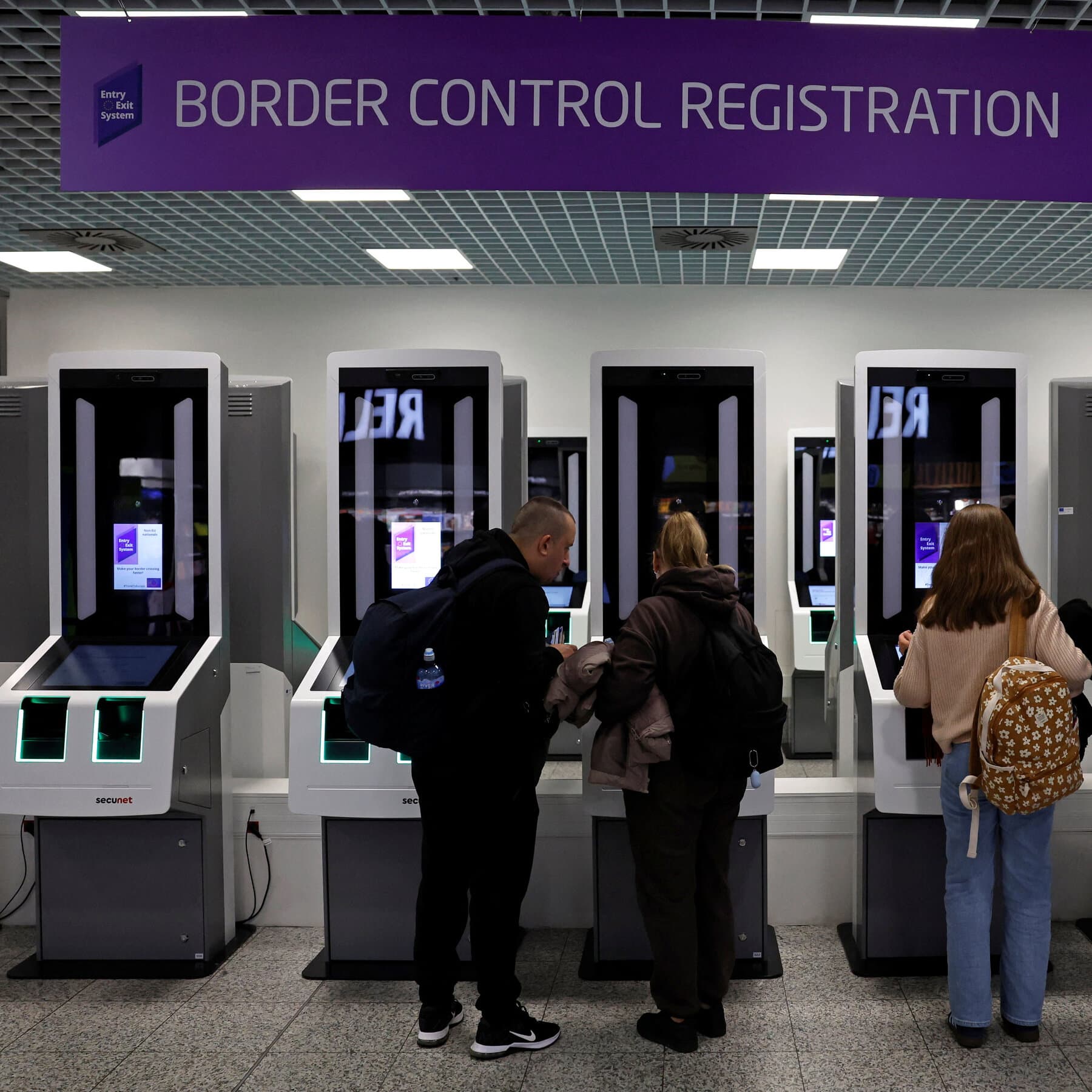
Here's what it means for you.
The European Union's decision to maintain the Entry/Exit System (EES) underscores its commitment to enhancing border security through biometric data collection. This move comes despite significant operational challenges, particularly during peak travel seasons, which could impact travelers' experiences at airports. As the aviation industry continues to face disruptions, the EU's stance may lead to ongoing scrutiny and calls for improvements in the system. Travelers should prepare for potential delays and longer wait times as the EES is fully operational. The EU's focus on refining the system suggests that while security measures are prioritized, the convenience of travelers remains a critical consideration.
What happened
The European Union has decided against suspending the Entry/Exit System (EES) for biometric border controls, despite significant operational challenges reported at airports. This decision comes in response to ongoing travel disruptions and calls from the aviation industry for a pause in the system's implementation. EU officials acknowledge that the EES has led to long queues and missed flights, particularly as the summer travel season approaches.
Since its rollout, the EES has recorded approximately 110 million border crossings, highlighting its scale and impact on travel. The EU maintains that suspending the system is impractical and unnecessary, emphasizing its role in tracking border movements effectively.
The Context
The Entry/Exit System requires biometric data from travelers entering and exiting the Schengen Area, aiming to enhance border security. However, airports and airlines have reported significant delays and operational issues since the system's implementation in April 2026. The EU's commitment to the EES reflects a broader strategy to balance security needs with traveler convenience, especially during busy travel periods.
As the summer travel season progresses, the EU faces pressure from the aviation sector to address the operational challenges posed by the EES. The system has already helped prevent the illegal entry of approximately 44,000 individuals, showcasing its effectiveness in border control. Member states have the option to temporarily suspend biometric registration for up to six hours to manage congestion, indicating a willingness to adapt to immediate challenges.
Takeaway
Looking ahead, it will be crucial to monitor the performance improvements of the EES during peak travel times. The EU's commitment to refining the system suggests that ongoing challenges for travelers will persist as officials seek to enhance operational efficiency. Potential policy changes or temporary suspensions by member states may also emerge as solutions to alleviate congestion.
As the aviation industry continues to voice concerns, the EU's response will likely shape the future of border control processes in Europe. The balance between security and traveler convenience will remain a focal point as the system evolves.
Markets, economy, and company analysis from NYT’s business desk.
"The New York Times is a globally recognized newspaper offering authoritative reporting with a center-left editorial stance."
— A47 Editor
EU Rejects Plea to Pause Troubled EES Biometrics System at Airports Ahead of Summer Rush
The European Union has rejected a request from the aviation industry to pause the implementation of its new biometric Entry/Exit System (EES) at airports, which has been in effect since April. This system requires travelers to provide biometric data,...
International news coverage curated for readers in the UAE and Gulf region.
"Emirates 24|7 world coverage presents global developments through a UAE-facing and Gulf-relevant editorial lens."
— A47 Editor
EU stands by Entry/Exit System despite travel disruption
The European Union has reaffirmed its commitment to the Entry/Exit System (EES) for biometric border controls, despite significant travel disruptions reported at airports and border crossings since its implementation. The system, which requires non-E...
UK and international business news, economics, and corporate coverage.
"The Guardian’s business section covers finance and markets with a progressive editorial tone."
— A47 Editor
EU rejects suspending biometric border controls despite 20 ‘difficult spots’
The European Union has decided against suspending the implementation of its new biometric border control system, despite acknowledging the existence of 20 problematic areas causing significant delays at airports. This decision comes as the peak summe...
News and current affairs from across Europe.
"The Guardian is known for its progressive editorial stance and in-depth analysis."
— A47 Editor
EU rejects suspending biometric border controls despite 20 ‘difficult spots’
The European Union has decided against suspending the implementation of its new biometric border control system, despite acknowledging the existence of 20 problematic areas causing significant delays at airports. This decision comes as the peak summe...