
U.S.-Led Maritime Task Force Begins Rerouting Operations in Strait of Hormuz
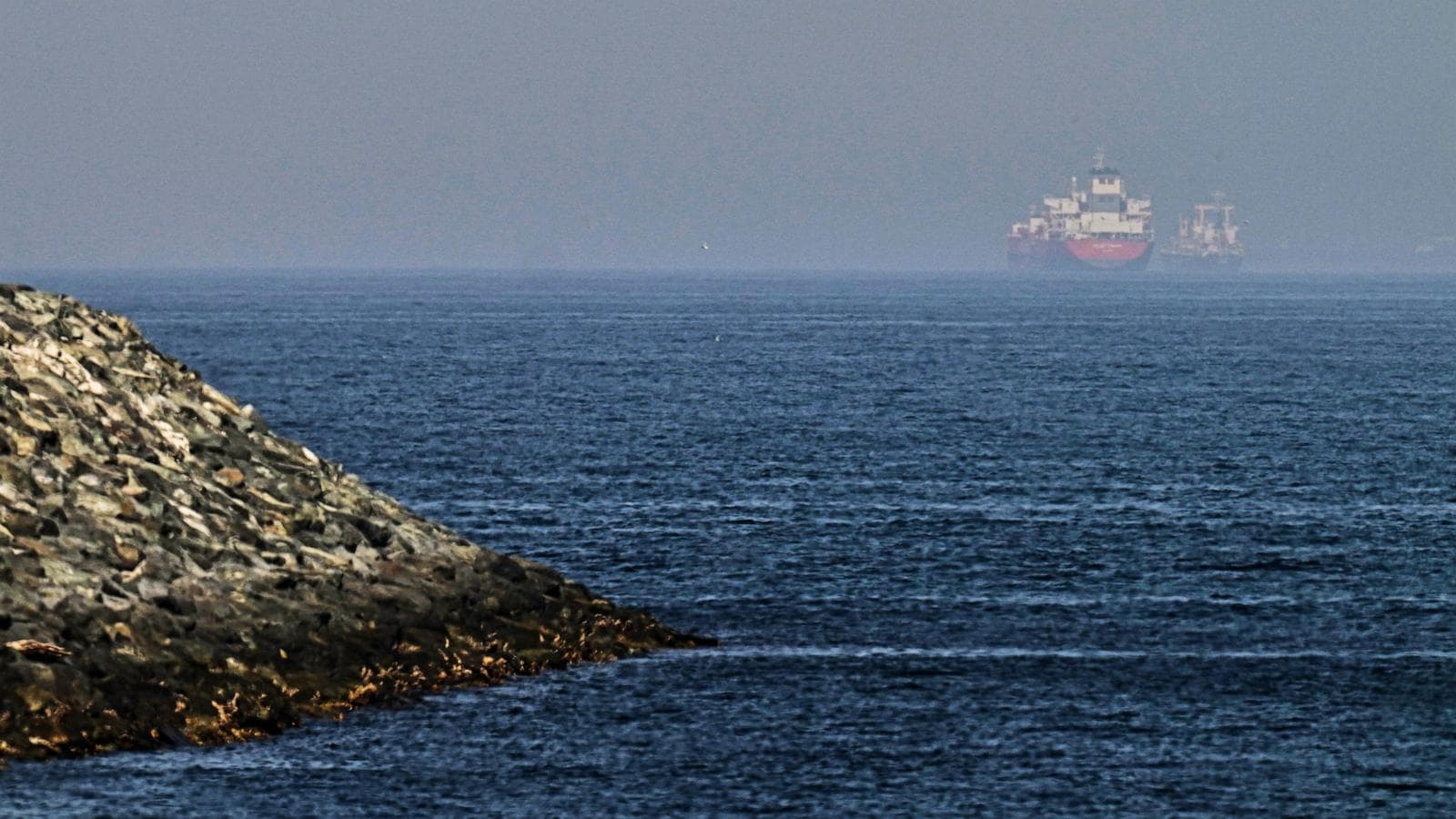
Here's what it means for you.
If you rely on global oil markets, the reopening of the Strait of Hormuz could stabilize prices and ensure steady supply chains.
Why it matters
The Strait of Hormuz is a critical chokepoint for global oil transit, impacting energy prices and supply chains worldwide.
What happened (in 30 seconds)
- On May 4, 2026, a U.S.-led maritime task force initiated rerouting operations for commercial vessels in the Strait of Hormuz.
- The operation aims to mitigate hazards from mines and restore safe passage for ships amid a fragile ceasefire in the U.S.-Iran war.
- Initial compliance from commercial vessels was reported, with no incidents on the first day of the operation.
The context you actually need
- The Strait of Hormuz is a narrow passage through which approximately 20% of the world's oil transits, making it vital for global energy security.
- Disruptions began following the U.S.-Israel war against Iran on February 28, 2026, leading to Iranian-imposed tolls and mine deployments that halted shipping.
- A fragile ceasefire emerged in late April 2026, prompting U.S. efforts to restore commercial traffic and enhance maritime security.
What's really happening
The U.S.-led maritime task force's operation in the Strait of Hormuz is a direct response to significant disruptions caused by the ongoing U.S.-Iran conflict. Following the initiation of hostilities on February 28, 2026, Iran's deployment of mines and drones effectively closed the strait, a crucial maritime route for global oil. This closure not only threatened the flow of oil but also raised prices globally, impacting economies reliant on stable energy supplies.
In response, the U.S. implemented a naval blockade on April 13, 2026, aimed at curtailing Iranian oil revenues and protecting commercial shipping. This blockade stranded numerous vessels in the Persian Gulf, exacerbating the situation. The announcement of a ceasefire in late April created a window for the U.S. to act, leading to the establishment of the Joint Maritime Information Center, which coordinates rerouting operations.
On May 4, 2026, the task force issued advisories to commercial vessels, warning of extreme hazards from unsurveyed mines in traditional shipping lanes. Mariners were instructed to reroute south into an enhanced security area, coordinating with Omani traffic services to manage congestion. The operation involves significant military resources, including guided-missile destroyers, over 100 aircraft, and 15,000 service members, underscoring the seriousness of the U.S. commitment to restoring safe passage.
The initial compliance from commercial vessels indicates a cautious optimism among shipping operators, as the first day of rerouting operations reported no incidents. However, the situation remains delicate, with Iranian officials condemning the U.S. actions as a potential violation of the ceasefire. The geopolitical tensions surrounding this operation highlight the fragility of maritime security in the region and the potential for rapid escalation should hostilities resume.
As the operation continues, the implications for global oil markets are significant. The Strait of Hormuz's reopening could stabilize oil prices, which had previously surged due to the conflict. However, the introduction of new shipping routes may lead to short-term delays and increased insurance costs for vessels, impacting supply chains in the immediate future.
Who feels it first (and how)
- Shipping operators: They will need to adapt to new routes and potential delays.
- Oil markets: Fluctuations in oil prices will directly affect energy costs globally.
- Consumers: Increased oil prices can lead to higher costs for goods and services.
- Dubai traders: As a regional trade hub, they may face short-term disruptions but could benefit from restored shipping lanes.
What to watch next
- Compliance rates: Monitor how many vessels adhere to the new routing and any incidents that may arise.
- Iran's response: Watch for any military or diplomatic actions from Iran that could escalate tensions.
- Oil price fluctuations: Keep an eye on global oil prices as the situation evolves, particularly in response to the reopening of the Strait.
The U.S. has initiated rerouting operations to enhance maritime security in the Strait of Hormuz.
Oil prices may stabilize if the operation successfully restores safe passage for vessels.
The long-term impact of Iranian responses to U.S. actions and the durability of the ceasefire.
This article was generated by AI from 11 verified sources and reviewed by A47 editorial systems.
Major U.S. developments and regional news.
"ABC News delivers broad national coverage with a mainstream editorial stance, focusing on accessibility and balanced reporting."
— A47 Editor
U.S.-led task force tells ships to reroute on first day of new effort to reopen the Strait of Hormuz
The United States has initiated a new task force aimed at guiding ships through the Strait of Hormuz, a critical maritime route, to assist vessels that have been stranded due to ongoing tensions in the region. This effort marks the first day of opera...
Macro commentary, policy analysis, growth/inflation themes, and global outlooks.
"Contextual macro coverage that complements day-to-day market headlines."
— A47 Editor
European stocks subdued as U.S. begins new effort to reopen Strait of Hormuz
European stocks have remained subdued as the U.S. initiates a new effort to reopen the strategically vital Strait of Hormuz, a key maritime route for global oil shipments. This development comes amid ongoing geopolitical tensions involving Iran, whic...
Global markets, investing, and macroeconomics from a premier financial newsroom.
"Bloomberg is respected for in-depth financial reporting and data-driven analysis."
— A47 Editor
Trump Hormuz Plan Leaves Shipowners Guessing as Attacks Persist
U.S. President Donald Trump has announced a new plan to assist vessels navigating the Strait of Hormuz, a critical maritime route, amid ongoing attacks that have left shipping executives uncertain about the safety of their operations. The announcemen...
Markets desk coverage, trading insights, and investor updates.
"WSJ’s markets reporting provides in-depth analysis and context for investors."
— A47 Editor
Oil Slips After Trump Says U.S. Will Assist Stranded Ships in Hormuz
Oil prices have dipped following President Donald Trump's announcement that the U.S. will assist commercial vessels in navigating the Strait of Hormuz, a crucial maritime route for oil shipments. This initiative aims to alleviate congestion caused by...
Global markets, investing, and macroeconomics from a premier financial newsroom.
"Bloomberg is respected for in-depth financial reporting and data-driven analysis."
— A47 Editor
US to Guide Trapped Ships Through Hormuz; Oil Steadies | Horizons Middle East & Africa 4/5/2026
US President Donald Trump announced that the United States will begin guiding neutral ships trapped in the Persian Gulf through the Strait of Hormuz starting Monday, a move aimed at ensuring safe maritime navigation amid escalating tensions in the re...
Global markets, investing, and macroeconomics from a premier financial newsroom.
"Bloomberg is respected for in-depth financial reporting and data-driven analysis."
— A47 Editor
Trump Says US to Guide Ships Through Hormuz & US-EU Tariffs Dispute | Daybreak Europe 05/04/2026
President Trump announced that the U.S. will begin guiding stranded ships from neutral countries through the Strait of Hormuz starting Monday, as part of a humanitarian initiative dubbed 'Project Freedom.' This effort comes amid ongoing tensions in t...
Corporate news, economic trends, and markets with UK and global scope.
"BBC News is widely regarded as reputable and impartial, with a public service mandate."
— A47 Editor
Trump says US to 'guide' stranded ships through Strait of Hormuz
President Donald Trump announced that the U.S. will begin guiding stranded ships from neutral countries through the Strait of Hormuz starting Monday, as part of a humanitarian initiative named 'Project Freedom.' This operation will involve over 100 a...
Regional and international reporting focused on Middle Eastern politics, diplomacy, and economics.
"Asharq Al-Awsat is a Saudi-owned international newspaper reflecting mainstream Gulf political perspectives."
— A47 Editor
Iran's Armed Forces Warn the US Against Entering Strait of Hormuz
Iran's Armed Forces have issued a warning to the United States against entering the Strait of Hormuz, a critical maritime route, amid rising tensions in the region. This warning follows a series of escalatory statements from Iranian officials regardi...
UAE-based English-language newspaper covering regional politics, economics, and global affairs.
"The National reflects Emirati policy perspectives while maintaining international editorial standards."
— A47 Editor
Iran war latest: US to begin 'Operation Project Freedom' to guide ships out of Hormuz
The United States has announced the initiation of 'Operation Project Freedom,' aimed at escorting ships through the strategically important Strait of Hormuz, starting Monday. This operation follows reports of a tanker being struck by projectiles in t...
Regional and international reporting focused on Middle Eastern politics, diplomacy, and economics.
"Asharq Al-Awsat is a Saudi-owned international newspaper reflecting mainstream Gulf political perspectives."
— A47 Editor
Oil Slips After Trump Says US Will Assist Ships Stranded in Strait of Hormuz
President Donald Trump announced that the United States will assist in freeing ships stranded in the Strait of Hormuz, a critical maritime route for global oil transport, starting Monday. This initiative, termed 'Project Freedom,' follows reports of ...
Regional and international reporting focused on Middle Eastern politics, diplomacy, and economics.
"Asharq Al-Awsat is a Saudi-owned international newspaper reflecting mainstream Gulf political perspectives."
— A47 Editor
Trump Says US Will ‘Guide’ Stranded Ships from Strait of Hormuz, Starting Monday
President Donald Trump announced that the United States will begin operations to escort ships stranded in the Strait of Hormuz starting Monday, following reports of a tanker being struck by projectiles in the region. This initiative, termed 'Project ...