
US Naval Blockade Redirects Over 100 Commercial Vessels to Pressure Iran
Here's what it means for you.
The U.S. Central Command's naval blockade against Iran is a significant escalation in regional tensions, impacting global shipping routes and economic activities. With over 100 commercial vessels redirected, stakeholders in maritime trade should prepare for potential disruptions. This blockade not only affects shipping logistics but also raises questions about the stability of the Strait of Hormuz, a critical chokepoint for oil transport.
What happened
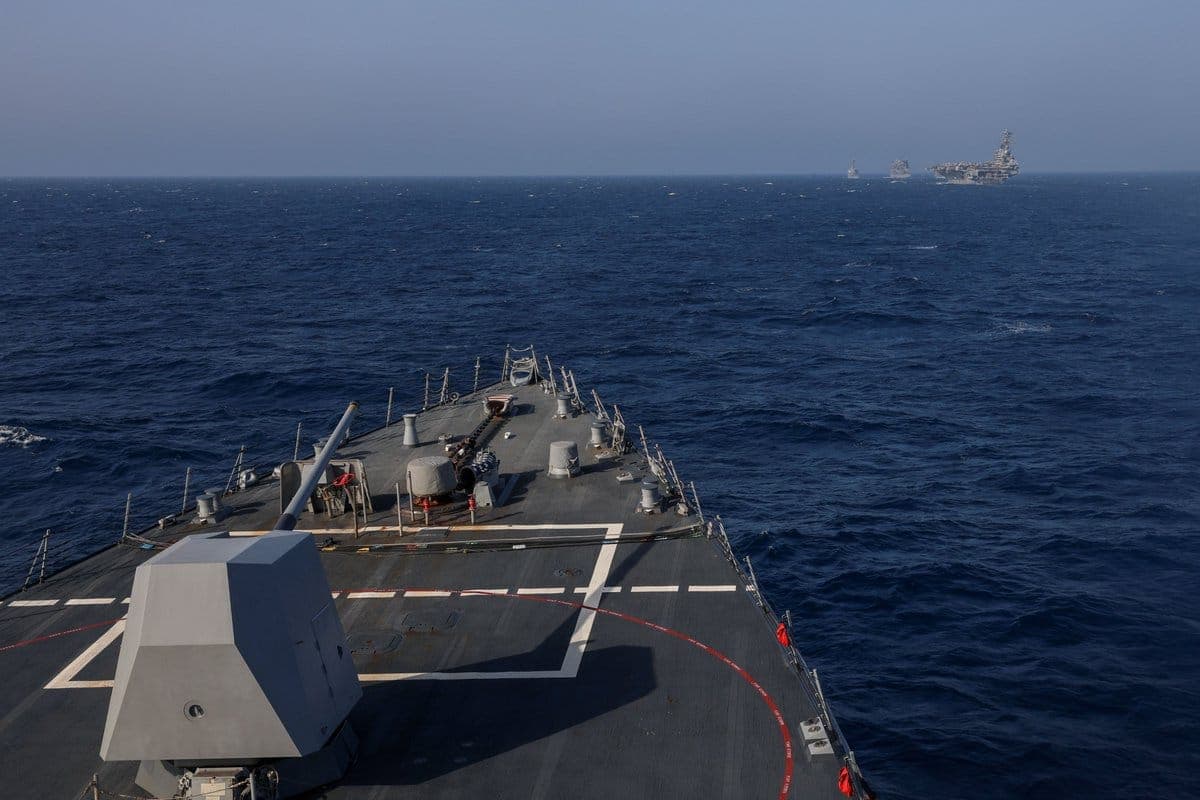
The U.S. Central Command has reported the redirection of more than 100 commercial vessels as part of a naval blockade against Iran, which began on April 13, 2026. This operation aims to exert economic pressure on Iran amid ongoing regional tensions. The blockade affects all vessels entering or leaving Iranian ports, highlighting the U.S. commitment to curbing Iran's economic activities.
Over 15,000 U.S. military personnel are involved in this operation, which also includes the participation of more than 200 U.S. aircraft and warships. While the blockade is stringent, U.S. forces have allowed 26 humanitarian aid vessels to pass, indicating a nuanced approach to the situation. The redirection of these vessels marks a robust U.S. response to perceived threats from Iran.
The Context
The blockade was initiated at the direction of President Trump, reflecting a strategic shift in U.S. foreign policy towards Iran. The ongoing tensions in the region have prompted this decisive action, as the U.S. seeks to assert its military presence and influence. The Strait of Hormuz is a vital maritime corridor, and any disruption here could have far-reaching implications for global trade and energy supplies.
As the blockade continues, the situation remains tense, with potential Iranian responses that could further destabilize the region. The involvement of significant military resources underscores the seriousness of the U.S. stance. Stakeholders must remain vigilant as developments unfold, particularly regarding shipping routes and regional stability.
Takeaway
The ongoing blockade may further escalate tensions between the U.S. and Iran, with implications for maritime security and global shipping. Observers should monitor potential Iranian responses to the blockade, as these could influence the geopolitical landscape. Changes in shipping routes in the Strait of Hormuz are also likely, which could affect supply chains and market dynamics.
As the situation evolves, the international community will be watching closely for any signs of escalation or diplomatic resolution. The implications of this blockade extend beyond immediate military concerns, impacting economic stability and trade relationships in the region.
Capitol Hill news, legislation, and policy insight.
"The Hill specializes in U.S. politics and policy, with a focus on Capitol Hill developments and a reputation for insider reporting."
— A47 Editor
100 ships redirected amid naval blockade of Iran ports, Strait of Hormuz: Centcom
U.S. Central Command (Centcom) has redirected over 100 commercial vessels amid an ongoing naval blockade of Iranian ports in the Strait of Hormuz, marking a significant escalation in regional tensions. This blockade, initiated in April under Presiden...
Arabic-language coverage of political affairs and current events.
"Okaz political coverage typically follows mainstream Saudi framing on national and regional affairs."
— A47 Editor
القيادة المركزية الأمريكية: قواتنا تشكل ضغطاً على إيران
The U.S. Central Command (CENTCOM) announced that its forces have redirected over 100 commercial vessels as part of a maritime blockade against Iran, initiated on April 13 following a directive from President Donald Trump. Over the past six weeks, mo...
Arabic-language political and world news coverage for UAE readers.
"Emarat Al Youm world coverage usually presents international developments through a UAE and Arab audience lens."
— A47 Editor
الجيش الأميركي: أعدنا توجيه 100 سفينة منذ بدء الحصار البحري على إيران الجيش الأميركي: أعدنا توجيه 100 سفينة منذ بدء الحصار البحري على إيران
The U.S. Central Command (CENTCOM) has announced that it has redirected over 100 commercial vessels as part of the maritime blockade against Iran. This action reflects ongoing military operations aimed at controlling maritime traffic in the region.
Global markets, investing, and macroeconomics from a premier financial newsroom.
"Bloomberg is respected for in-depth financial reporting and data-driven analysis."
— A47 Editor
US Says Its Blockade Against Iran Has Redirected 100 Vessels
US forces have redirected 100 commercial vessels during a six-week blockade of Iran’s ports, as reported by Central Command. This action reflects ongoing tensions between the US and Iran, particularly in the context of maritime security and oil trade...
UAE-based newspaper covering Gulf politics, society, and international developments.
"Gulf News is one of the UAE’s most prominent English-language publications."
— A47 Editor
Iran blockade milestone: US says 100+ ships redirected since April 13
The United States has reported that over 100 ships have been redirected since April 13 due to ongoing blockades related to Iran's maritime activities. This development highlights the significant impact of U.S. sanctions and military presence in the r...
A curated Gulf News feed featuring major stories across news, business, opinion, and lifestyle.
"Gulf News is a major UAE newspaper whose featured stories feed reflects a broad editorial mix shaped for a Gulf audience."
— A47 Editor
Iran blockade milestone: US says 100+ ships redirected since April 13
The United States has reported that over 100 ships have been redirected since April 13 due to ongoing blockades related to Iran's maritime activities. This development highlights the significant impact of U.S. sanctions and military presence in the r...