
EU's Pact on Migration and Asylum officially implemented after five years of negotiations
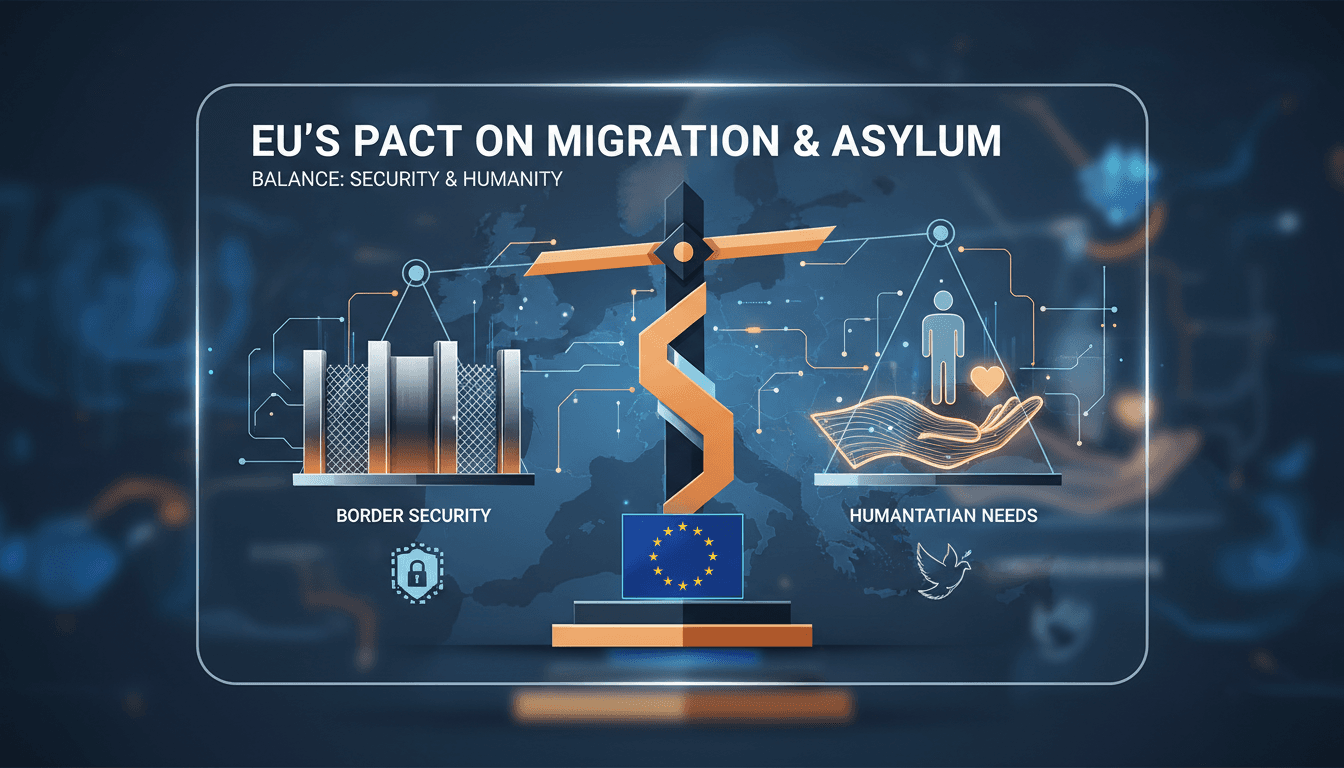
Here's what it means for you.
The European Union's implementation of the Pact on Migration and Asylum marks a significant shift in its approach to migration governance. This new policy aims to enhance border security while ensuring efficient processing of asylum claims, a balance that has been difficult to achieve. Stakeholders, including member states and human rights organizations, will closely monitor the pact's effectiveness and its impact on vulnerable populations. As the EU navigates this complex landscape, the cooperation of member states will be crucial in addressing the challenges posed by migration. The success of this initiative could redefine the EU's role in global migration policy.
What happened
The European Union's Pact on Migration and Asylum has officially come into effect after five years of negotiations. This legislation is designed to improve border management and promote cooperation among member states in handling asylum claims. The implementation of the pact signifies a pivotal moment in the EU's collective migration governance.
Despite its goals, the pact has faced criticism from human rights groups concerned about its potential negative effects on asylum-seekers. The effectiveness of these new rules will be closely monitored as member states begin to implement them.
The Context
The pact is the result of over a decade of negotiations among EU member states, reflecting the complexity of reaching a consensus on migration issues. It seeks to balance the need for enhanced border security with the imperative of efficient asylum processing. Human rights organizations have raised alarms about the potential consequences for vulnerable populations, emphasizing the need for careful oversight.
As the EU embarks on this new chapter, the cooperation of member states will be essential in addressing the concerns raised by advocates. The timing of this implementation is critical, as it comes amid ongoing debates about migration and asylum policies across Europe.
Takeaway
Looking ahead, the effectiveness of the new migration rules will be closely scrutinized, particularly regarding potential legal challenges from human rights groups. Future EU meetings will likely focus on assessing the impact of the migration pact and its implications for asylum-seekers. The ongoing dialogue among member states will be vital in shaping the future of this policy.
As the EU navigates this complex landscape, the ability to address human rights concerns while managing migration effectively will be a key determinant of the pact's success.
Global news coverage with extensive reporting on Middle Eastern conflicts and geopolitics.
"Al Jazeera is a Qatar-based broadcaster known for wide regional coverage and alternative perspectives."
— A47 Editor
Will the new EU migration rules work?
The European Union's new migration policy has officially come into effect, marking a significant shift in the bloc's approach to managing migration. This policy aims to address various challenges related to migration within EU member states, reflecti...
Comprehensive coverage of Middle Eastern and global issues.
"Al Jazeera is a prominent voice from the Global South, especially the Middle East, with an emphasis on underreported stories."
— A47 Editor
Will the new EU migration rules work?
The European Union's new migration policy has officially come into effect, marking a significant shift in the bloc's approach to managing migration. This policy aims to address various challenges related to migration within EU member states, reflecti...
24/7 international news from a French perspective in multiple languages.
"France 24 is viewed as a globally focused outlet with balanced coverage and a European perspective."
— A47 Editor
'Extremely complex legislation: Can they agree on common rules to manage migration together?"
The European Union's new Migration and Asylum Pact has officially come into effect, marking a significant shift in collective migration governance after over a decade of negotiations. This pact aims to enhance border management, streamline asylum pro...
24/7 international news from a French perspective in multiple languages.
"France 24 is viewed as a globally focused outlet with balanced coverage and a European perspective."
— A47 Editor
EU's new rules on migration and asylum come into effect
The European Union's Pact on Migration and Asylum officially comes into effect, marking the culmination of five years of negotiations aimed at strengthening the bloc's external borders and enhancing cooperation among member states in handling asylum ...