
U.S. Resumes Military Operations Against Iran in Strait of Hormuz
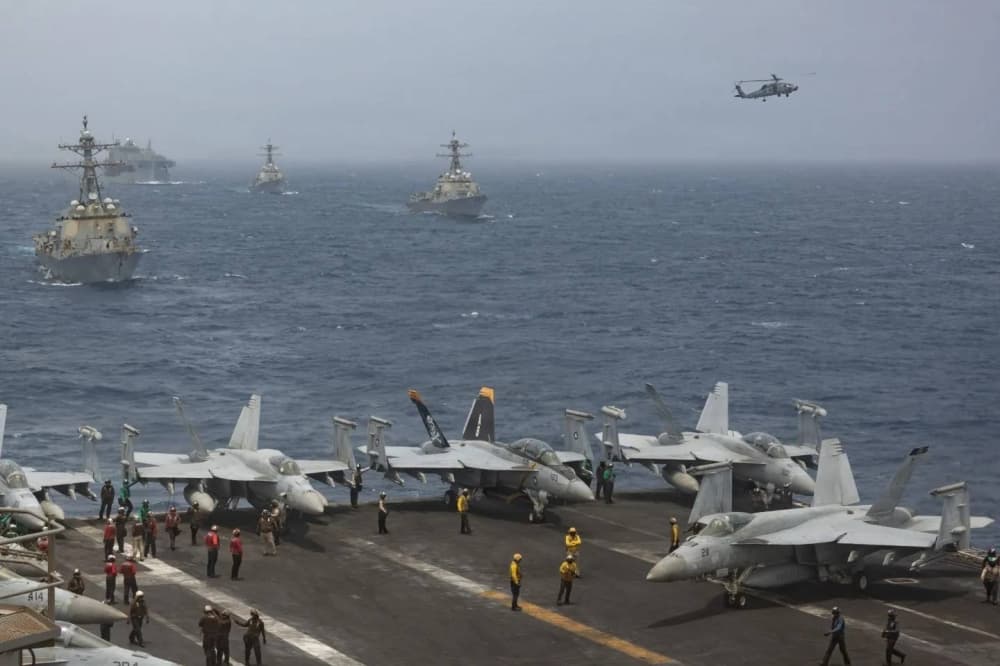
Here's what it means for you.
The resumption of U.S. military operations against Iran signals a significant escalation in tensions that could have far-reaching implications for global oil markets and regional stability. As the U.S. seeks to assert control over the vital Strait of Hormuz, stakeholders in the oil industry should prepare for potential disruptions. The ongoing conflict raises questions about the safety of maritime navigation and the broader geopolitical landscape in the Middle East.
What happened
President Trump has officially informed Congress about the resumption of military operations against Iran, specifically targeting the strategic Strait of Hormuz. This announcement comes amid escalating tensions, with Iran threatening military resistance to U.S. control over the crucial shipping route. Recent U.S. airstrikes have already targeted Iranian military sites, marking a significant increase in military engagement since July 7.
Approximately 20 casualties have been reported in these airstrikes, underscoring the human cost of the conflict. The U.S. aims to curb Iran's influence in the region while ensuring the safety of global oil shipments. This military escalation raises concerns about the potential for wider conflict.
The Context
The Strait of Hormuz is a critical passage for global oil shipments, making it a focal point of U.S.-Iran tensions. The U.S. has positioned itself as the "guardian" of this vital route, while Iran has vowed to resist any attempts at control. The situation has been further complicated by a series of airstrikes targeting Iranian military capabilities, which began on July 7.
As both nations prepare for potential confrontations, the stakes are high for regional stability. The ongoing military actions could lead to significant disruptions in oil supply, impacting global markets. The international community is closely monitoring the developments, as diplomatic efforts may be necessary to de-escalate the situation.
Takeaway
The ongoing military actions and heightened tensions suggest a prolonged conflict that could have lasting effects on global oil markets and regional stability. Stakeholders should keep a close watch on further military engagements in the Strait of Hormuz, as well as any potential diplomatic efforts aimed at reducing tensions. The likelihood of further escalation remains high, with both sides gearing up for possible confrontations.
As the situation evolves, it will be crucial to monitor shifts in military strategies and diplomatic initiatives. The implications of this conflict extend beyond the immediate region, affecting global economic stability and security.
Pan-Arab news coverage spanning politics, business, sports, and regional affairs.
"Asharq Al-Awsat reflects a broad Arab editorial perspective with strong attention to regional geopolitics."
— A47 Editor
من قانون صلاحيات الحرب إلى مضيق هرمز… ترمب يدير التصعيد لا يحسمه
U.S. President Donald Trump officially informed Congress that the airstrikes resumed on July 7 mark the beginning of a new phase of military operations against Iran. This escalation indicates a significant shift in U.S. military engagement in the reg...
Arabic-language coverage of Saudi, regional, and international affairs.
"Al Bilad offers mainstream Saudi newspaper coverage across domestic and broader Arab topics."
— A47 Editor
ترمب: نضرب قدرات إيران في مضيق هرمز.. والتوصل إلى اتفاق ممكن
On Monday, U.S. President Donald Trump announced that the United States is targeting Iranian capabilities related to the Strait of Hormuz, indicating that an agreement with Tehran is possible amid rising military tensions between the two sides. Trump...
Coverage of political affairs and regional developments from a Saudi perspective.
"Al Watan political coverage typically follows a mainstream Saudi framing of regional and national issues."
— A47 Editor
ترمب يلوح بالسيطرة على هرمز وإيران تقاوم المفاوضات بالاختراقات
The U.S.-Iran tensions escalated as President Donald Trump announced that the United States is in the process of taking control of the strategic Strait of Hormuz, following Iran's declaration to halt its compliance with a memorandum of understanding....
Arabic-language coverage of political affairs and current events.
"Okaz political coverage typically follows mainstream Saudi framing on national and regional affairs."
— A47 Editor
انفجارات تهز إيران.. وترمب يبلغ «الكونغرس» باستئناف العمليات
Four powerful explosions were reported in eastern Bandar Abbas, southern Iran, as U.S. President Donald Trump officially notified Congress of the resumption of military operations in Iran. Trump stated that U.S. forces conducted defensive strikes aga...
Arabic-language coverage of international news and geopolitics.
"RT Arabic is a Russian state-funded outlet often criticized for promoting Kremlin-aligned narratives."
— A47 Editor
ترامب يبلغ الكونغرس الأمريكي رسميا باستئناف العمليات العسكرية ضد إيران
On Monday evening, President Donald Trump officially notified the U.S. Congress about the resumption of military operations against Iran, as reported by The New York Times. This announcement marks a significant escalation in U.S.-Iran relations, whic...
Arabic-language coverage of Saudi, regional, and international affairs.
"Al Bilad offers mainstream Saudi newspaper coverage across domestic and broader Arab topics."
— A47 Editor
ترمب: وجهنا ضربات قوية لإيران.. ومضيق هرمز لا يزال مفتوحاً
On Sunday, U.S. President Donald Trump stated that the United States has carried out significant strikes against Iran, emphasizing that the Strait of Hormuz remains open for international navigation despite recent military escalations between the two...