
GCC youth population reaches 23.5 million with significant employment growth
Here's what it means for you.
The growth of the youth population in the Gulf Cooperation Council (GCC) signifies a pivotal shift in the region's demographic landscape, with implications for economic and social policies. As the workforce participation among young people rises, there is an urgent need for investment in education and job creation to harness their potential. This trend not only reflects a changing labor market but also highlights the importance of integrating youth into the economy for sustainable growth. The increasing number of employed youth underscores the necessity for GCC countries to adapt their economic strategies to accommodate this demographic. Policymakers must prioritize initiatives that support innovation and entrepreneurship among young people, ensuring they contribute effectively to the region's development.
What happened
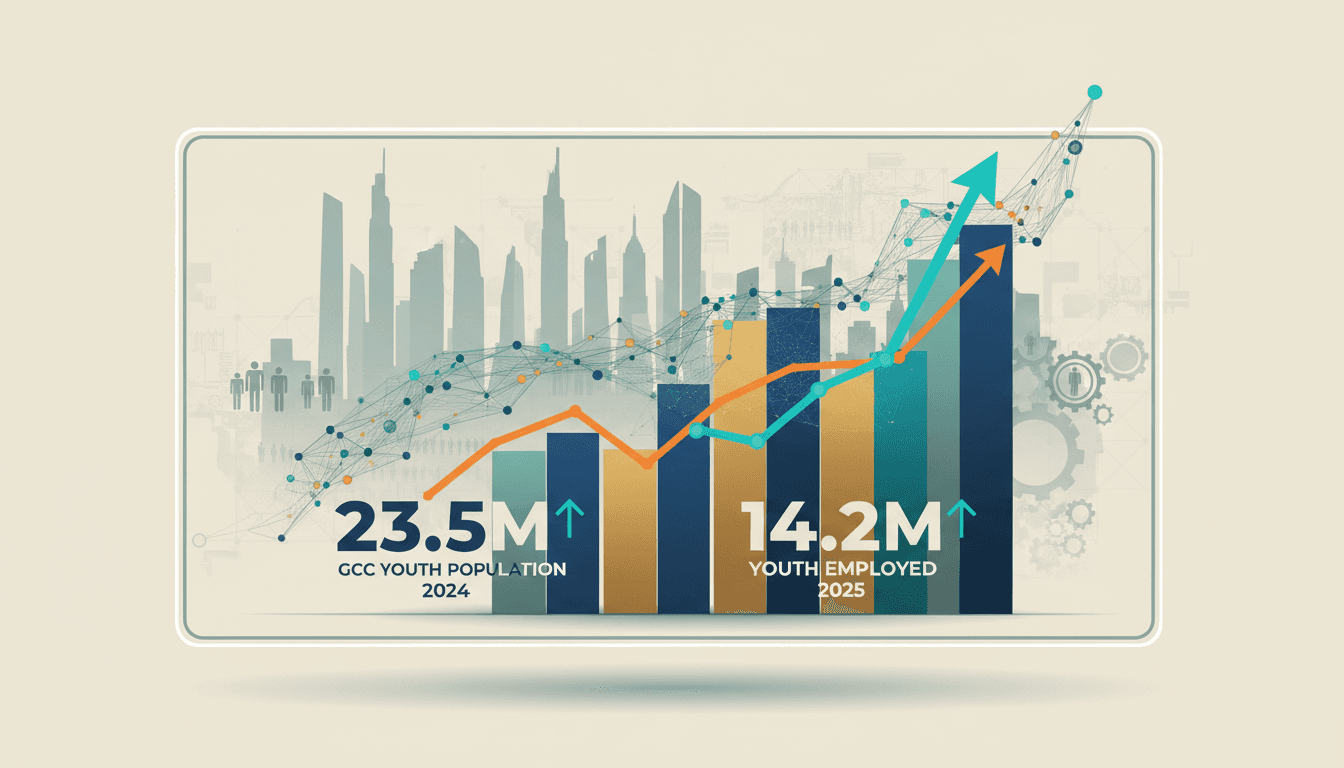
The youth population in the Gulf Cooperation Council countries has reached 23.5 million in 2024, accounting for 38.2% of the total population. This demographic shift is accompanied by significant employment growth, with 14.2 million young people expected to be employed in 2025. The rise in workforce participation reflects a positive trend in educational integration and job readiness among the youth.
This increase in employment is crucial as it indicates a growing recognition of the youth as key contributors to the economy. The GCC countries are witnessing a transformation in their labor market dynamics, driven by the aspirations and capabilities of their younger generations.
The Context
The youth demographic is a vital segment of the GCC population, with males constituting 64.5% and females 35.5%. Although the proportion of youth in the overall population has slightly declined from 38.9% in 2010 to 38.2% in 2024, the absolute number of young people continues to rise. This demographic shift presents both challenges and opportunities for the region's economic landscape.
As the youth population is projected to grow to 28.6 million by 2050, GCC countries must focus on creating sustainable opportunities to harness this demographic's potential. The decreasing NEET (Not in Education, Employment, or Training) rate from 20.1% in 2010 to 15.7% in 2024 further emphasizes the importance of educational integration in preparing young people for the workforce.
Takeaway
The increasing youth population and their rising workforce participation highlight the critical need for GCC countries to invest in education and employment opportunities. As the region adapts to these demographic changes, monitoring trends in youth employment and educational integration will be essential. Policymakers should prioritize initiatives that foster innovation and entrepreneurship among young people to ensure their contributions to economic growth.
Looking ahead, the implications of these demographic shifts on economic policies will be significant. Stakeholders must remain vigilant in addressing the evolving needs of the youth to capitalize on their potential for sustainable development.
Business and economy coverage focused on Dubai, the UAE, Saudi Arabia, and the wider Middle East.
"Arabian Business is a well-known regional business outlet with strong focus on Gulf markets, leadership, and investment stories."
— A47 Editor
GCC youth population reaches 23.5m as workforce participation rises
The Gulf Cooperation Council (GCC) has reported that its youth population reached 23.5 million in 2024, with youth employment rising to 14.2 million by 2025, according to data from GCC-Stat. This demographic represents approximately 38.2% of the tota...
Arabic-language economic and business reporting with strong UAE market relevance.
"Emarat Al Youm business coverage often centers UAE property, banking, consumer issues, and economic policy."
— A47 Editor
المركز الإحصائي الخليجي: 23.5 مليون شاب بدول مجلس التعاون يشكلون 38.2% من سكانها المركز الإحصائي الخليجي: 23.5 مليون شاب بدول مجلس التعاون يشكلون 38.2% من سكانها
The Gulf Statistical Center reported that the total number of youth in the Gulf Cooperation Council (GCC) countries is 23.5 million, representing 38.2% of the total population in these nations. This data highlights the significant demographic presenc...
International news coverage curated for readers in the UAE and Gulf region.
"Emirates 24|7 world coverage presents global developments through a UAE-facing and Gulf-relevant editorial lens."
— A47 Editor
GCC youth population exceeds 23.5 million, representing 38.2% of total population GCC youth population exceeds 23.5 million, representing 38.2% of total population
The GCC Statistical Centre reported that the youth population in GCC countries reached approximately 23.5 million in 2024, accounting for 38.2% of the total population, with a notable gender disparity as 64.5% are males and 35.5% are females.
UAE-based newspaper covering Gulf politics, society, and international developments.
"Gulf News is one of the UAE’s most prominent English-language publications."
— A47 Editor
GCC youth population stands at 23.5 million, report finds
A recent report indicates that the youth population in the Gulf Cooperation Council (GCC) stands at 23.5 million, highlighting the significant demographic presence of young individuals in the region. This statistic underscores the potential for econo...
A curated Gulf News feed featuring major stories across news, business, opinion, and lifestyle.
"Gulf News is a major UAE newspaper whose featured stories feed reflects a broad editorial mix shaped for a Gulf audience."
— A47 Editor
GCC youth population stands at 23.5 million, report finds
A recent report indicates that the youth population in the Gulf Cooperation Council (GCC) stands at 23.5 million, highlighting the significant demographic presence of young individuals in the region. This statistic underscores the potential for econo...