
U.S. and Iran escalate military tensions in Strait of Hormuz
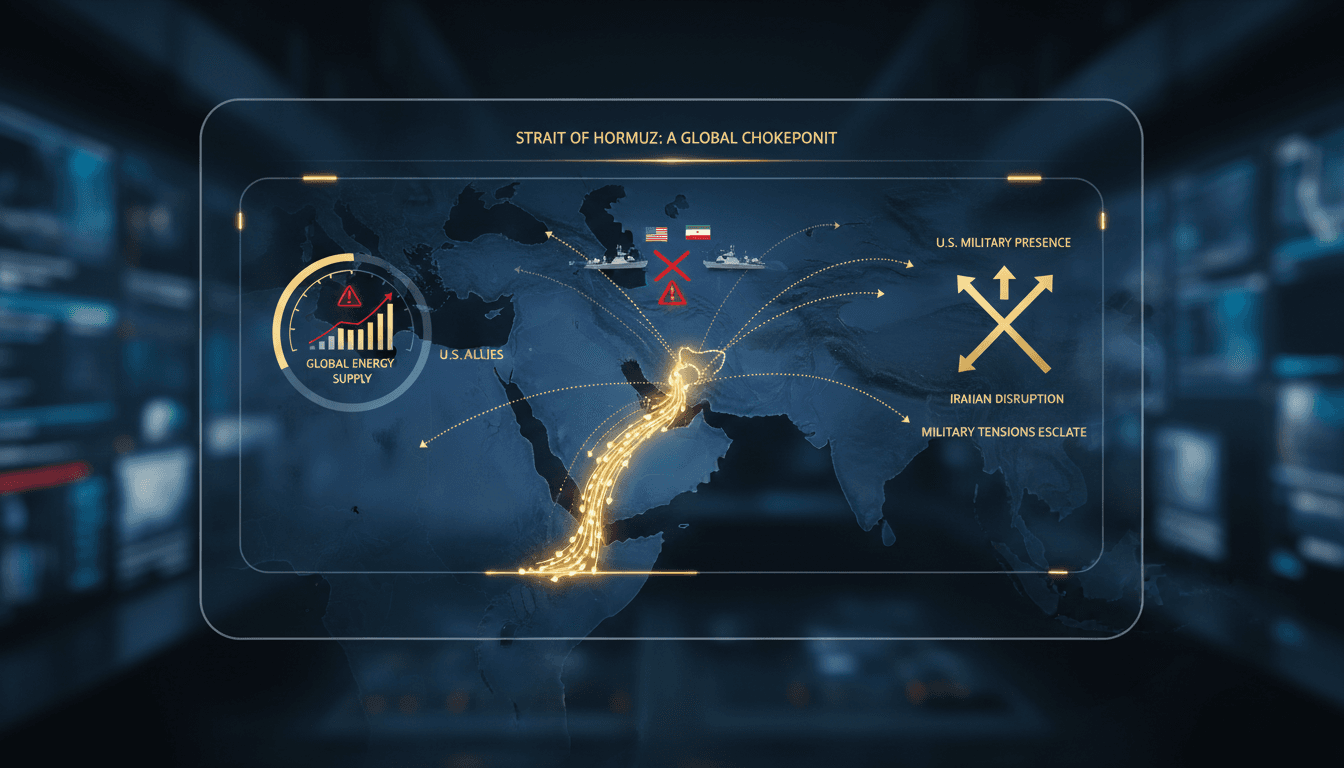
Here's what it means for you.
The escalating military tensions between the U.S. and Iran in the Strait of Hormuz pose significant risks to global energy markets and maritime security. With approximately 20% of the world's oil supply passing through this critical chokepoint, any disruption could lead to increased prices and volatility in energy markets. Policymakers and businesses must remain vigilant as the situation evolves, as it could impact supply chains and economic stability. As both nations engage in military posturing, the potential for miscalculation remains high, which could further complicate diplomatic efforts. Stakeholders should prepare for a range of scenarios, from renewed negotiations to heightened military confrontations.
What happened
The U.S. and Iran are currently experiencing heightened tensions that threaten maritime security in the Strait of Hormuz. This situation has escalated due to significant military movements and strategic threats from both nations. The U.S. is increasing its military presence in the region to secure vital maritime routes, while Iran is employing calculated tactics to disrupt global energy supplies.
Recent reports indicate a rise in military activity, with the U.S. conducting strikes targeting Iranian capabilities linked to maritime threats. This standoff has drawn international attention, prompting calls for safe passage in the region, particularly from China.
The Context
The Strait of Hormuz is a critical chokepoint for global oil transportation, making the current tensions particularly concerning for international stakeholders. The U.S. aims to pressure Iran into stricter negotiations while ensuring the safety of maritime routes. In response, Iran is using calculated escalation tactics to assert its influence and demonstrate its capability to disrupt energy supplies.
China has publicly urged both nations to prioritize safe navigation through the Strait, highlighting the global stakes involved in this conflict. The situation is further complicated by the ongoing strategic standoff, which could have far-reaching implications for regional stability and international energy markets.
Takeaway
The ongoing military and diplomatic maneuvers suggest a precarious balance that could either lead to renewed negotiations or further escalation. Monitoring U.S. military deployments in the region will be crucial for understanding the potential for increased confrontation. Additionally, diplomatic efforts from regional and international players may play a significant role in de-escalating tensions.
As the situation develops, stakeholders should remain alert to the implications for global energy markets and regional stability. The likelihood of continued military pressure suggests that while a full-scale conflict may be avoided, the potential for miscalculation remains high.
Arabic-language reporting focused on domestic developments in Saudi Arabia.
"Okaz is a mainstream Saudi newspaper that often reflects domestic priorities and official-facing coverage."
— A47 Editor
معادلة جديدة لضمان أمن الملاحة
The current escalation between the United States and Iran reflects a shift from mutual deterrence to a phase of testing wills, although it does not necessarily indicate an imminent full-scale war. U.S. military movements and increased naval presence,...
Pan-Arab news coverage spanning politics, business, sports, and regional affairs.
"Asharq Al-Awsat reflects a broad Arab editorial perspective with strong attention to regional geopolitics."
— A47 Editor
مصدَّات السعودية السيادية تُحيِّد «صدمات الممرات»
The ongoing confrontation between the United States and Iran has escalated tensions in the region, leading to the closure of the Strait of Hormuz and a surge in oil and shipping prices. This situation marks one of the most intense waves of conflict i...
Pan-Arab news coverage spanning politics, business, sports, and regional affairs.
"Asharq Al-Awsat reflects a broad Arab editorial perspective with strong attention to regional geopolitics."
— A47 Editor
الصين تحض أميركا وإيران على إعادة المرور الآمن عبر «هرمز»
China has called on the United States and Iran to ensure safe passage through the Strait of Hormuz amid escalating tensions between the two nations regarding its management. This appeal highlights the ongoing geopolitical challenges in the region, pa...