
Increase in Ship Traffic Through Strait of Hormuz Amid Ongoing U.S.-Iran Tensions
Here's what it means for you.
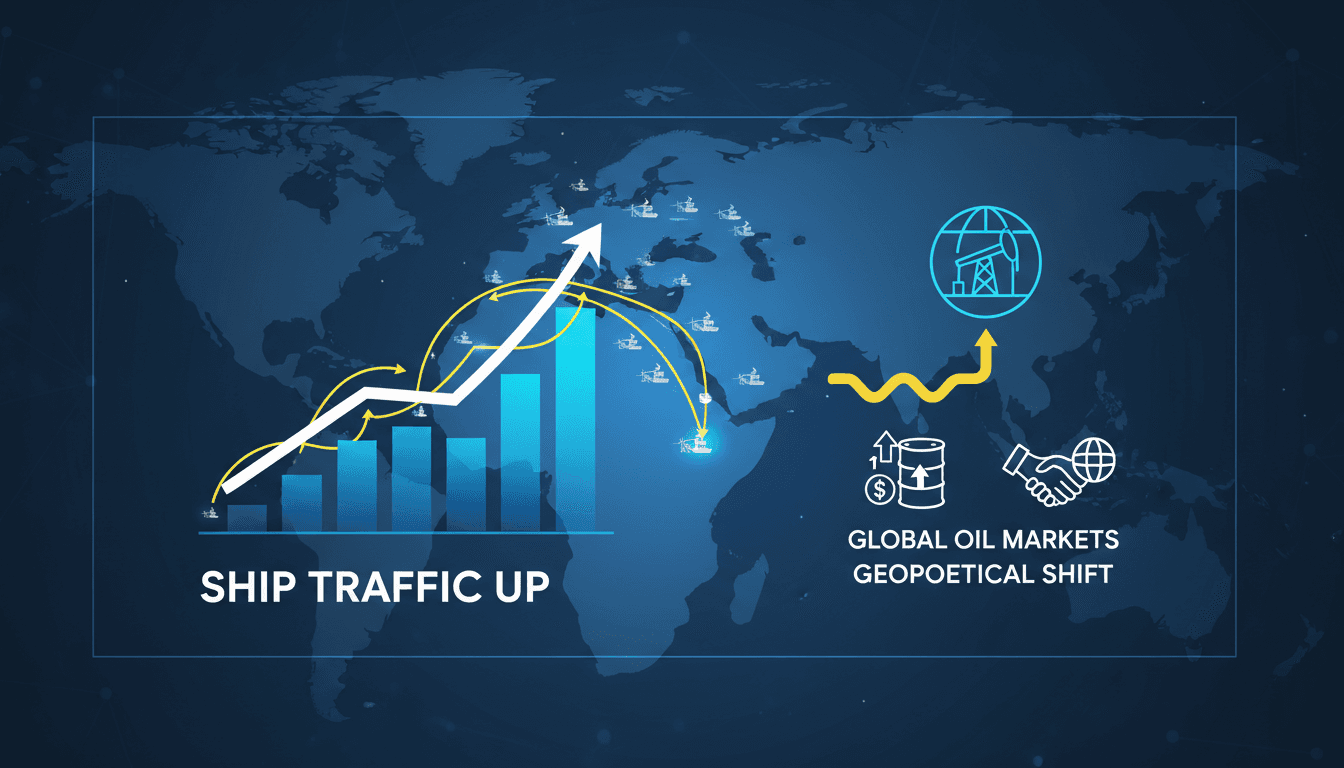
The recent increase in ship traffic through the Strait of Hormuz could indicate a shift in the geopolitical landscape, particularly regarding U.S.-Iran relations. As oil movement rises, market participants should prepare for potential fluctuations in global oil prices. This trend may also reflect a growing resilience in oil trade despite ongoing tensions, which could have broader implications for energy policy and security in the region.
What happened
U.S. Energy Secretary Chris Wright announced a significant increase in ship traffic through the Strait of Hormuz. This rise is occurring despite the ongoing geopolitical tensions between the U.S. and Iran, which have persisted for over 100 days. Wright's comments suggest that oil movement through the strait is expected to continue to rise as efforts to resolve the conflict persist.
Wright clarified that he is not aware of any U.S. withdrawal of oil from Iran, further emphasizing the resilience of oil trade in the region. The Strait of Hormuz remains a critical chokepoint for global oil shipments, making this uptick in traffic particularly noteworthy.
The Context
The Strait of Hormuz is a vital artery for oil transport, with a significant portion of the world's oil supply passing through it. The ongoing conflict between the U.S. and Iran has created a complex environment for oil trade, impacting global markets and geopolitical stability. Wright's optimistic outlook on future oil flow suggests a potential easing of tensions, which could benefit stakeholders in the energy sector.
As negotiations continue, the situation in the Strait of Hormuz will be closely monitored. The dynamics of U.S.-Iran relations will play a crucial role in shaping the future of oil trade and market stability in the region.
Takeaway
The increase in ship traffic through the Strait of Hormuz may signal a potential easing of tensions in the region, which could have significant implications for global oil markets. Stakeholders should keep an eye on developments in U.S.-Iran negotiations, as any shifts could impact oil prices and trade stability. The resilience of oil movement in the face of geopolitical challenges highlights the importance of this critical chokepoint for energy security.
As the situation evolves, market participants should remain vigilant for changes that could affect oil supply and pricing dynamics.
Arabic-language coverage of international news and geopolitics.
"RT Arabic is a Russian state-funded outlet often criticized for promoting Kremlin-aligned narratives."
— A47 Editor
وزير الطاقة الأمريكي: لا علم لدي بسحب الولايات المتحدة نفطا من إيران
During a congressional hearing on Wednesday, U.S. Energy Secretary Chris Wright stated that he is not aware of any actions taken by the United States to withdraw millions of barrels of oil from Iran. This statement comes amid ongoing discussions abou...
Capitol Hill news, legislation, and policy insight.
"The Hill specializes in U.S. politics and policy, with a focus on Capitol Hill developments and a reputation for insider reporting."
— A47 Editor
Wright predicts more oil will move through Hormuz
Energy Secretary Chris Wright announced that the volume of oil passing through the Strait of Hormuz is expected to increase as the U.S. and Iran work towards resolving their ongoing conflict. This prediction comes amidst ongoing tensions that have af...
Global business headlines with AI angles.
"General business outlet that frequently covers AI."
— A47 Editor
Energy Secretary Says Traffic Through Strait Of Hormuz Is Rising 'Very Meaningfully' Despite Lack Of Deal
Energy Secretary Chris Wright has reported a significant increase in traffic through the Strait of Hormuz, indicating a recovery in shipping activity despite the absence of a formal agreement with Iran. This strait is a critical maritime route for gl...
Regional and international reporting focused on Middle Eastern politics, diplomacy, and economics.
"Asharq Al-Awsat is a Saudi-owned international newspaper reflecting mainstream Gulf political perspectives."
— A47 Editor
US Energy Secretary Says Ship Traffic Through Strait of Hormuz Rising 'Very Meaningfully'
The US Energy Secretary has reported a significant increase in ship traffic through the Strait of Hormuz, indicating a recovery in maritime activity in this crucial waterway. This uptick in traffic follows a period of heightened geopolitical tensions...
Macro commentary, policy analysis, growth/inflation themes, and global outlooks.
"Contextual macro coverage that complements day-to-day market headlines."
— A47 Editor
Ship traffic through Strait of Hormuz is rising, Wright says
Ship traffic through the Strait of Hormuz is experiencing an increase, as reported by Wright, indicating a shift in maritime activity in this critical waterway. This rise comes amidst fluctuating conditions, including recent reports of both increased...