
US and Iran nearing peace agreement amid market volatility
Here's what it means for you.
The potential peace agreement between the U.S. and Iran could mark a significant turning point in international relations, particularly affecting energy markets. As negotiations unfold, market participants are closely monitoring oil price fluctuations, which are heavily influenced by the rhetoric surrounding the talks. A successful deal could stabilize the region and provide a clearer path for future diplomatic engagements. Investors and policymakers alike should prepare for a period of uncertainty as the details of the agreement remain undisclosed. The implications of this deal could resonate beyond the immediate parties involved, impacting global economic stability.
What happened
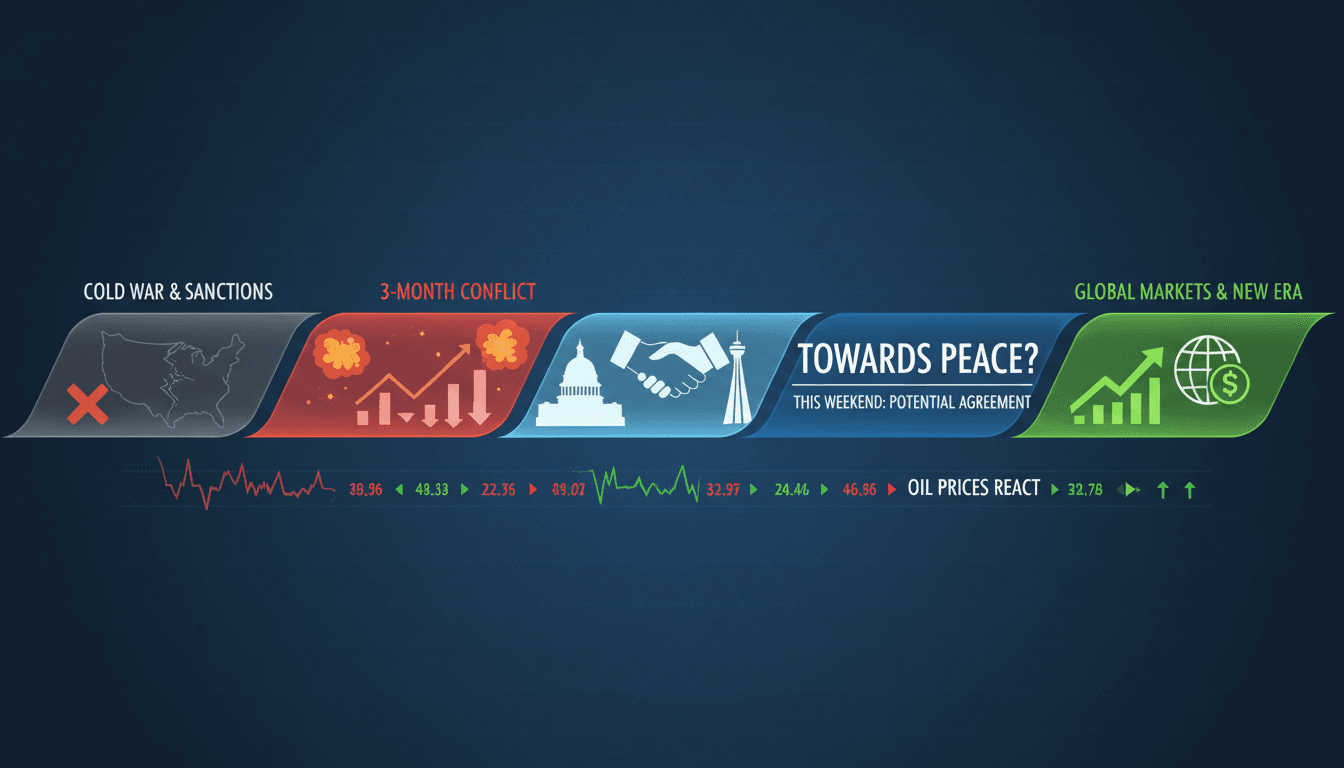
The U.S. and Iran are reportedly on the verge of finalizing a peace agreement, as indicated by President Trump. This development follows a three-month period of heightened tensions and conflict between the two nations. While the president has suggested that a signing could occur as soon as this weekend, the specifics of the agreement have yet to be revealed.
Market reactions have been mixed, with oil prices experiencing volatility in response to the ongoing negotiations. The lack of clarity regarding the terms of the proposed deal has left many stakeholders uncertain about its potential impact.
The Context
This potential agreement comes in the wake of the U.S. abandoning the 2015 nuclear deal, which has shaped the current diplomatic landscape. The original deal was a significant milestone in U.S.-Iran relations, and any new agreement will likely be scrutinized for its alignment with the previous framework. The ongoing negotiations are critical not only for the two nations but also for global markets that are sensitive to geopolitical developments.
As the situation evolves, the international community is watching closely, particularly given the implications for oil prices and regional stability. The outcome of these discussions could redefine U.S.-Iran relations and influence broader geopolitical dynamics.
Takeaway
In the coming days, the focus will be on the details of the peace agreement once it is signed. Observers will be keen to gauge reactions from both Iranian officials and U.S. lawmakers, as these responses could shape the future of the agreement. The potential for a new diplomatic chapter between the U.S. and Iran presents both opportunities and challenges for international relations.
Market participants should remain vigilant as the situation develops, as the implications of this agreement could have lasting effects on economic stability in the region and beyond.
Regional coverage and analysis focused on politics, diplomacy, and business across the Middle East.
"Al-Monitor is known for analytical reporting on Middle East politics and policy developments."
— A47 Editor
Factbox-Main provisions of the 2015 Iran nuclear deal abandoned by Trump
The U.S. is reportedly nearing a peace deal with Iran, which could potentially conclude the ongoing conflict that has persisted for three months. This development follows President Trump's announcement of a possible agreement that may be signed in Eu...
International coverage from The Guardian's global desks.
"The Guardian is known for its progressive editorial stance and in-depth analysis."
— A47 Editor
Chaotic talks on a US-Iran deal continue on the Trump rollercoaster
U.S. President Donald Trump has announced that the United States and Iran are potentially close to finalizing a peace deal, which could be signed in Europe soon. This announcement follows the cancellation of planned military strikes against Iran, ami...
Capitol Hill news, legislation, and policy insight.
"The Hill specializes in U.S. politics and policy, with a focus on Capitol Hill developments and a reputation for insider reporting."
— A47 Editor
Knives come out for emerging Iran deal: 5 things to know
President Trump announced that a potential peace deal with Iran could be signed soon, prompting criticism from Iran hawks who argue that any agreement would diminish U.S. leverage. Miad Maleki, a former Treasury Department official, expressed concern...