
Oil flow through the Strait of Hormuz normalizes amid Iranian threats
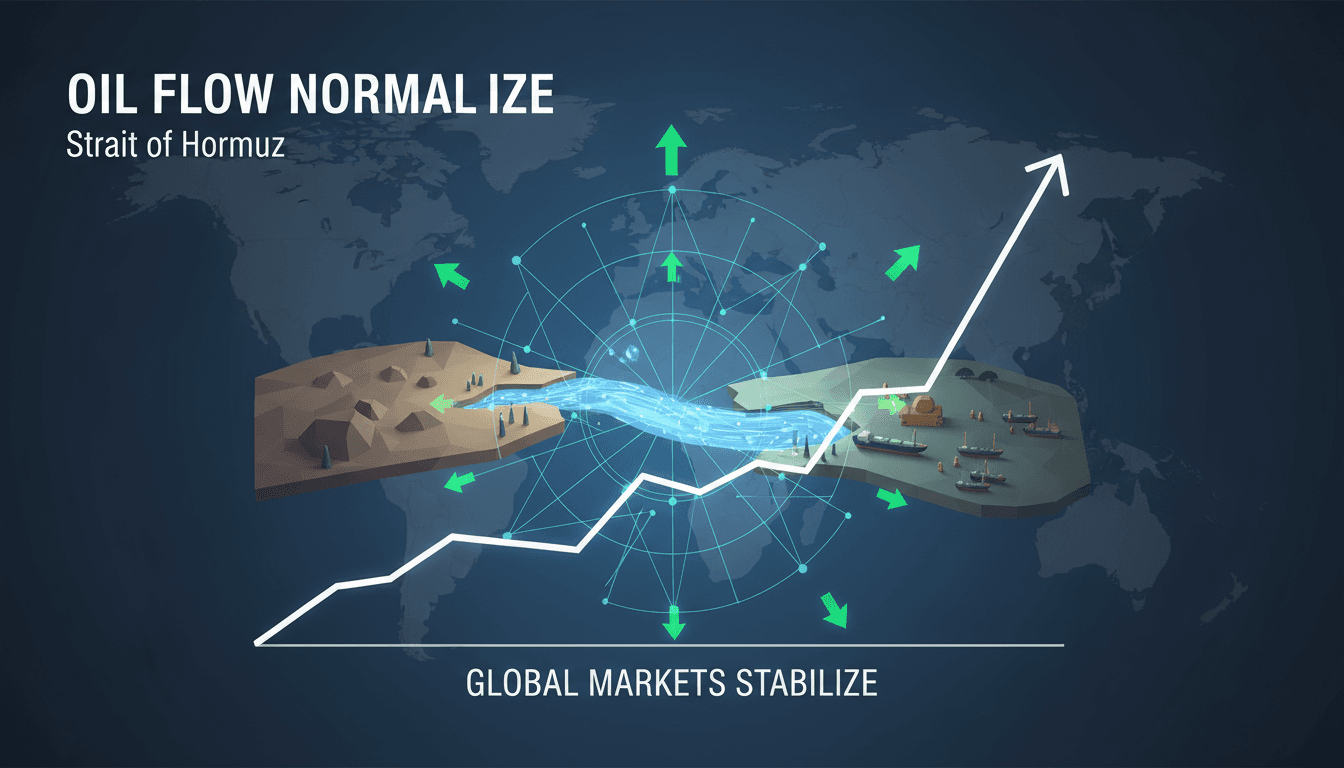
Here's what it means for you.
The normalization of oil flow through the Strait of Hormuz is a positive development for global markets, particularly in the energy sector. This situation alleviates immediate concerns over supply disruptions that could have led to price spikes. However, the underlying geopolitical tensions remain a critical factor that could influence future oil prices and availability. As the international community monitors the situation, stakeholders must remain vigilant regarding potential escalations that could arise from ongoing conflicts in the region. The delicate balance of power in the Middle East continues to play a significant role in shaping global energy dynamics.
What happened
Energy Secretary Chris Wright announced that oil flow through the Strait of Hormuz is returning to normal levels following recent tensions. This announcement comes in the wake of Iranian threats to close the waterway due to Israeli military actions in Lebanon. On the day prior to the announcement, 67 ships successfully transited the strait, indicating a return to operational normalcy.
The Strait of Hormuz is a critical passage for global oil shipments, making its stability essential for the international energy market. The normalization of oil flow suggests that immediate fears of disruption may be easing, although the situation remains fluid.
The Context
The Strait of Hormuz is vital for approximately 20% of the world's oil supply, making it a focal point for geopolitical tensions. Iran's threats to close the waterway were a direct response to Israeli military actions in Lebanon, highlighting the interconnected nature of regional conflicts. The recent announcement by Energy Secretary Chris Wright underscores the importance of monitoring these developments closely.
As tensions in the Middle East continue to evolve, the implications for global oil supply and pricing dynamics are significant. Stakeholders, including governments and energy companies, must navigate this complex landscape to mitigate risks associated with potential disruptions.
Takeaway
Looking ahead, continued monitoring of geopolitical developments is essential as they may impact oil supply and prices. Potential Iranian responses to ongoing Israeli actions could further complicate the situation, leading to fluctuations in global oil prices. The international community will be watching closely for any further escalations that could disrupt oil supply and impact global markets.
As the situation develops, stakeholders should prepare for varying scenarios that could arise from the ongoing tensions in the region. The balance of power in the Middle East remains fragile, and its influence on global energy markets cannot be underestimated.
Conservative-leaning political and national coverage.
"The Washington Times is a conservative-leaning newspaper known for its political coverage and advocacy of right-of-center viewpoints."
— A47 Editor
Trump's energy secretary says oil flow will be 'back towards normal'
Energy Secretary Chris Wright announced that the flow of oil through the Strait of Hormuz is returning to normal levels after a period of uncertainty caused by Iranian threats to close the waterway in response to Israeli airstrikes on Lebanon.
Capitol Hill news, legislation, and policy insight.
"The Hill specializes in U.S. politics and policy, with a focus on Capitol Hill developments and a reputation for insider reporting."
— A47 Editor
Strait of Hormuz oil flow 'back towards normal': Energy secretary
Energy Secretary Chris Wright announced that oil flow through the Strait of Hormuz is returning to normal levels, following a brief period of uncertainty after Iranian officials indicated plans to close the waterway due to Israeli airstrikes in Leban...
Corporate leadership, finance, technology, and market trends.
"Fortune covers financial trends, leadership, and innovation with a pragmatic editorial approach."
— A47 Editor
The U.S. and Iran have signed a peace deal. How long will it take for oil flows in Asia to return to normal?
The United States and Iran have signed a peace deal aimed at reopening the Strait of Hormuz, a critical maritime route for global oil shipments. This agreement follows a prolonged period of conflict and is expected to facilitate the resumption of oil...