
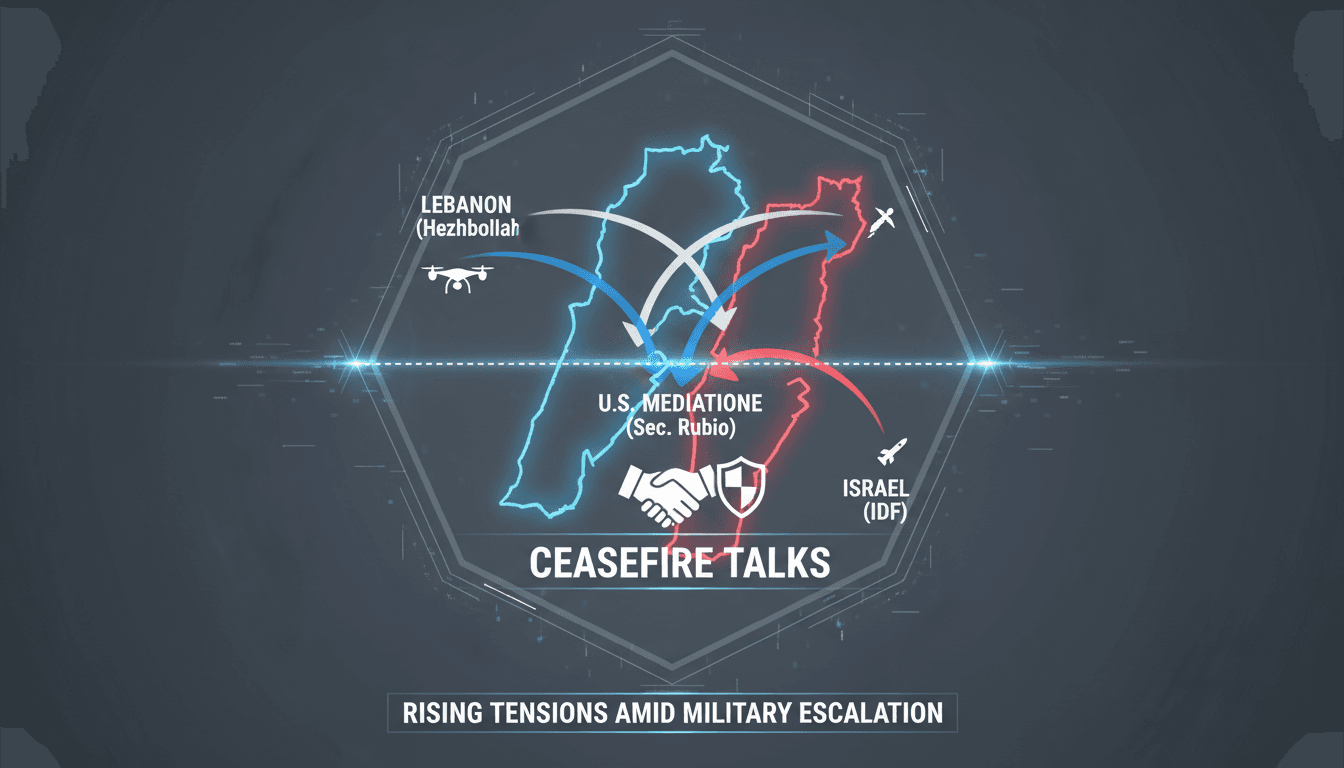
US mediates ceasefire talks between Lebanon and Israel amid rising tensions
Here's what it means for you.
The U.S. is stepping in to mediate a ceasefire between Lebanon and Israel, a move that could reshape regional dynamics and influence U.S.-Lebanon relations. As tensions escalate, particularly due to Hezbollah's actions, the outcome of these negotiations is critical for maintaining stability in the Middle East. Stakeholders in both nations are closely monitoring developments, as the situation could have far-reaching implications for security and diplomatic relations in the region.
What happened
The U.S. has proposed a ceasefire plan that calls for Hezbollah to cease its attacks on Israel, while Israel would refrain from escalating military actions in Lebanon. Secretary of State Marco Rubio has engaged with both Lebanese President Joseph Aoun and Israeli Prime Minister Benjamin Netanyahu to facilitate these discussions. The negotiations are underscored by the involvement of six officers from the Lebanese military delegation, highlighting the seriousness of the talks.
As military actions intensify, with Israeli troops reportedly crossing the Litani River into southern Lebanon, the urgency for a ceasefire has become paramount. The U.S. holds Hezbollah accountable for the ongoing conflict and is advocating for an immediate halt to hostilities.
The Context
Lebanese President Joseph Aoun has stressed the necessity of a ceasefire as a prerequisite for any further negotiations. The backdrop of these discussions is marked by escalating military actions, particularly from Hezbollah, which has prompted international concern. The U.S. is actively working to mediate between the two nations, recognizing that the outcome of these talks could significantly impact regional stability.
The timing of these negotiations is critical, as both sides are currently engaged in heightened military activity. The U.S. aims to stabilize the situation, which could have lasting effects on the geopolitical landscape in the Middle East.
Takeaway
The success of the ceasefire negotiations will be crucial in determining the immediate future of Lebanon-Israel relations. Observers should monitor developments closely, as any potential military escalations from either side could derail the talks. The outcome will not only influence the current conflict but also shape the broader geopolitical dynamics in the region.
As the situation evolves, the international community will be watching for signs of progress or setbacks in the negotiations. The implications of these discussions extend beyond the immediate conflict, potentially affecting U.S. interests and alliances in the Middle East.
Regional coverage and analysis focused on politics, diplomacy, and business across the Middle East.
"Al-Monitor is known for analytical reporting on Middle East politics and policy developments."
— A47 Editor
US pushes Lebanon and Israel on new ceasefire plan, official says
U.S. Secretary of State Marco Rubio has engaged in discussions with Lebanese President Joseph Aoun and Israeli Prime Minister Benjamin Netanyahu regarding a proposed ceasefire plan aimed at reducing hostilities between Israel and Hezbollah. The U.S. ...
Jordanian news and regional updates.
"Roya News is a Jordanian outlet focused on breaking news and local affairs."
— A47 Editor
الخارجية الأمريكية: روبيو يحمّل حزب الله مسؤولية القتال ويدعو لوقف فوري للهجمات
The U.S. State Department, represented by Rubio, has placed full responsibility for the ongoing fighting on Hezbollah, calling for an immediate cessation of attacks. This statement underscores the U.S. government's stance on the conflict and its impl...
Regional and international reporting focused on Middle Eastern politics, diplomacy, and economics.
"Asharq Al-Awsat is a Saudi-owned international newspaper reflecting mainstream Gulf political perspectives."
— A47 Editor
Aoun Tells Rubio That Israel Truce Crucial to Talks Progress as Netanyahu Says Troops Crossed Litani
Lebanese President Joseph Aoun emphasized to U.S. Senator Marco Rubio that a truce with Israel is essential for advancing negotiations, as Israeli Prime Minister Benjamin Netanyahu confirmed that troops have crossed the Litani River into Lebanon. Thi...
Arabic-language coverage of political affairs and current events.
"Okaz political coverage typically follows mainstream Saudi framing on national and regional affairs."
— A47 Editor
نتنياهو: قواتنا عبرت نهر الليطاني.. عون: وقف إطلاق النار المدخل للحل
Lebanese President Joseph Aoun and U.S. Secretary of State Marco Rubio discussed the current situation in Lebanon and the region during a phone call, emphasizing the need for a ceasefire as a crucial step towards resolving ongoing issues. The Lebanes...