
Germany finalizes deal with US for Tomahawk cruise missiles
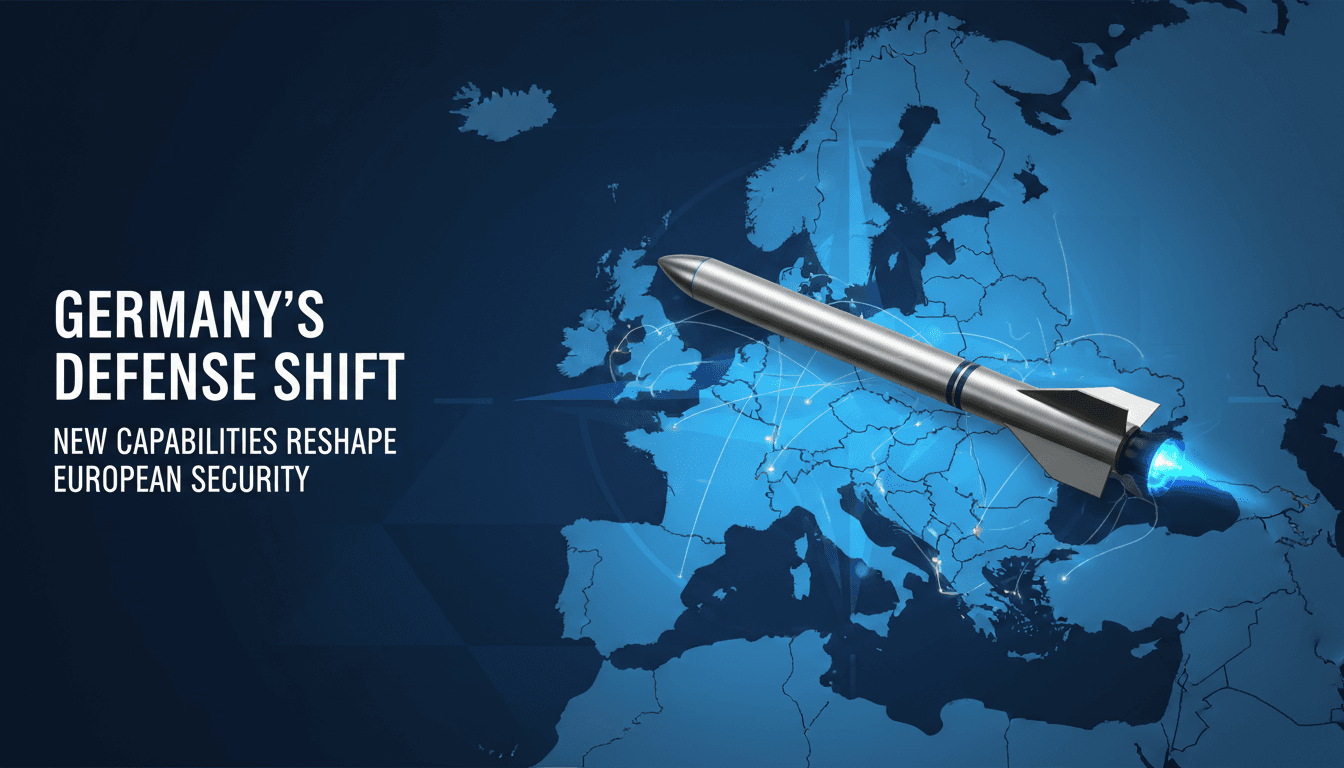
Here's what it means for you.
Germany's acquisition of Tomahawk cruise missiles from the United States marks a significant shift in European defense strategy, emphasizing self-reliance amid evolving security challenges. This move could influence NATO dynamics and reshape defense spending priorities across the continent. As Germany enhances its military capabilities, other European nations may follow suit, potentially leading to a more autonomous defense posture in the region.
What happened
Germany has finalized a deal with the United States to purchase and station Tomahawk cruise missiles on its territory. This agreement was announced by Chancellor Friedrich Merz during a NATO summit held in Ankara on July 9, 2026. The decision reflects Germany's commitment to bolstering its long-range military capabilities, moving away from reliance on U.S. military deployments.
The deal signifies a pivotal step for Germany as it seeks to establish its own long-range strike capability. This development comes amid pressures on U.S. missile stockpiles and a broader push for European defense independence. The agreement underscores ongoing military collaborations within NATO, highlighting the changing dynamics of defense in Europe.
The Context
The decision to acquire Tomahawk missiles is part of a larger trend among European nations to enhance their defense capabilities in response to global security challenges. Germany's move away from dependence on U.S. military resources indicates a shift towards a more autonomous European defense posture. This agreement was reached during discussions at a NATO summit, emphasizing the importance of military collaboration among member states.
As European nations face increasing security threats, the implications of Germany's decision could resonate throughout NATO. The timing of this announcement reflects a growing urgency for European countries to bolster their military readiness. This shift may also influence how NATO allies prioritize their defense spending and military strategies moving forward.
Takeaway
Germany's acquisition of Tomahawk missiles could lead to significant changes in NATO dynamics and European defense strategies. As Germany enhances its military capabilities, it will be crucial to monitor developments in European defense industry initiatives and potential responses from other NATO allies. The implications of this deal may reshape alliances and influence defense spending priorities across the region.
In the coming months, stakeholders should watch for further announcements regarding military capabilities from other European nations. The evolving landscape of defense in Europe will likely prompt discussions on collaboration and resource allocation among NATO members.
Global markets, investing, and macroeconomics from a premier financial newsroom.
"Bloomberg is respected for in-depth financial reporting and data-driven analysis."
— A47 Editor
US Missile Stockpiles Under Pressure
Germany is set to purchase US Tomahawk missiles as part of its strategic shift towards enhancing its long-range military capabilities, amid ongoing discussions between the US and Europe regarding missile co-production. This move reflects Germany's co...
Conservative-leaning political and national coverage.
"The Washington Times is a conservative-leaning newspaper known for its political coverage and advocacy of right-of-center viewpoints."
— A47 Editor
Germany reaches deal with U.S. to buy long-range Tomahawk missiles, Merz says
Germany has finalized an agreement with the United States to acquire long-range Tomahawk cruise missiles, as announced by Chancellor Friedrich Merz. This deal marks a significant step in enhancing Germany's defense capabilities and reflects a strengt...
Regional coverage and analysis focused on politics, diplomacy, and business across the Middle East.
"Al-Monitor is known for analytical reporting on Middle East politics and policy developments."
— A47 Editor
Germany to buy US Tomahawks in shift towards own long-range capability
Germany has announced plans to purchase Tomahawk cruise missiles from the United States, marking a significant shift towards developing its own long-range strike capabilities. Chancellor Friedrich Merz confirmed the deal was finalized during a NATO s...